Emergency Scenarios, Latest News, Prepping Basics
5 Economic Threats in 2026 That Could Change Your Life in Malaysia — And What to Do About It Now


 Share this Article:

5 Economic Threats That Could Change Your Life in Malaysia — And What to Do About It Now
Five major economic and supply chain threats are building at the same time — and every Malaysian family will feel the pressure. Here is how to prepare calmly, gradually, and realistically before disruption arrives.
Inside This Guide
- How El Niño and fuel crises affect Malaysian households
- What rising food inflation really means for your budget
- How pandemics disrupt income and supply chains
- A realistic 6-month preparedness roadmap
- Budget-friendly actions any family can start today
The 5 Threats You Need to Understand
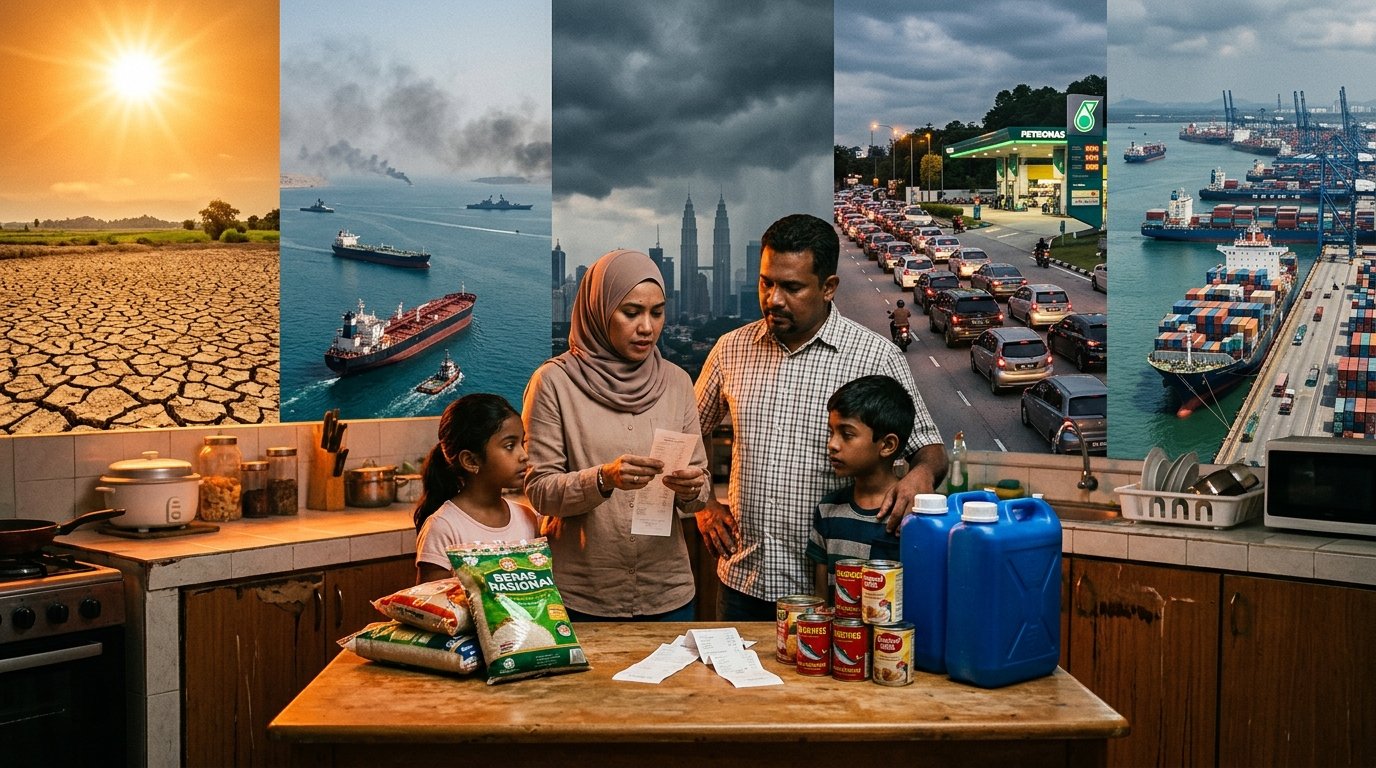
You think things are expensive now? The reality is that multiple economic pressures are building at the same time. Individually, each threat raises costs slowly. Together, they can reshape daily life for Malaysian families.
1. El Niño — Drought, Water Shortages, and Rising Food Prices
El Niño creates extended dry conditions across Malaysia. Agriculture suffers. Water reservoirs fall. Heat increases electricity consumption and strains infrastructure.
- Food prices can rise 12–18%
- Water rationing becomes more likely
- Air-conditioning costs increase sharply
- Fresh produce becomes harder to source consistently
Estimated household impact: +RM150–250 monthly increase in food, water, and electricity expenses.
2. Global Fuel Crisis
Conflict affecting Middle Eastern oil shipping routes can rapidly spike global crude prices. Malaysia still depends heavily on global fuel benchmarks despite domestic production.
- Petrol prices rise 25–40%
- Logistics costs affect all goods
- Electricity tariffs rise
- Cross-border commuters feel immediate pressure
3. Local Fuel Subsidy Rationalisation
Fuel subsidy reduction affects every household indirectly — even if you rarely drive. Delivery fees, food transport, ride-sharing, and logistics all become more expensive.
A RM0.50–1.00 increase per litre may seem small on paper. Across an entire household economy, it compounds into hundreds of ringgit monthly.
4. Food Inflation
Malaysia imports significant portions of its food supply. When shipping, fuel, or currency costs rise, food inflation follows quickly.
- Rice and cooking oil rise 20–35%
- Hawker meals become significantly more expensive
- Families spend a larger percentage of income on groceries
5. Future Pandemic or Major Outbreak
COVID-19 showed how fragile supply chains and income systems can become during a global health emergency.
- Movement restrictions disrupt income
- Medical expenses increase rapidly
- Imports and manufacturing slow down
- Border closures affect workers and businesses
Why Every Malaysian Family Feels This
| Group | How They Are Exposed |
|---|---|
| Urban Families | High living costs make inflation hit harder and faster. |
| Rural Families | Greater car dependency and weaker infrastructure access. |
| B40 & M40 | Higher percentage of income goes toward essentials. |
| Gig Workers | No stable employer safety net during disruptions. |
| Cross-Border Workers | Exposed to both Malaysian and foreign market pressures. |
| Small Businesses | Margins squeezed by rising operating costs. |
The Preparation Plan — Phase by Phase
Preparedness is not panic buying. It is gradual, practical, and affordable action taken consistently over time.
Audit and Stabilise
- Review your last 3 months of spending
- Start a separate emergency fund
- Build a 2-week food supply
- Store at least 20 litres of water
- Fix water leaks and reduce waste
Build Your First Layer
- Expand food and water storage to 1 month
- Reduce eating out
- Start growing herbs or vegetables
- Review insurance coverage
- Improve transport efficiency
Strengthen and Expand
- Build a 3-month food reserve
- Create a proper medical kit
- Buy power banks and backup lighting
- Build communication plans
- Increase emergency fund savings
Long-Term Resilience
- Target 3–6 months of emergency savings
- Expand food storage systems
- Build backup energy and water systems
- Create stronger community networks
- Reduce debt and improve financial resilience
Your Preparedness Snapshot
- Food: Can your household eat normally for 30 days without shopping?
- Water: Do you have emergency storage if rationing begins?
- Finances: How many months can you survive without income?
- Medical: Do you have basic medications and first aid supplies?
- Power: Can your household function during blackout periods?
The Difference Between Prepared and Unprepared Families
Preparedness does not eliminate hardship. It reduces panic, increases options, and gives families time to think clearly under pressure.
An unprepared family reacts emotionally and financially under pressure. A prepared family absorbs shocks gradually because systems were built beforehand.
Three Things You Can Do Today
- Check how many days of food your household actually has.
- Calculate how long your savings could support your family.
- Start building one small emergency system this week.
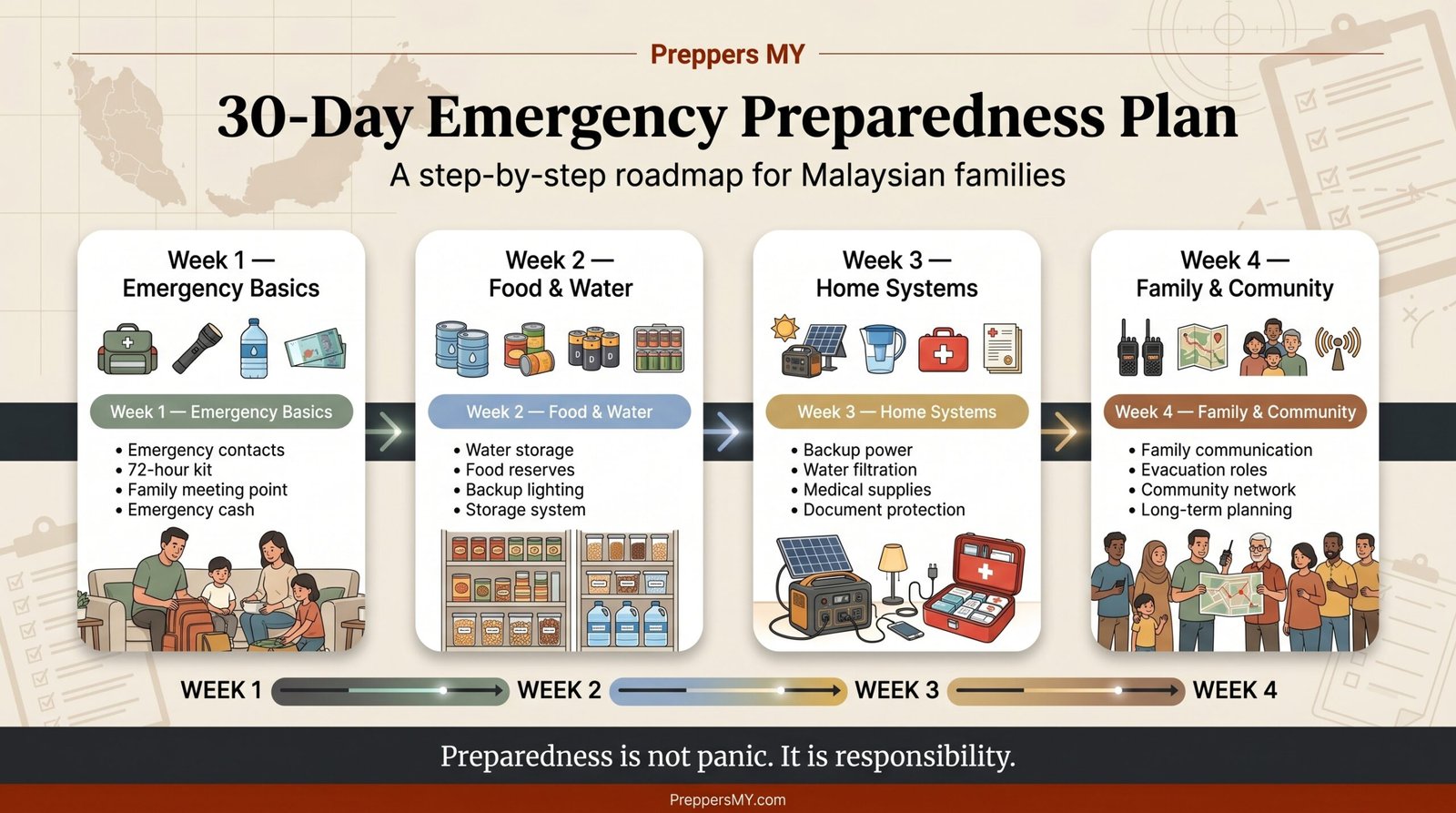
Start Your 30-Day Preparedness Plan
You do not need to prepare for everything overnight. Start with food, water, finances, and communication. Small steps today become resilience tomorrow.
Start Here
Preparedness is not fear. It is responsibility.
By Dr. Preppers, your emergency preparedness guide.
Presented by Preppers MY · www.preppersmy.com
Suggested Reads

Preparing for Tropical Diseases During Emergencies | Malaysian Family Guide
Reading Time: 4 minutes
Apr
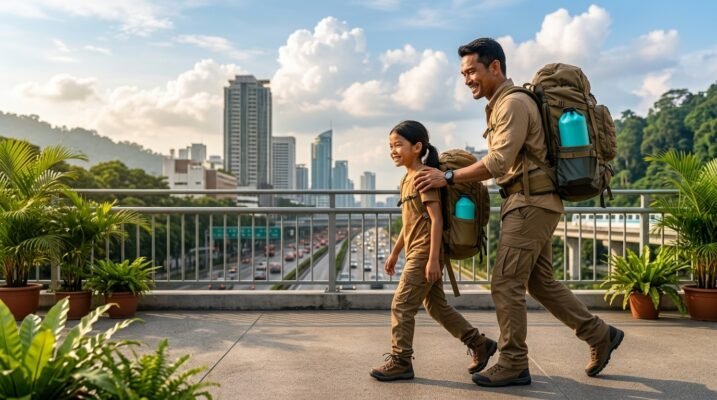
72-Hour Bug Out Bag for Malaysian Families | Tropical-Ready Evacuation Guide
Reading Time: 6 minutes
Apr

From Viral Videos to Community Awareness | Building Preparedness in Malaysia
Reading Time: 3 minutes
May
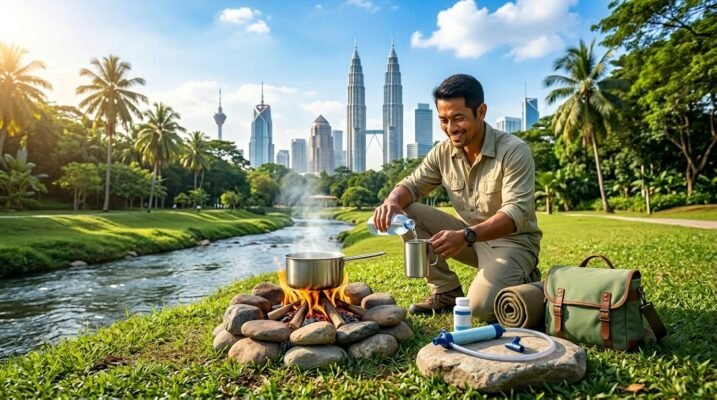
Water Purification for Tropical Climates | Safe Drinking Water Guide for Malaysia
Reading Time: 4 minutes
Apr
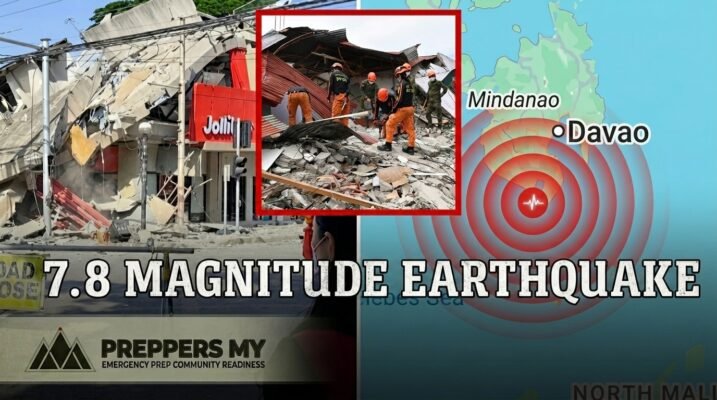
7.8 Earthquake Strikes Southern Philippines — What Malaysian Families Must Know Right Now
Reading Time: 4 minutes
Jun
South China Sea Geopolitical Crisis | How Malaysian Families Can Prepare
Reading Time: 5 minutes
Apr

Emergency Shelter Building in Tropical Rainforest | Malaysian Jungle Survival Guide
Reading Time: 5 minutes
Apr
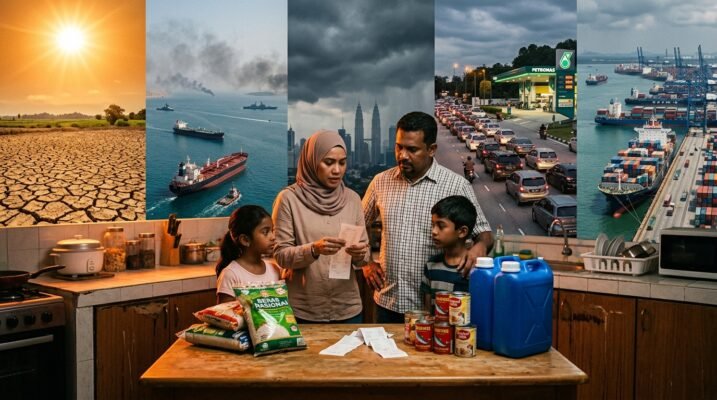
5 Economic Threats in 2026 That Could Change Your Life in Malaysia — And What to Do About It Now
Reading Time: 4 minutes
May

Water Filter Comparison for Malaysian Water Sources | Best Emergency Filters
Reading Time: 5 minutes
Apr
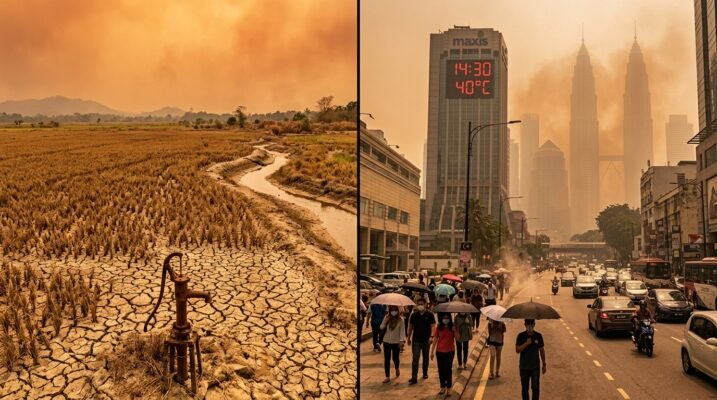
El Niño Is Coming Back — And This Time, It Could Be the Worst Malaysia Has Ever Seen
Reading Time: 5 minutes
May

Financial Preparedness for Malaysian Families | Cash, Inflation & Currency Protection
Reading Time: 5 minutes
Apr

Physical Fitness for Preppers | Tropical Climate Training for Malaysian Families
Reading Time: 5 minutes
Apr
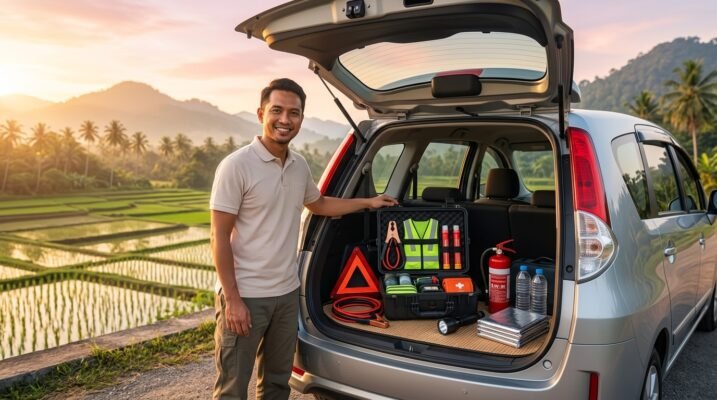
Car Emergency Kit for Malaysian Highways | Monsoon & Breakdown Preparedness
Reading Time: 4 minutes
Apr
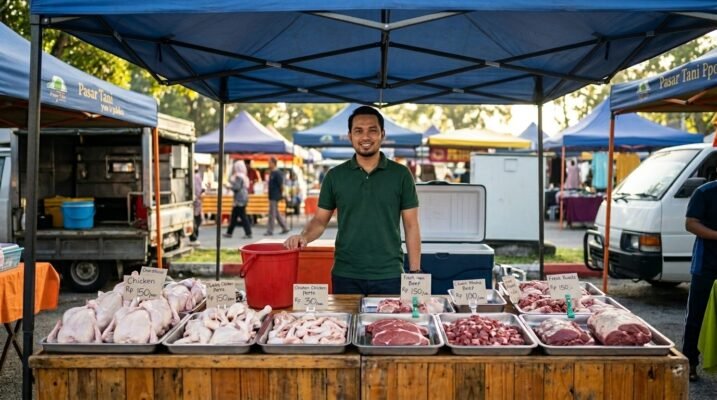
Local Food Security Starts Here | Strengthening Ipoh’s Prepping Community
Reading Time: 4 minutes
Apr

Nik Muhammad Hafiz: Building Malaysia’s Preparedness Movement | Preppers MY
Reading Time: 4 minutes
May

Family Evacuation Plans in Urban Malaysia | Routes, Meeting Points & Communication
Reading Time: 5 minutes
Apr

Blackout Ready: Why Every Malaysian Home Needs a Portable Power Station in 2026
Reading Time: 5 minutes
May
She Survived 14 Days Alone in the Jungle — Jaslinda’s Miracle Has a Lesson for Every Hiker
Reading Time: 6 minutes
Jun

Home Solar Installation for Malaysian Families | Energy Independence Guide
Reading Time: 5 minutes
Apr
From Classroom to Water Independence | Building a 6-Month Water Supply in Malacca
Reading Time: 5 minutes
Apr
Suggested Related Products