Emergency Scenarios, Latest News, Prepping Basics
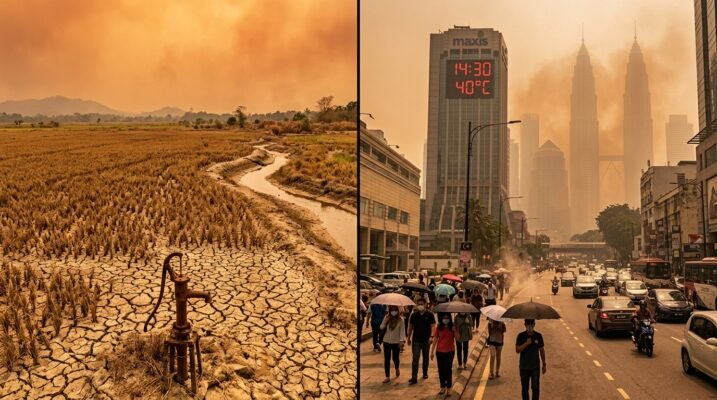
El Niño Is Coming Back — And This Time, It Could Be the Worst Malaysia Has Ever Seen


 Share this Article:

El Niño Is Coming Back — And This Time, It Could Be the Worst Malaysia Has Ever Seen
A powerful El Niño event may hit Malaysia in 2026–2027, bringing drought, water shortages, haze, food inflation, and dangerous heatwaves. Here’s what Malaysian families need to understand — and how to prepare before conditions worsen.
What This Article Covers
- Why scientists are warning about a potentially severe 2026 El Niño
- How previous El Niño events affected Malaysia
- The real-world impact on food, water, electricity, and health
- Why heatwaves and dengue outbreaks may worsen
- Practical step-by-step preparation plans for Malaysian families
Something Dangerous Is Building Quietly
Most Malaysians are still living normally. Offices are open. Supermarkets are stocked. Water flows from the tap. But thousands of kilometres away in the Pacific Ocean, scientists are watching the early signals of something that could significantly change daily life across Malaysia over the next 12–18 months.
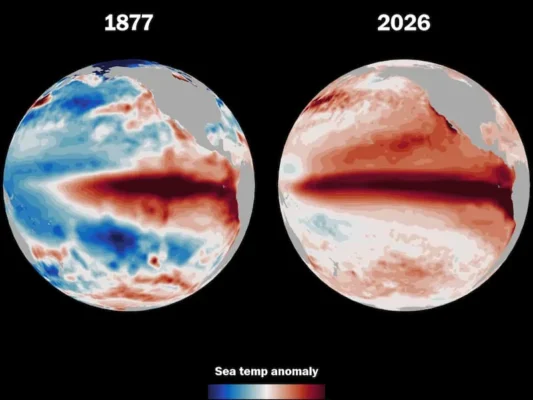
A strong El Niño event is forecast to form during 2026. Climate models from NOAA, WMO, and regional scientific institutions are increasingly converging toward the same conclusion: Southeast Asia may be heading into one of the most severe heat and drought cycles in modern history.
This matters because Malaysia is already vulnerable. Reservoirs are under stress. Food prices are rising. Electricity demand is increasing. And our urban systems depend heavily on stable water, fuel, and imported food supplies.
What Exactly Is El Niño?
El Niño is a large-scale climate pattern caused by warming sea surface temperatures in the Pacific Ocean. While it begins thousands of kilometres away, its effects spread across the entire planet through changes in atmospheric circulation.
For Malaysia and Southeast Asia, El Niño usually means:
- Less rainfall
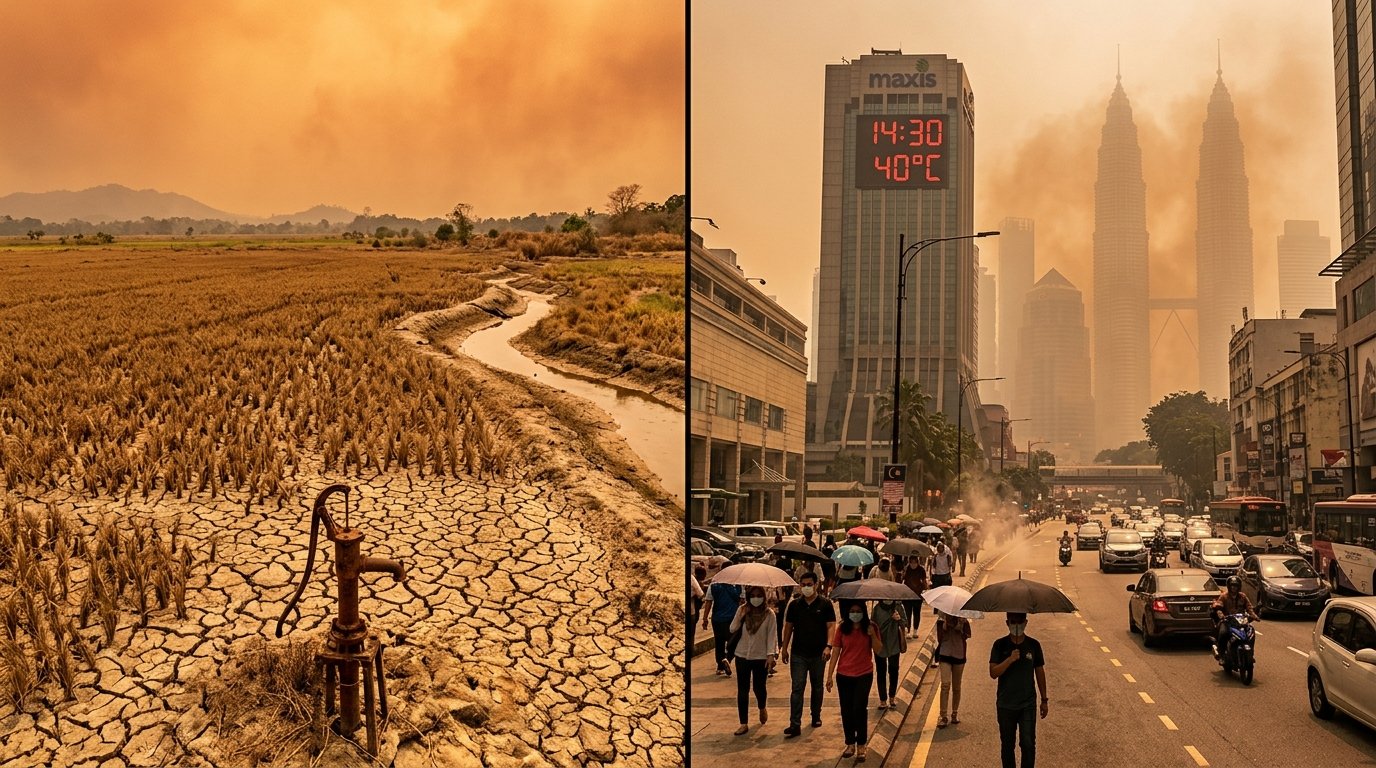
- Longer heatwaves
- Drier soil and vegetation
- Water shortages
- Increased haze and forest fire risk
- Reduced agricultural production
What makes 2026 especially concerning: Scientists are warning that El Niño may combine with a Positive Indian Ocean Dipole (pIOD), creating a powerful “double-whammy” effect that suppresses rainfall across Southeast Asia even further.
Malaysia Has Been Here Before
Malaysia has experienced severe El Niño events before — and history shows exactly what happens when prolonged drought and heat strike simultaneously.
1997–1998
Malaysia experienced record temperatures, severe haze, collapsing rice production, water rationing, and major economic losses during the strongest El Niño in modern history.
2015–2016
Agricultural output, especially oil palm yields, suffered major long-term damage. Heat records were broken again and haze affected millions.
2023–2024
Even a moderate El Niño pushed 2024 to become the hottest year ever recorded globally, while Malaysia saw rising heat-related illnesses and dangerous temperatures.
2026–2027?
Scientists now warn the next event may exceed previous temperature extremes because global baseline temperatures are already much higher than before.
How El Niño Will Affect Malaysian Families
1. Water Shortages and Rationing
Malaysia depends heavily on reservoirs and rainfall stability. When rainfall drops for months, dam levels fall rapidly. Several major dams have already entered cautionary levels before El Niño has officially begun.
For households, this can mean:
- Scheduled water rationing
- Lower water pressure
- Reduced water quality
- Higher water bills
- Need for storage tanks and filters
2. Food Prices Could Rise Sharply
Rice, vegetables, poultry feed, and cooking oil production all depend on stable water supply and climate conditions. During severe El Niño years:
- Vegetable prices may rise 15–25%
- Rice imports become more expensive
- Palm oil yields decline
- Livestock feed costs increase
- Imported food inflation worsens
Estimated Household Impact
A typical Malaysian family may spend an additional RM150–300 per month on groceries during a strong El Niño cycle — especially if combined with global supply disruptions and fuel price increases.
3. Dangerous Heatwaves
Malaysia’s tropical humidity makes heat especially dangerous because sweat evaporates poorly. During prolonged heatwaves:
- Heat exhaustion cases rise sharply
- Outdoor workers face serious risk
- Electricity bills increase from air conditioning use
- Schools may restrict outdoor activities
- Power demand strains the electrical grid
Heatstroke is a medical emergency. When body temperature rises above 40°C, confusion, seizures, and collapse can happen quickly — especially in children and elderly individuals.
4. Dengue Fever May Surge
El Niño conditions often increase dengue transmission. Higher temperatures accelerate mosquito breeding cycles while irregular rainfall creates stagnant water pools ideal for Aedes mosquitoes.
Malaysia already struggles with endemic dengue. A severe El Niño event could dramatically worsen outbreaks nationwide.
5. Haze and Respiratory Problems
Dry conditions increase the risk of peat and forest fires across Indonesia and Borneo. Prevailing winds then carry smoke and haze across Malaysia.
This leads to:
- Respiratory illness
- Asthma flare-ups
- School closures
- Reduced outdoor activity
- Economic losses to tourism and business
Preparation Plan — What You Should Do Now
Immediate Actions (This Week)
Store Water
Begin storing 20–40 litres of clean drinking water immediately. Use food-grade containers and rotate every few months.
Build Basic Food Stock
Buy rice, cooking oil, canned fish, noodles, salt, sugar, and dry foods that your family already eats regularly.
Prepare for Heat
Stock ORS, electrolyte drinks, and basic medical supplies. Improve ventilation and identify the coolest room in your home.
Monitor Official Updates
Follow MetMalaysia, local water utilities, and DOE haze alerts so you receive early warnings quickly.
Month 2–3 Priorities
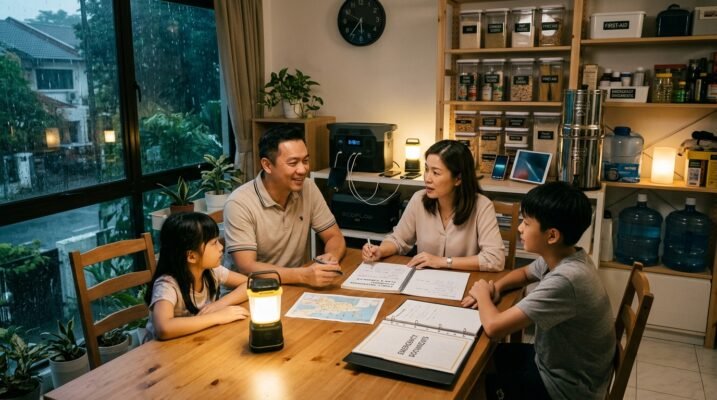
- Expand water storage to 2–4 weeks
- Purchase a proper water filter
- Grow a 1–3 month food supply
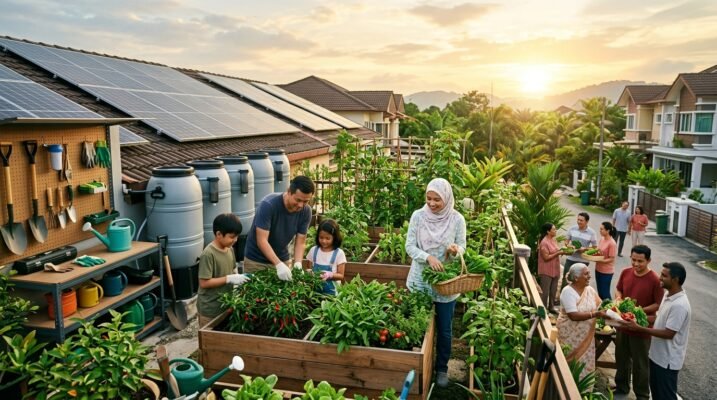
- Start simple home gardening
- Buy power banks and rechargeable lights
- Strengthen household medical supplies
Month 4–6 Priorities
- Build 3–6 months emergency savings
- Install rainwater collection if possible
- Build community relationships
- Develop backup power systems
- Create rotating food stock systems
- Reduce debt and financial vulnerability
Preparation Summary
| Phase | Timeline | Main Focus | Estimated Budget |
|---|---|---|---|
| Immediate | This Week | Water, food basics, heat prep | RM100–200 |
| Phase 1 | Week 2–4 | Water filters, dengue prevention | RM200–600 |
| Phase 2 | Month 2–3 | Food security, medical kit, cooling | RM300–700 |
| Phase 3 | Month 3–4 | Power backup, emergency fund | RM400–1,000 |
| Phase 4 | Month 4–6 | Water independence, community resilience | RM800–2,000+ |
The Families Who Suffer Least Prepare Early
The families who come through major disruptions best are rarely the wealthiest. They are usually the families who acted early, stayed calm, and built simple backup systems before panic began.
Preparedness is not about fear. It is about reducing vulnerability.
El Niño is forecastable. That means we still have time. The decisions you make over the next few months may determine whether your household experiences future disruptions as an inconvenience — or as a crisis.
Start Preparing Before Conditions Worsen
Build your water storage, food resilience, emergency supplies, and household readiness step-by-step with Malaysian-focused preparedness guides and checklists.
Start Your 30-Day Plan
Preparation begins before the crisis arrives.
By Dr. Preppers, your emergency preparedness guide.
Presented by Preppers MY · www.preppersmy.com
Suggested Reads

Preparedness Through Gardening | Building Family Resilience Naturally
Reading Time: 4 minutes
Apr

Water Filter Comparison for Malaysian Water Sources | Best Emergency Filters
Reading Time: 5 minutes
Apr

Blackout Ready: Why Every Malaysian Home Needs a Portable Power Station in 2026
Reading Time: 5 minutes
May
90-Day Preparedness Plan for Malaysian Families | Build Real Resilience
Reading Time: 3 minutes
May

Home Water Storage in High Humidity Environments | Malaysian Water Guide
Reading Time: 5 minutes
Apr

Family Evacuation Plans in Urban Malaysia | Routes, Meeting Points & Communication
Reading Time: 5 minutes
Apr

Bangkok Bar Fire: What Happened, and What It Teaches Malaysian Families About Venue Safety
Reading Time: 3 minutes
Jul

Nik Muhammad Hafiz: Building Malaysia’s Preparedness Movement | Preppers MY
Reading Time: 4 minutes
May
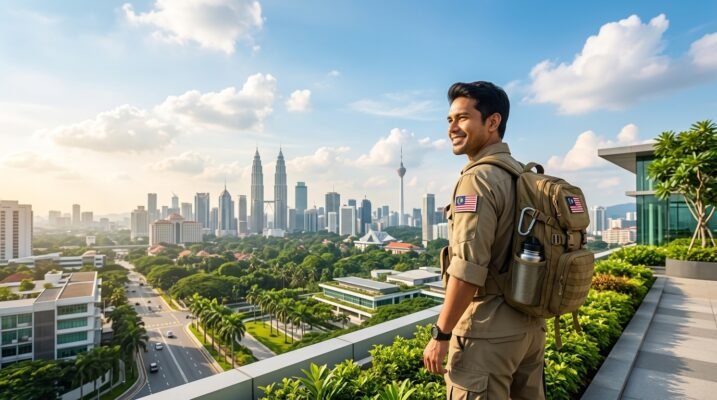
South China Sea Geopolitical Crisis | How Malaysian Families Can Prepare
Reading Time: 5 minutes
Apr

Home Solar Installation for Malaysian Families | Energy Independence Guide
Reading Time: 5 minutes
Apr

Building Prepper Community in Malaysia | Resilience Through Neighbours & Local Networks
Reading Time: 5 minutes
Apr

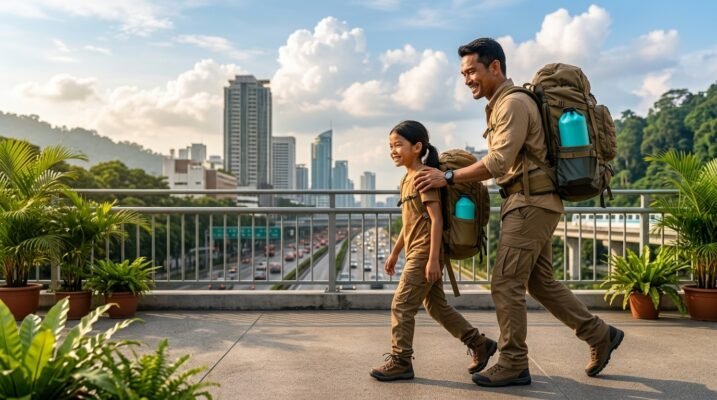
72-Hour Bug Out Bag for Malaysian Families | Tropical-Ready Evacuation Guide
Reading Time: 6 minutes
Apr
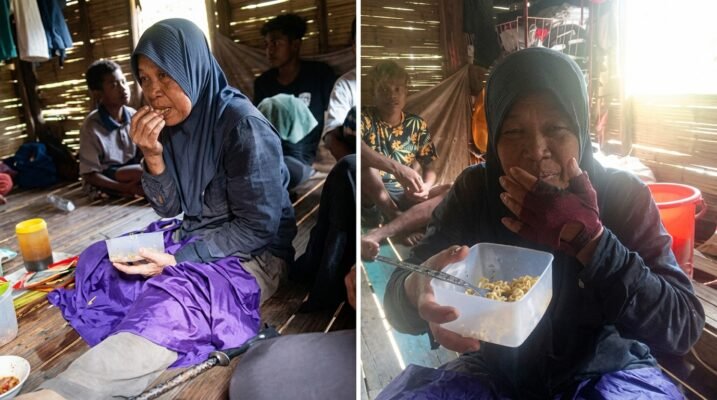
She Survived 14 Days Alone in the Jungle — Jaslinda’s Miracle Has a Lesson for Every Hiker
Reading Time: 6 minutes
Jun

Preparing for Tropical Diseases During Emergencies | Malaysian Family Guide
Reading Time: 4 minutes
Apr
El Niño Is Coming Back — And This Time, It Could Be the Worst Malaysia Has Ever Seen
Reading Time: 5 minutes
May

Emergency Lighting Guide for Malaysian Families | Blackout Preparedness
Reading Time: 5 minutes
May

From Classroom to Water Independence | Building a 6-Month Water Supply in Malacca
Reading Time: 5 minutes
Apr

Physical Fitness for Preppers | Tropical Climate Training for Malaysian Families
Reading Time: 5 minutes
Apr

5 Economic Threats in 2026 That Could Change Your Life in Malaysia — And What to Do About It Now
Reading Time: 4 minutes
May
Suggested Related Products