Prepared Home
Home Water Storage in High Humidity Environments | Malaysian Water Guide


 Share this Article:
Home Water Storage in High Humidity Environments
Malaysia’s heat and humidity make water storage more complicated than simply filling a container and forgetting it. This guide explains how to store water safely, prevent contamination, manage algae and mold, and maintain clean emergency water for your family.
What This Guide Covers
- How humidity, heat, light, and condensation affect stored water
- Best container types for Malaysian homes
- Algae prevention, inspection, rotation, and treatment protocols
- Water storage quantities and emergency backup sources
The Malaysian Water Storage Challenge
Water storage seems simple: fill a container, store it, and drink when needed. Tropical Malaysia turns that into a more active maintenance problem.
Heat, humidity, light exposure, poor seals, and long storage times can all reduce water safety. If containers are not managed properly, stored water can become cloudy, smell unpleasant, grow algae, or become unsafe to drink.
- Algae growth: Light and warmth can cause green growth in exposed containers.
- Bacterial multiplication: Warm water and contamination allow microbes to multiply quickly.
- Biofilm formation: Bacterial slime can form on container interiors and become difficult to clean.
- Container degradation: Heat cycles can warp or crack poor-quality plastic.
- Condensation: Temperature differences and humidity can create moisture problems around seals and surfaces.
- Mold on seals: Rubber and plastic seals may develop mold if stored in stagnant humid spaces.
Critical Fact: Emergency water storage is not “fill and forget.” In Malaysian conditions, water storage works best when containers are dark, sealed, shaded, labelled, inspected, and rotated regularly.
Calculating Your Water Needs
A practical starting point is to store at least enough drinking water for every family member, then add extra for cooking, basic hygiene, and heat-related needs.
- Minimum baseline: 1 liter per person per day for short-term drinking needs.
- More realistic target: 2 liters per person per day when cooking and basic washing are included.
- Family of 4: 8 liters per day at the realistic target.
- Two-week target: About 112 liters for a family of 4.
- One-month target: About 240 liters for a family of 4.
For most households, 150–300 liters is a strong starting range. Larger families or flood-prone areas may need more.
Container Types for Malaysian Storage
Not all containers are suitable for long-term drinking water storage in tropical heat and humidity.
Best: Food-Grade Plastic Water Containers
Why: Designed for drinking water storage, stronger than cheap buckets, and often easier to seal properly.
What to Look For: Opaque or dark material, tight lid, durable plastic, easy-clean opening, and spigot if possible.
Best Use: Long-term household emergency water storage.
Good: Hard Plastic Jerrycans
Why: Durable, portable, and often more affordable than premium storage containers.
What to Watch: Choose food-grade versions when storing drinking water.
Best Use: Rotating water supply, evacuation water, and secondary household storage.
Temporary: Buckets and Short-Term Containers
Why: Useful during sudden water disruption, cleaning, flushing, and non-drinking storage.
Limitation: Clear or thin plastic allows light exposure and degrades faster.
Best Use: Temporary emergency use, not long-term drinking water storage.
Use Caution: Metal Drums
Why: Metal containers can rust in humid conditions and may be difficult to inspect or clean internally.
Exception: Properly lined food-grade drums may work if inspected and maintained carefully.
Best Configuration for Malaysian Homes
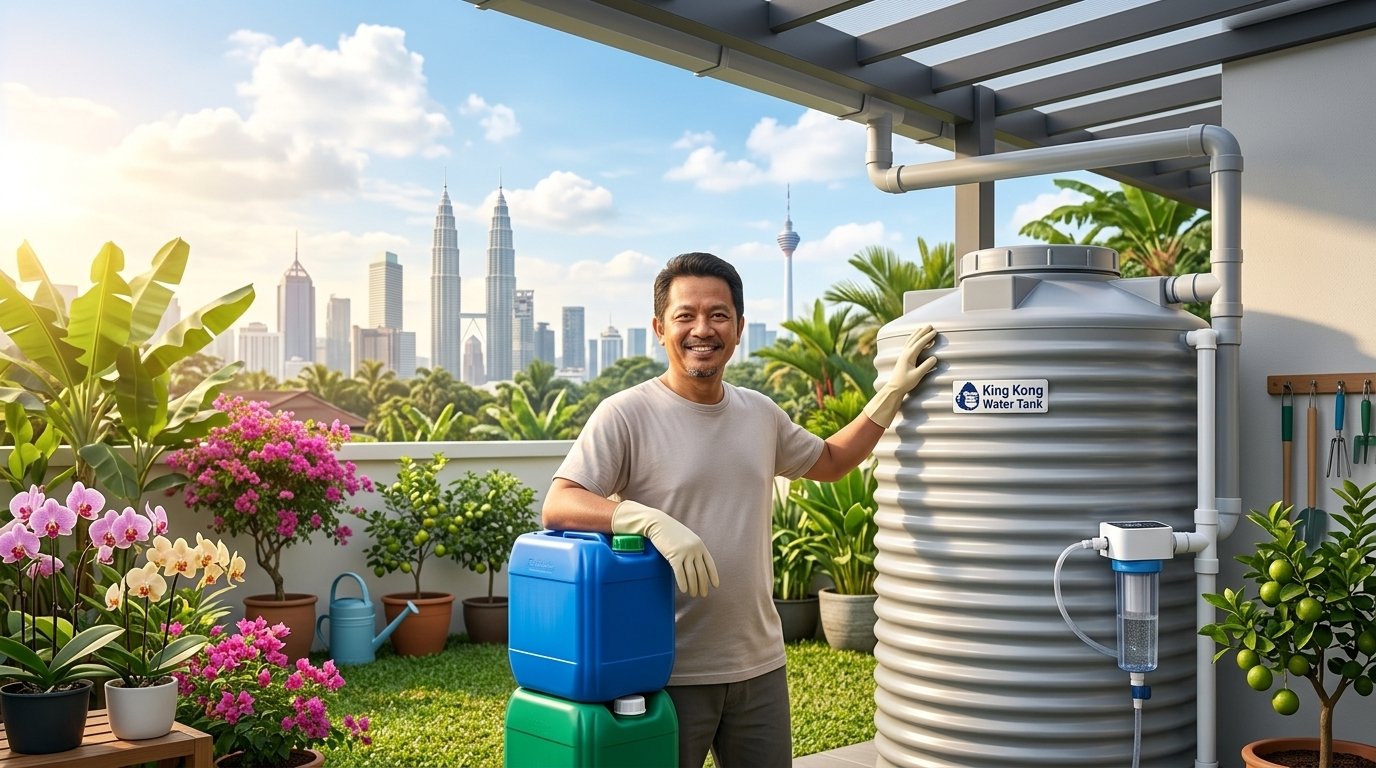
- Primary storage: Larger food-grade containers kept in a cool, shaded area.
- Secondary storage: Smaller jerrycans used for rotation and easier handling.
- Temporary backup: Buckets or short-term containers for washing, flushing, and emergency collection.
- Filtration backup: Gravity filter or portable filter for treating stored or collected water.
Preventing Algae Growth
Algae is one of the most common tropical storage problems. It requires light, warmth, and time. The best prevention is to block light and rotate water before problems develop.
Anti-Algae Strategy
- Use dark or opaque containers: Less light means less algae growth.
- Store away from sunlight: Keep containers in cupboards, storerooms, or shaded areas.
- Keep containers sealed: Open containers allow dust, insects, and contamination.
- Minimise air space: Full containers reduce internal air and contamination exposure.
- Rotate regularly: Use older water first and refill with fresh water.
- Treat questionable water: Filter, boil, or chemically treat if safety is uncertain.
Managing Humidity, Condensation, and Mold
High humidity can affect storage areas, lids, seals, and container exteriors even when the water itself remains sealed.
Reducing Condensation Problems
- Store in stable temperatures: Avoid direct sunlight and hot outdoor areas.
- Check seals: Loose or cracked seals allow air exchange and contamination.
- Keep containers off damp floors: Use shelves, pallets, or raised platforms.
- Allow air circulation: Avoid tightly packed, stagnant storage corners.
Managing Mold on Exterior Seals
- Inspect monthly: Look for mold, cracks, slime, or unpleasant smell.
- Clean seals carefully: Wipe with suitable diluted cleaning solution and dry properly.
- Replace damaged gaskets: A poor seal can compromise stored water.
Water Quality Management
Pre-Storage: Start Clean
- Use safe tap water where available: Fill containers from a clean tap.
- Filter or boil questionable water: Do not store already contaminated water untreated.
- Cool boiled water before sealing: This reduces condensation inside containers.
Monthly Inspection Protocol
- Visual check: Water should be clear with no algae, cloudiness, or sediment.
- Smell test: Stored water should not smell sour, rotten, or metallic.
- Seal check: Inspect lids, gaskets, cracks, and fittings.
- Location check: Confirm containers remain shaded, cool, sealed, and elevated.
- Label check: Confirm fill date and rotation schedule.
Rotation Schedule
- Every 3 months: Use older water for non-drinking purposes and refill.
- Every 6 months: Rotate drinking water and clean containers if opened.
- Annually: Deep clean containers and inspect for warping or cracks.
- Always label: Mark fill dates clearly with permanent marker.
Treating Stored Water Before Drinking
When in doubt, treat stored water before drinking. This is especially important if containers were opened, stored too long, exposed to heat, or look questionable.
Treatment Options
1. Boiling: Most reliable for biological contamination. Bring to rolling boil before use.
2. Filtering: Useful if boiling is not possible or if water has sediment.
3. Chemical Treatment: Useful as a backup option when used correctly.
4. Combination: Filter first, then boil or chemically disinfect for added safety.
Storage Quantity by Household Size
Recommended Storage Amounts
Single person: 60–100L
Family of 2: 120–200L
Family of 3: 180–300L
Family of 4: 240–400L
Family of 5+: 300–500L
Note: Start with what your space and budget allow. Build gradually and rotate consistently.
Water Storage Maintenance Checklist
Monthly
- Inspect clarity, colour, and smell
- Check seals and lids
- Wipe container exterior
- Confirm storage area remains cool and shaded
- Review labels and fill dates
Every 3–6 Months
- Rotate older water
- Refill with fresh water
- Clean containers that were opened
- Check for mold, algae, warping, or cracks
Annually
- Deep clean all storage containers
- Inspect seals and replace if needed
- Review household water quantity target
- Replace degraded containers
The Complete Water Storage Setup
Suggested Family Setup
- Food-grade water containers
- Smaller jerrycans for rotation
- Gravity filter or portable filter
- Backup chemical purification option
- Permanent marker and labels
- Raised storage shelf or pallet
- Cleaning supplies for container maintenance
Emergency Water Sources When Storage Runs Out
- Tap water: Treat before drinking if contamination is suspected.
- Rainwater: Collect safely and filter or boil before use.
- Rivers or streams: Treat thoroughly before drinking.
- Bathtub reserve: Fill early during expected disruption for flushing and cleaning use.
Get Your Water Storage Setup Checklist
Complete guide with container shopping list, maintenance schedule, monthly inspection checklist, treatment protocols, and troubleshooting guide for Malaysian tropical conditions.
Download Free Resources
Store it clean. Keep it dark. Rotate before you need it.
By Dr. Preppers, your emergency preparedness guide.
Presented by Preppers MY · www.preppersmy.com
Suggested Reads
Physical Fitness for Preppers | Tropical Climate Training for Malaysian Families
Reading Time: 5 minutes
Apr
Walkie-Talkie Buyer’s Guide for Malaysian Families | Emergency Communication
Reading Time: 6 minutes
Apr
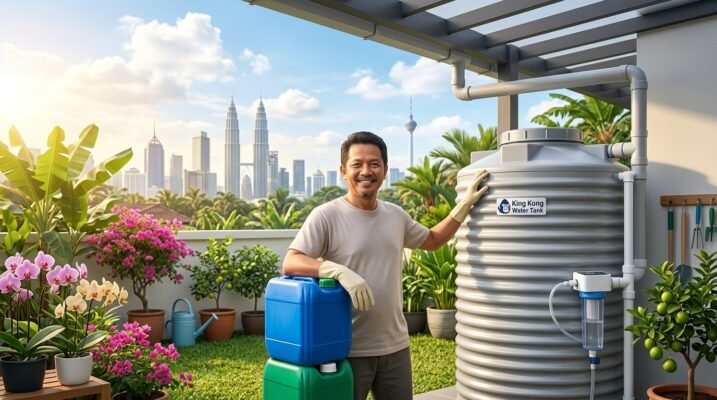
Home Water Storage in High Humidity Environments | Malaysian Water Guide
Reading Time: 5 minutes
Apr
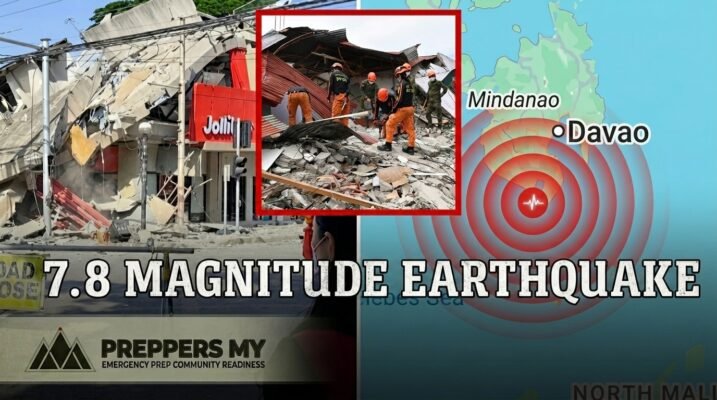
7.8 Earthquake Strikes Southern Philippines — What Malaysian Families Must Know Right Now
Reading Time: 4 minutes
Jun

Home Solar Installation for Malaysian Families | Energy Independence Guide
Reading Time: 5 minutes
Apr
Local Food Security Starts Here | Strengthening Ipoh’s Prepping Community
Reading Time: 4 minutes
Apr
Blackout Ready: Why Every Malaysian Home Needs a Portable Power Station in 2026
Reading Time: 5 minutes
May
Water Purification for Tropical Climates | Safe Drinking Water Guide for Malaysia
Reading Time: 4 minutes
Apr
Lost in the Malaysian Jungle: Lessons from Jaslinda’s Disappearance at Gunung Batu Putih
Reading Time: 8 minutes
Jun

Nik Muhammad Hafiz: Building Malaysia’s Preparedness Movement | Preppers MY
Reading Time: 4 minutes
May
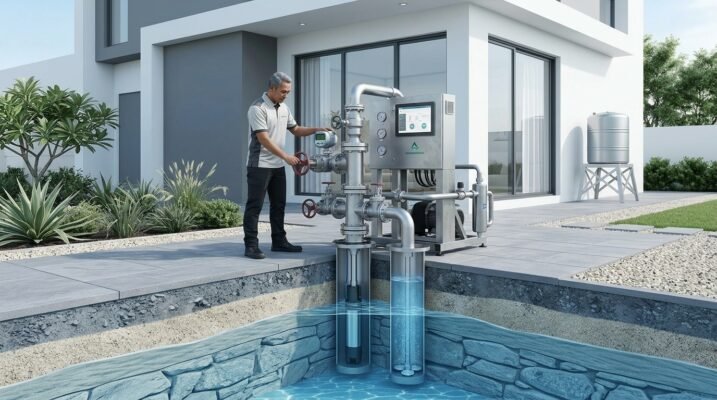
Home Borewell Installation for Water Independence | Secure Your Family’s Water Supply
Reading Time: 5 minutes
Apr
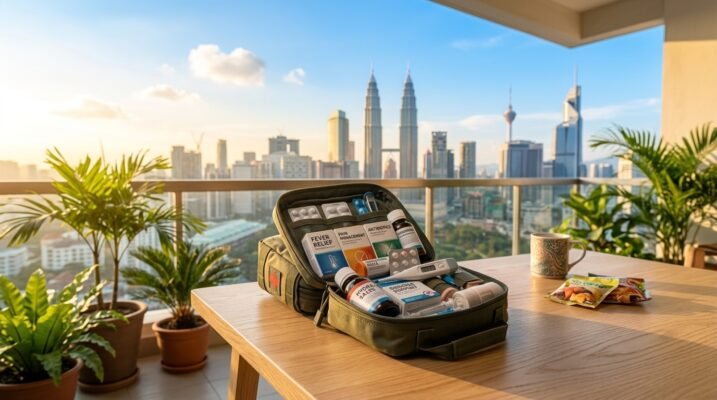
Complete Home Medical Kit for Malaysian Tropical Diseases | Emergency Preparedness
Reading Time: 5 minutes
Apr
Building Prepper Community in Malaysia | Resilience Through Neighbours & Local Networks
Reading Time: 5 minutes
Apr
First Aid for Remote Areas in Malaysia | Austere Medicine Survival Guide
Reading Time: 5 minutes
Apr
Preparing for Tropical Diseases During Emergencies | Malaysian Family Guide
Reading Time: 4 minutes
Apr

Family Evacuation Plans in Urban Malaysia | Routes, Meeting Points & Communication
Reading Time: 5 minutes
Apr
72-Hour Bug Out Bag for Malaysian Families | Tropical-Ready Evacuation Guide
Reading Time: 6 minutes
Apr
90-Day Preparedness Plan for Malaysian Families | Build Real Resilience
Reading Time: 3 minutes
May

Preparedness Through Gardening | Building Family Resilience Naturally
Reading Time: 4 minutes
Apr

Emergency Lighting Guide for Malaysian Families | Blackout Preparedness
Reading Time: 5 minutes
May
Suggested Related Products