Emergency Scenarios, Latest News
Malaysia’s Monsoon Crisis 2026: What Families Must Prepare For Now


 Share this Article:
Malaysia’s Monsoon Crisis 2026: Floods, Evacuations & Family Preparedness
Heavy rain, flash floods and evacuations are reminders that Malaysian families need practical preparedness before emergencies happen — especially for water, food, power, lighting, communication and evacuation planning.
What This Article Covers
- Why recent floods and evacuations matter for Malaysian families
- How heavy rain disrupts transport, food supply, power and water
- What happens inside a household during a flood emergency
- A practical 48-hour action plan for family preparedness
- Essential guides and tools to prepare before the next disruption
Malaysia Is Entering a New Climate Reality
For many Malaysians, monsoon season used to feel predictable. It rained heavily, drains overflowed, traffic slowed, and eventually daily life returned to normal.
Today, that pattern is changing. Heavy rainfall events are becoming more disruptive. Flash floods can happen quickly. Roads can become inaccessible within minutes. Families may suddenly find themselves unable to travel, buy supplies, charge devices, access clean water or communicate reliably.
Recent flood events across Johor, Kedah, Selangor and other parts of Malaysia show a simple truth: preparedness is no longer optional for modern households. It is a practical family responsibility.
What Is Happening Right Now
Heavy rainfall across parts of Peninsular Malaysia has triggered flooding, displacement and emergency response operations. In affected areas, families have had to leave their homes, move to evacuation centres and deal with disruption to daily life.
The risk zones during active thunderstorm and flood periods may include parts of Johor, Kedah, Selangor, Kuala Lumpur, Putrajaya, Kelantan, Terengganu, Pahang, Perak, Negeri Sembilan and Melaka, with severe weather risk also affecting parts of Sabah and Sarawak.
Flooding
Heavy rainfall can overwhelm drains, rivers and low-lying roads quickly, especially in urban and semi-urban areas.
Evacuation
Families may have limited time to leave once water rises. Documents, medicine and emergency bags must already be ready.
Power Loss
Floods can disrupt electricity, phone charging, lighting, routers, refrigerators and medical equipment.
Supply Stress
When roads close, food, fuel, medicine and delivery systems can slow down or become temporarily unavailable.
The most important lesson: during flood season, your family may have minutes — not days — to react. Emergency supplies and plans must be ready before the water rises.
The Economic Impact Malaysians Often Ignore
Flooding is not only a weather problem. It is also an economic problem.
When floods hit, roads close, deliveries are delayed, fuel distribution slows, workers cannot reach workplaces, children cannot safely attend school and businesses lose operating time.
For families, this can mean delayed income, damaged vehicles, lost stock, higher food prices, medicine shortages and sudden repair costs.
Why This Matters At Home
A household without stored food, clean water, backup lighting or emergency cash becomes vulnerable very quickly. A household with even basic preparation can turn a crisis into a manageable disruption.
Climate Stress, Monsoon Rainfall & Malaysia’s Preparedness Gap
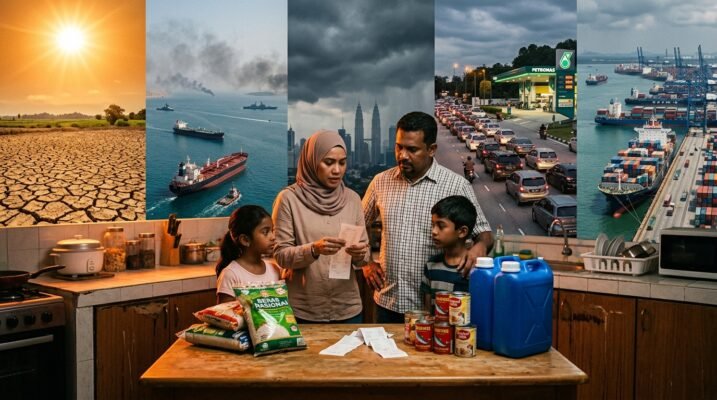
Malaysia’s climate risks are not limited to one type of emergency. A single year may bring heatwaves, haze, water stress, dengue outbreaks and severe monsoon flooding.
This means family preparedness must cover multiple systems at once:
- Water storage and purification
- Food storage and rotation
- Emergency lighting
- Backup power
- Medical supplies
- Communication backup
- Evacuation planning
What Happens During a Major Flood Event
1. Transportation Stops
Flooded roads can trap vehicles, delay ambulances and prevent families from reaching schools, clinics, workplaces or relatives.
Even if your home does not flood, road closures can still affect your ability to buy food, collect medicine or travel safely.
2. Power Disruptions Begin
Power outages affect fans, refrigerators, routers, lights, water pumps, phone charging and medical devices. In Malaysia’s hot and humid climate, losing power can become uncomfortable and potentially dangerous very quickly.
3. Water Supply Becomes Unreliable
Floodwater can contaminate local systems. Even if taps continue running, families may not be confident that the water is safe to drink without boiling, filtering or treating it.
4. Mobile Networks Become Overloaded
During emergencies, everyone tries to call, message and check updates at the same time. Networks may become slow, congested or unavailable, especially if power to nearby towers is affected.
5. Evacuation May Happen Fast
Families often assume they will have plenty of time to pack. In a fast-rising flood, that may not be true.
Your family should already know:
- Where the emergency bag is kept
- Where important documents are stored
- Who carries medicine
- Which route to take
- Where to meet if separated
Your 48-Hour Family Action Plan
Immediate Actions: Today
Store Water
Store at least 1 gallon of water per person per day. For a family of four, aim for a minimum 2-week reserve if space allows.
Prepare Food
Stock rice, canned food, instant noodles, dry goods, powdered milk and ready-to-eat food your family already eats.
Prepare Medicine
Keep at least 2 weeks of prescription medication, ORS, fever medicine, antiseptic, bandages and diarrhoea medication.
Prepare Lighting
Keep flashlights, emergency lanterns, batteries, power banks and backup charging options ready before a blackout occurs.
This Weekend
- Assemble emergency supplies into a waterproof container
- Create a family communication plan
- Identify evacuation routes from your home
- Teach children where to go if evacuation is needed
- Move important documents into a waterproof pouch
This Month
- Expand household water storage
- Build a 2–4 week food reserve
- Consider a backup power system
- Prepare emergency lighting
- Review insurance documents
- Identify your area’s flood risk level
Preparedness Summary
| Priority | Why It Matters | Suggested Action |
|---|---|---|
| Water | Floods can affect clean water access | Store 1 gallon per person per day |
| Food | Road closures delay supplies | Build 2–4 weeks of non-perishable food |
| Power | Outages affect phones, lights and devices | Prepare power banks and backup power |
| Medical | Clinics may be hard to reach | Keep medicine and first aid supplies |
| Communication | Mobile networks can fail or overload | Prepare contact plans and backup radios |
| Evacuation | Floodwater can rise quickly | Prepare bags, documents and routes |
Preparedness Guides To Use Now
Preppers MY has created practical resources specifically for Malaysian families. Start with the basics first. Do not try to do everything in one day.
30-Day Plan
A structured roadmap to build preparedness gradually without panic buying or overspending.
Water Storage
Learn how much water to store and how to manage water safely in Malaysia’s tropical climate.
Emergency Lighting
Prepare lighting options for blackouts, evacuation, night-time flooding and power disruptions.
72-Hour Kit
Build a basic emergency kit for the first three days of disruption, evacuation or isolation.
Products That Make Sense For Malaysian Preparedness
Preparedness does not require buying everything at once. But some items provide real value during Malaysian flood season, especially when power, water and communication systems become unreliable.
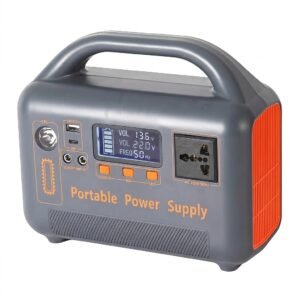
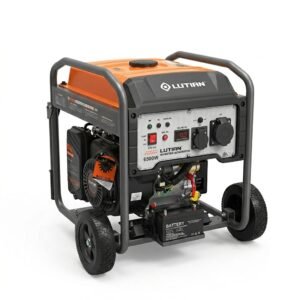
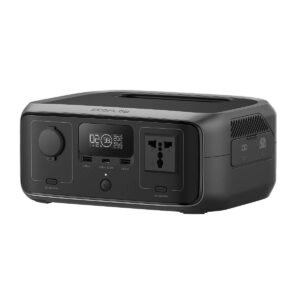
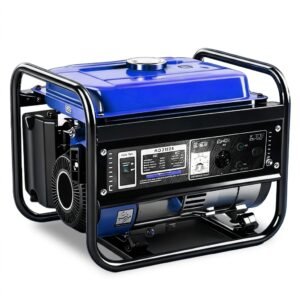
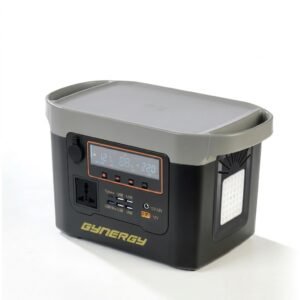
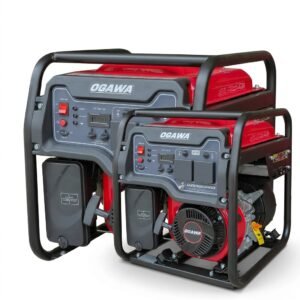
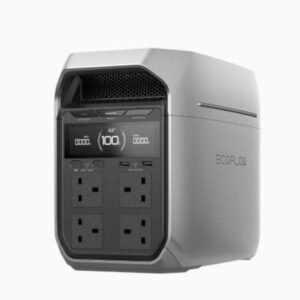
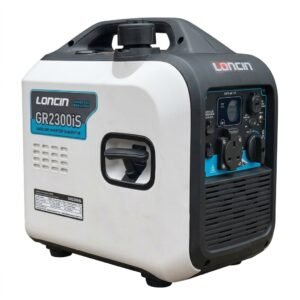
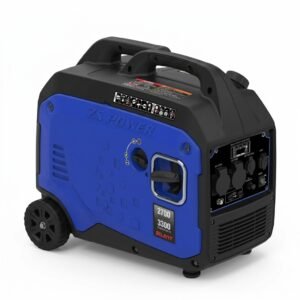
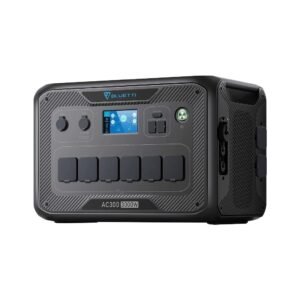
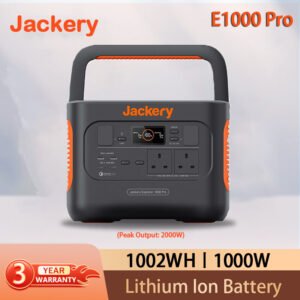
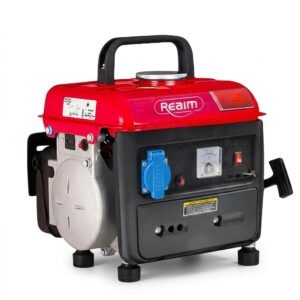
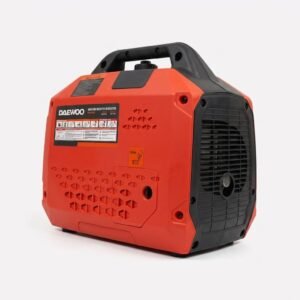
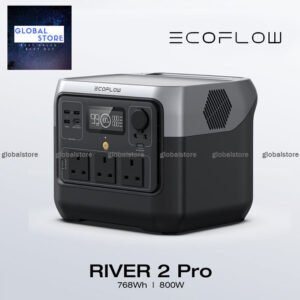
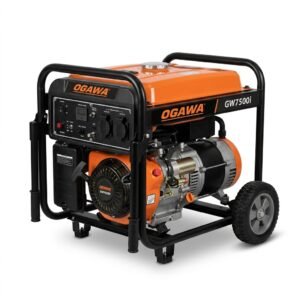
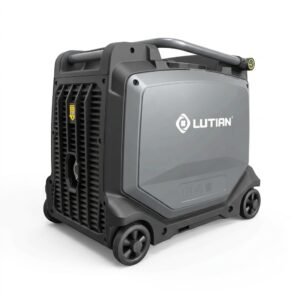
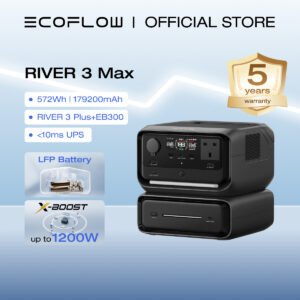
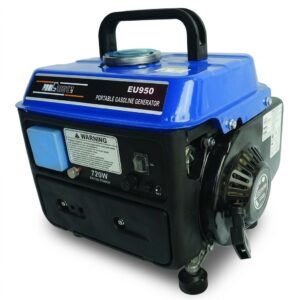
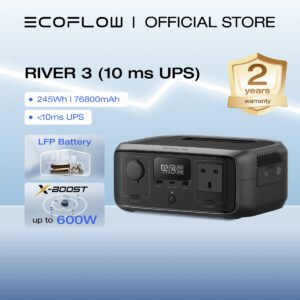
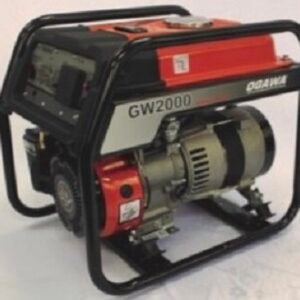
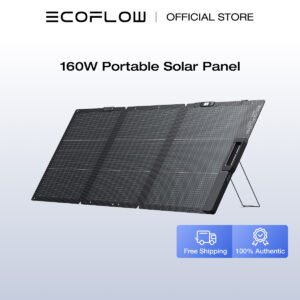
- Backup power system: keeps phones, lights, radios, fans and essential devices running.
- Food preservation tools: protect rice, dry goods and frozen food from moisture, pests and spoilage.
- Emergency communication devices: provide backup communication when mobile networks fail.
- Water storage containers: help families maintain clean water access during disruptions.
The Reality: Preparedness Works
Prepared families still experience disasters. The difference is that they face them with less panic and more control.
They already have water. They already have food. They already know where their documents are. They already know who to call, where to go and what to bring.
Immediate Next Steps
- Download the 30-Day Preparedness Roadmap.
- Prepare at least 72 hours of food, water and medication.
- Check your area’s flood risk.
- Store important documents in a waterproof pouch.
- Create a family communication and evacuation plan.
- Monitor MetMalaysia and local emergency updates.
Start Preparing Before The Next Flood
Build your water storage, food resilience, emergency supplies and household readiness step-by-step with Malaysian-focused preparedness guides and checklists.
Start Your 30-Day Plan
Preparation begins before the crisis arrives.
By Dr. Preppers, your emergency preparedness guide.
Presented by Preppers MY · www.preppersmy.com
Suggested Reads

Financial Preparedness for Malaysian Families | Cash, Inflation & Currency Protection
Reading Time: 5 minutes
Apr

Family Evacuation Plans in Urban Malaysia | Routes, Meeting Points & Communication
Reading Time: 5 minutes
Apr
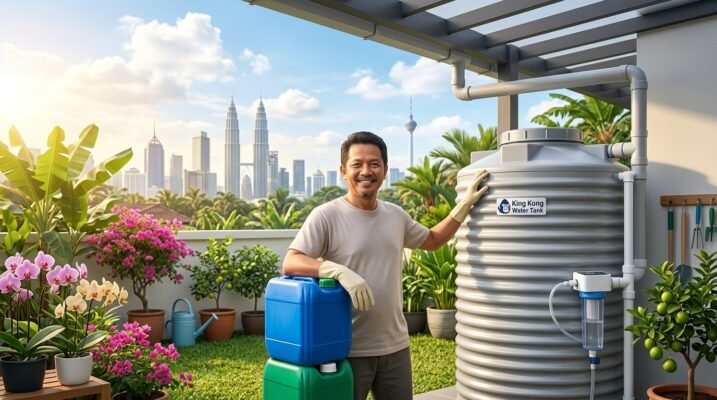
Home Water Storage in High Humidity Environments | Malaysian Water Guide
Reading Time: 5 minutes
Apr
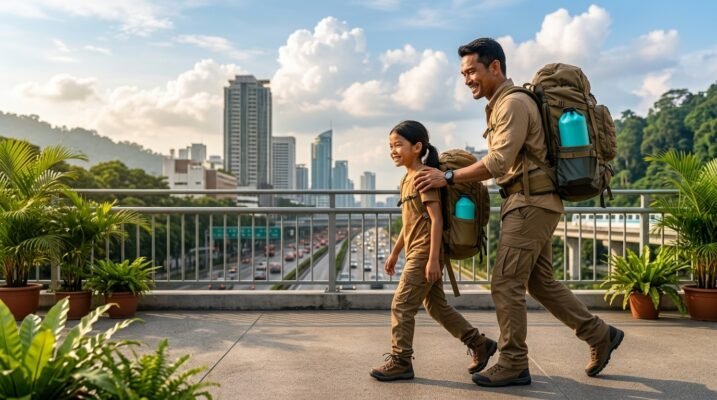
72-Hour Bug Out Bag for Malaysian Families | Tropical-Ready Evacuation Guide
Reading Time: 6 minutes
Apr

Preparing for Tropical Diseases During Emergencies | Malaysian Family Guide
Reading Time: 4 minutes
Apr
Water Purification for Tropical Climates | Safe Drinking Water Guide for Malaysia
Reading Time: 4 minutes
Apr
Bangkok Bar Fire: What Happened, and What It Teaches Malaysian Families About Venue Safety
Reading Time: 3 minutes
Jul

Building Prepper Community in Malaysia | Resilience Through Neighbours & Local Networks
Reading Time: 5 minutes
Apr
She Survived 14 Days Alone in the Jungle — Jaslinda’s Miracle Has a Lesson for Every Hiker
Reading Time: 6 minutes
Jun
Home Borewell Installation for Water Independence | Secure Your Family’s Water Supply
Reading Time: 5 minutes
Apr

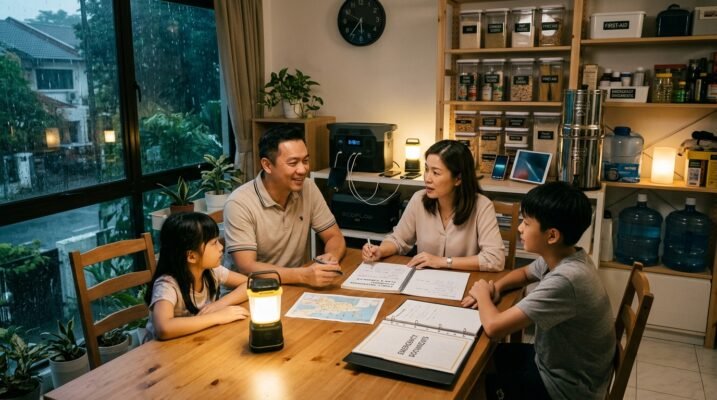
90-Day Preparedness Plan for Malaysian Families | Build Real Resilience
Reading Time: 3 minutes
May

Home Solar Installation for Malaysian Families | Energy Independence Guide
Reading Time: 5 minutes
Apr
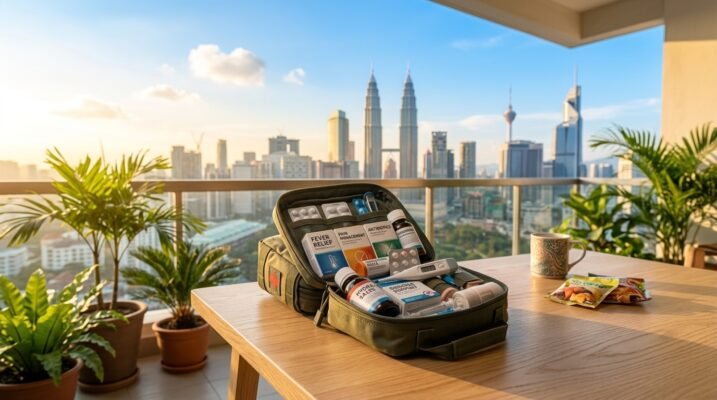
Complete Home Medical Kit for Malaysian Tropical Diseases | Emergency Preparedness
Reading Time: 5 minutes
Apr

First Aid for Remote Areas in Malaysia | Austere Medicine Survival Guide
Reading Time: 5 minutes
Apr
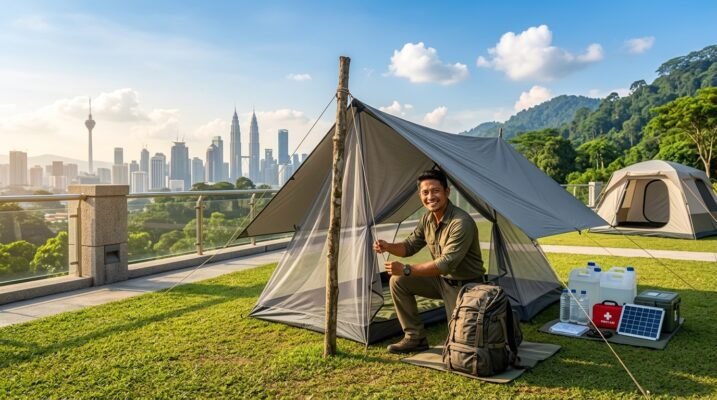
Emergency Shelter Building in Tropical Rainforest | Malaysian Jungle Survival Guide
Reading Time: 5 minutes
Apr
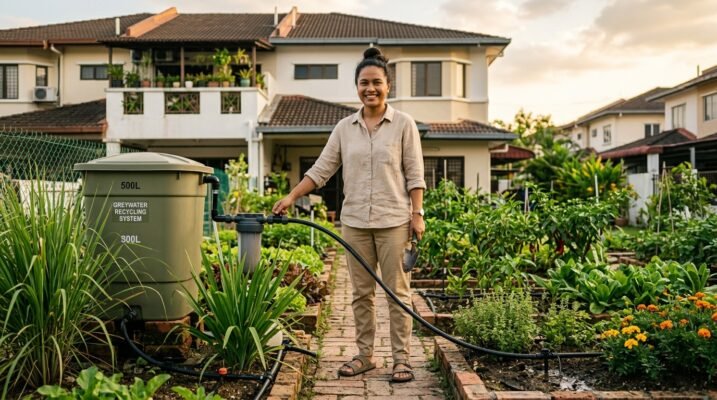
From Classroom to Water Independence | Building a 6-Month Water Supply in Malacca
Reading Time: 5 minutes
Apr

Water Filter Comparison for Malaysian Water Sources | Best Emergency Filters
Reading Time: 5 minutes
Apr

Local Food Security Starts Here | Strengthening Ipoh’s Prepping Community
Reading Time: 4 minutes
Apr
5 Economic Threats in 2026 That Could Change Your Life in Malaysia — And What to Do About It Now
Reading Time: 4 minutes
May
Suggested Related Products