Prepping Basics
Why 2030 Matters for Malaysian Families | Preparedness Guide


 Share this Article:
Why 2030 Matters: A Prepper’s Guide for Malaysian Families
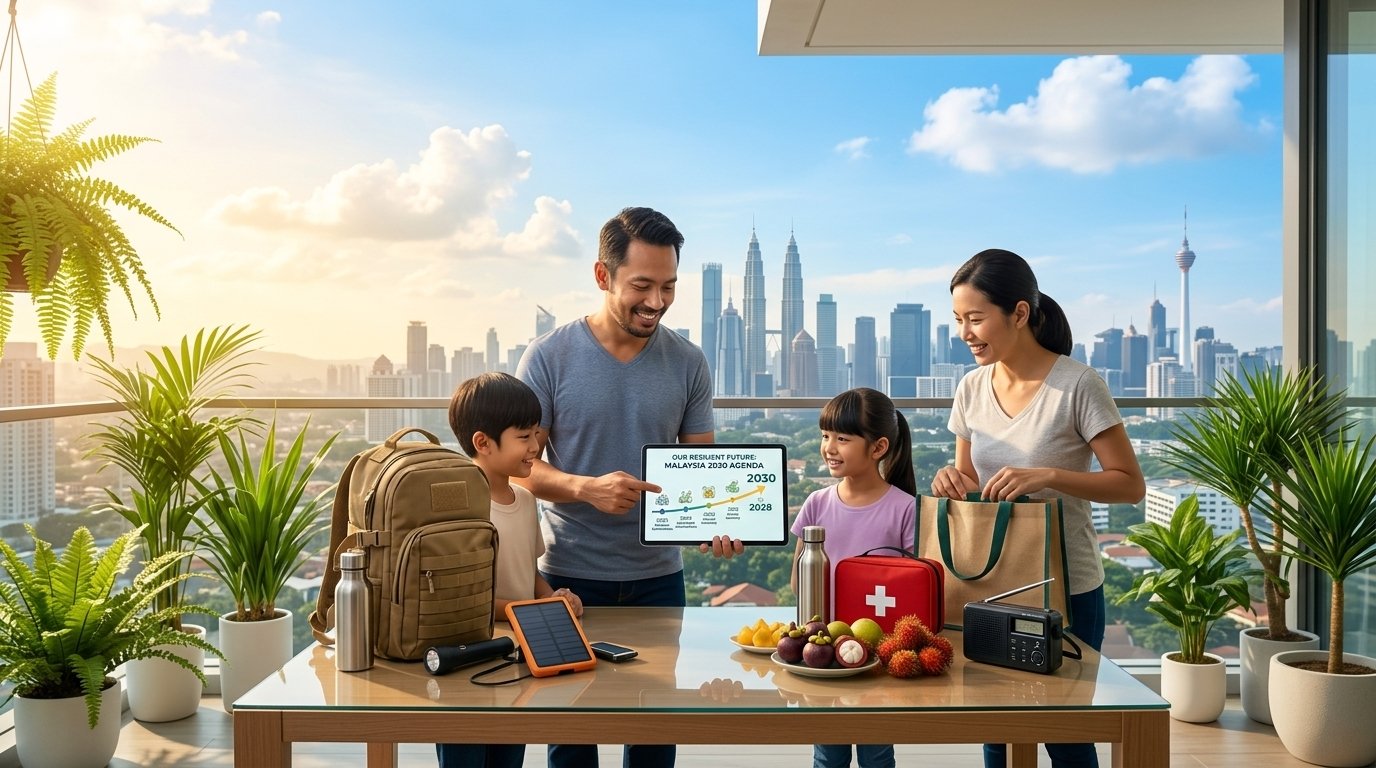
The world is changing. Geopolitical tensions, economic instability, and supply chain disruptions are no longer distant concerns—they’re happening now. For Malaysian families, the window to prepare is closing. This is why we focus on 2030: the critical inflection point when global shifts will reshape how we live, work, and survive. The time to act is now.
What’s Happening in 2030?
You’ve likely heard the phrase “2030” in news headlines, podcasts, and online discussions. But what does it actually mean for your family?
According to geopolitical analysts and researchers like Professor Jiang Xueqin, 2030 represents a critical inflection point in global affairs. It’s not that something catastrophic will happen on January 1st, 2030. Rather, the years leading up to 2030—particularly 2027 to 2028—will be marked by significant geopolitical, economic, and social transitions.
The 2030 Timeline: Predict major shifts in global power structures, trade relationships, resource scarcity, and economic stability. Countries and communities that prepared will thrive. Those that didn’t will struggle.
Why Should Malaysian Families Care?
Malaysia’s position is unique. As a developing economy dependent on global trade, a strategic hub for regional commerce, and a nation vulnerable to climate and supply chain disruptions, Malaysia faces specific risks that warrant preparation.
The Four Threats to Malaysian Stability
- Supply Chain Disruption: 70% of Malaysian consumption relies on imported goods. When global supply chains break down, prices spike and shelves empty.
- Energy Security: Malaysia imports crude oil and relies on regional energy markets. Rising geopolitical tensions can threaten stable energy prices.
- Currency & Economic Instability: When global markets panic, the Malaysian ringgit weakens. Savings lose value and families without diversified reserves become vulnerable.
- Climate & Disaster Vulnerability: Monsoons, floods, and landslides can become more dangerous when combined with electricity, water, or transport disruption.
These are not abstract risks. They are the type of disruptions Malaysian families have already experienced in different forms. The next event may be more severe, longer lasting, or arrive with less warning.
The Critical Window: 2027–2028
Experts identify 2027–2028 as the “crisis window”—the period when geopolitical and economic pressures may reach peak intensity. This is when systems strain, supply chains fracture, and unprepared families face the harshest impacts.
The Three Phases of Preparation
Phase 1: Build foundational security. 72-hour kits, water storage, emergency contacts. Cost: RM500–2,000.
Phase 2: Expand to 6-month resilience. Food storage, solar power, medical supplies, communication gear. Cost: RM5,000–15,000.
Phase 3: Secure long-term independence. Off-grid options, advanced power systems, land security. Cost: RM20,000+.
The advantage of starting now is simple: you can build progressively without financial panic. If you wait until crisis conditions, prices may be inflated, supplies may be scarce, and panic buying may already have started.
What Does “Prepared” Actually Mean?
Being prepared does not mean doomsday bunkers or stockpiling for apocalypse. It means building resilience—the ability for your family to handle disruptions without relying entirely on systems that might fail.
The Five Pillars of Family Resilience
- Water Security: Clean water for drinking, cooking, and sanitation. Store a practical reserve and have filtration backup.
- Food Security: Shelf-stable food your family actually eats, rotated properly in Malaysia’s heat and humidity.
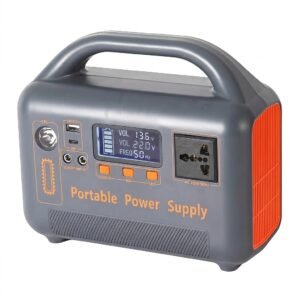
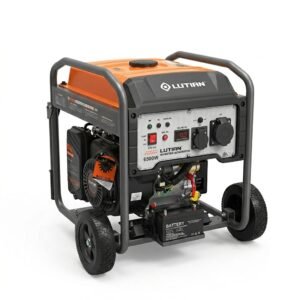
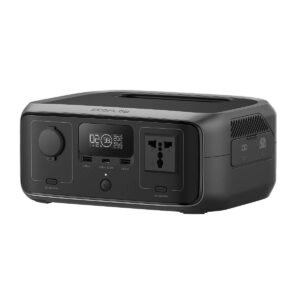
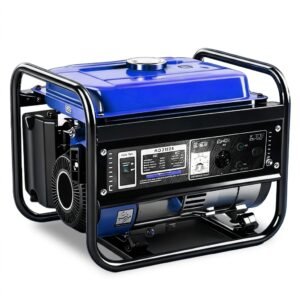
- Energy Independence: Solar generators, backup power, batteries, and lighting options for blackouts.
- Medical Preparedness: First aid kits, essential medications, and supplies for common household emergencies.
- Communication & Community: Family communication plans, radio backup, and trusted neighborhood connections.
Each pillar is useful on its own. Together, they create a safety net. Your family is no longer dependent on one fragile system.
The Misconception About Preppers
Many people dismiss preparedness as paranoia or extremism. They imagine preppers as antisocial hoarders building bunkers. The reality is very different.
Modern preppers are ordinary people—teachers, engineers, parents, business owners—who recognize that systems can fail. They prepare the same way people buy insurance: not because they hope for disaster, but because disruptions happen.
Real Talk: You do not prepare because you expect civilization to collapse. You prepare because blackouts happen, prices spike, floods come, hospitals get overwhelmed, and supply chains break. The question is not whether disruptions happen. The question is whether your family will be okay when they do.
What Malaysian Families Specifically Need
Malaysia’s climate, geography, and economy demand a specific preparedness focus:
- Water: Tropical humidity means water storage requires suitable containers, shade, ventilation, and regular inspection.
- Food: Heat and humidity degrade stored food quickly. Airtight containers, FIFO rotation, and familiar staples matter.
- Solar: Malaysia’s equatorial position makes solar backup practical for phones, lights, fans, and basic appliances.
- Medical: Dengue, heat illness, diarrhea, and tropical infections require Malaysia-specific awareness and supplies.
- Communication: If mobile networks fail, families need offline contact plans, meeting points, radios, and printed information.
Getting Started: A Practical Roadmap
The biggest barrier to preparation is not money. It is overwhelm. Start small, then build steadily.
Month 1: Emergency Basics (RM200–500)
- 72-hour kit with water, food, first aid, flashlight, and batteries
- Important documents in a waterproof container
- Emergency cash in small notes
- Basic family communication plan
Month 2–3: Expand Supply (RM1,000–2,000)
- Water storage for home use
- Two-week food storage using familiar Malaysian staples
- Additional medical and hygiene supplies
- Headlamps, batteries, and backup charging options
Month 4–6: Add Resilience (RM2,000–5,000)
- Solar generator or backup power system
- Monthly food storage expansion
- Water filtration system
- Improved medical and evacuation planning
You do not need to buy everything at once. Progressive, deliberate spending spreads the cost and helps you avoid waste.
The Psychological Benefit You’re Not Considering
Once you have a basic emergency kit at home, once your family knows where to meet if separated, once you have tested your backup power and water filter—something changes psychologically.
You are no longer just worrying about “what if.” You have answered that question with action.
Your children see this too. They learn resilience, responsibility, problem-solving, and calm planning. They learn that security is something a family builds together.
Where to Start Right Now
If you’re reading this and thinking, “this makes sense, but where do I actually start?”—start with the simplest free checklist and build from there.
Download Your Free Starter Checklist
The 72-Hour Emergency Kit Checklist walks you through the first items your family needs. Designed specifically for Malaysian families and tropical conditions.
Get Free DownloadsFinal Thoughts: The Time Is Now
2030 is not a deadline. It is a milestone. The real work happens between now and then. Every month you delay is a month you are not building resilience. Every month you act is momentum toward peace of mind.
You do not need to be perfect. You do not need to buy everything at once. You just need to start.
That is the whole point of Preppers MY. Not paranoia. Just prudence.

Prepare calmly. Build gradually. Protect your family.
By Dr. Preppers, your emergency preparedness guide.
Presented by Preppers MY · www.preppersmy.com
Suggested Reads
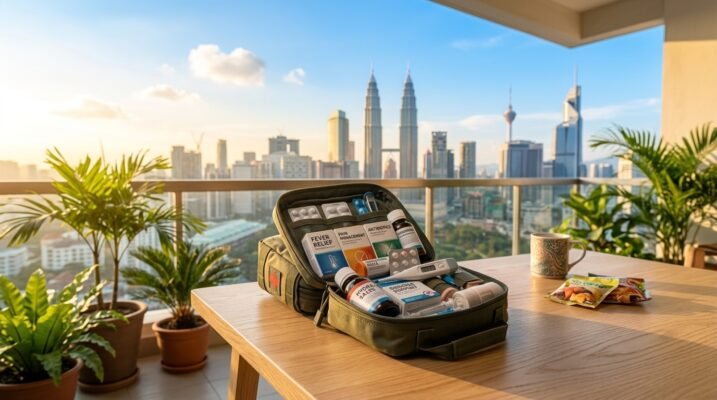
Complete Home Medical Kit for Malaysian Tropical Diseases | Emergency Preparedness
Reading Time: 5 minutes
Apr
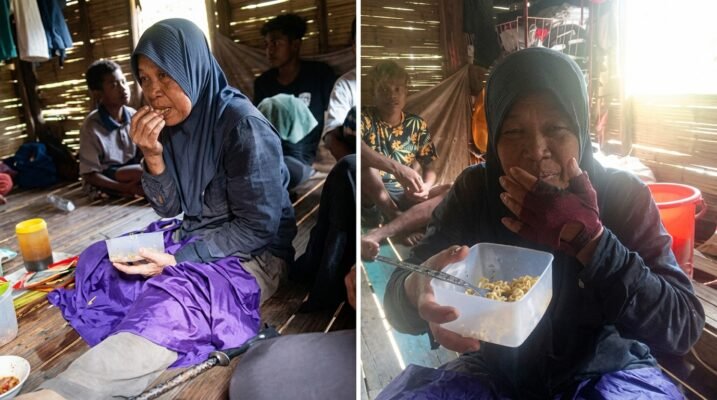
She Survived 14 Days Alone in the Jungle — Jaslinda’s Miracle Has a Lesson for Every Hiker
Reading Time: 6 minutes
Jun

Preparedness Through Gardening | Building Family Resilience Naturally
Reading Time: 4 minutes
Apr

Preparing for Tropical Diseases During Emergencies | Malaysian Family Guide
Reading Time: 4 minutes
Apr

Financial Preparedness for Malaysian Families | Cash, Inflation & Currency Protection
Reading Time: 5 minutes
Apr
South China Sea Geopolitical Crisis | How Malaysian Families Can Prepare
Reading Time: 5 minutes
Apr
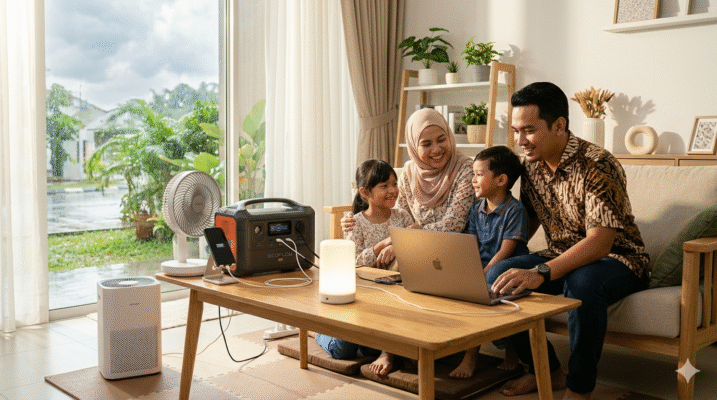
Blackout Ready: Why Every Malaysian Home Needs a Portable Power Station in 2026
Reading Time: 5 minutes
May

Emergency Lighting Guide for Malaysian Families | Blackout Preparedness
Reading Time: 5 minutes
May

Family Evacuation Plans in Urban Malaysia | Routes, Meeting Points & Communication
Reading Time: 5 minutes
Apr
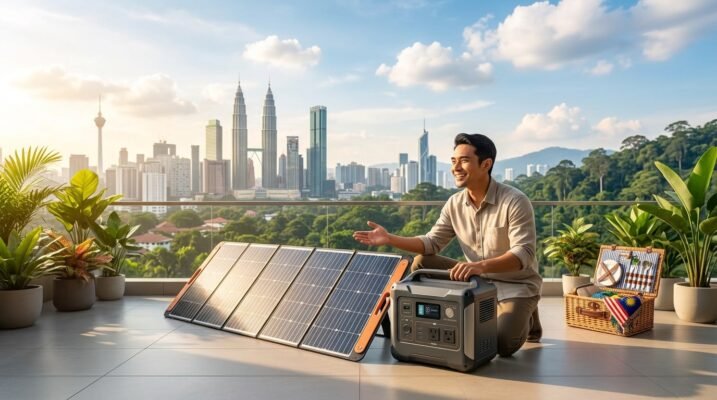

Home Solar Installation for Malaysian Families | Energy Independence Guide
Reading Time: 5 minutes
Apr
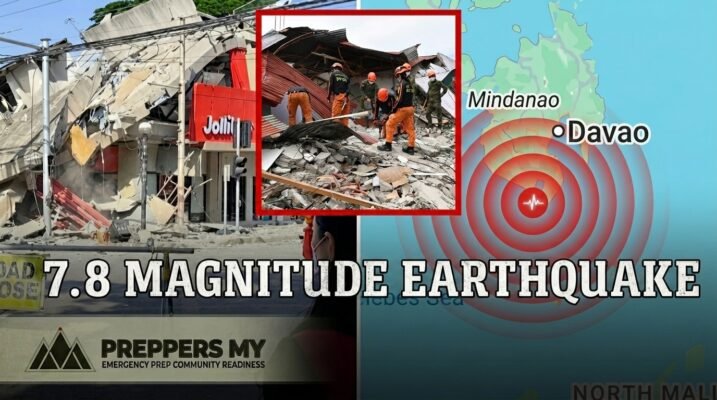
7.8 Earthquake Strikes Southern Philippines — What Malaysian Families Must Know Right Now
Reading Time: 4 minutes
Jun
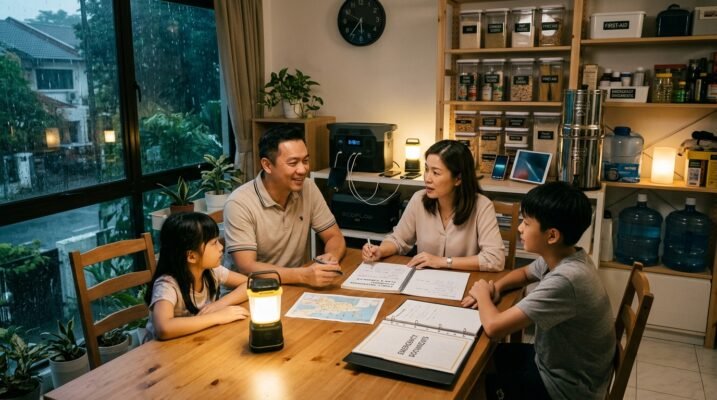
90-Day Preparedness Plan for Malaysian Families | Build Real Resilience
Reading Time: 3 minutes
May

Walkie-Talkie Buyer’s Guide for Malaysian Families | Emergency Communication
Reading Time: 6 minutes
Apr


Nik Muhammad Hafiz: Building Malaysia’s Preparedness Movement | Preppers MY
Reading Time: 4 minutes
May
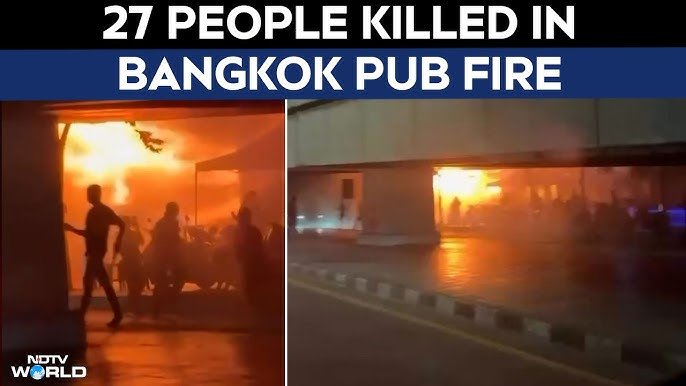
Bangkok Bar Fire: What Happened, and What It Teaches Malaysian Families About Venue Safety
Reading Time: 3 minutes
Jul
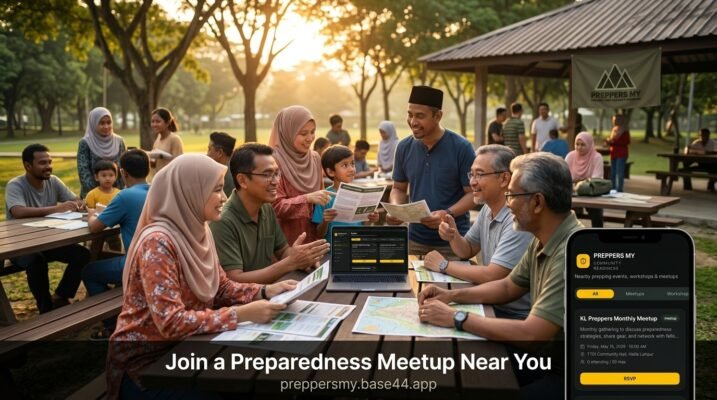
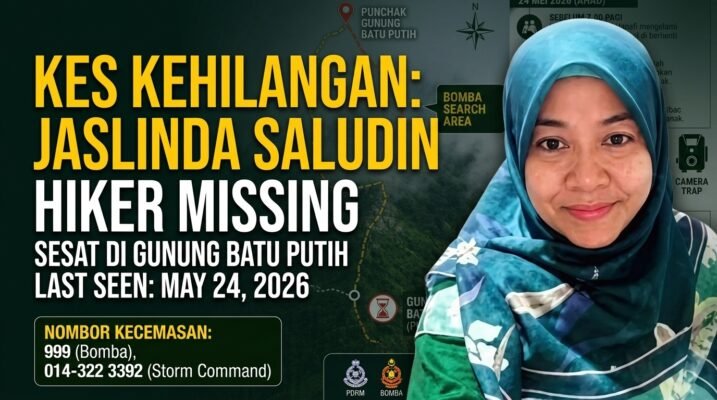
Lost in the Malaysian Jungle: Lessons from Jaslinda’s Disappearance at Gunung Batu Putih
Reading Time: 8 minutes
Jun
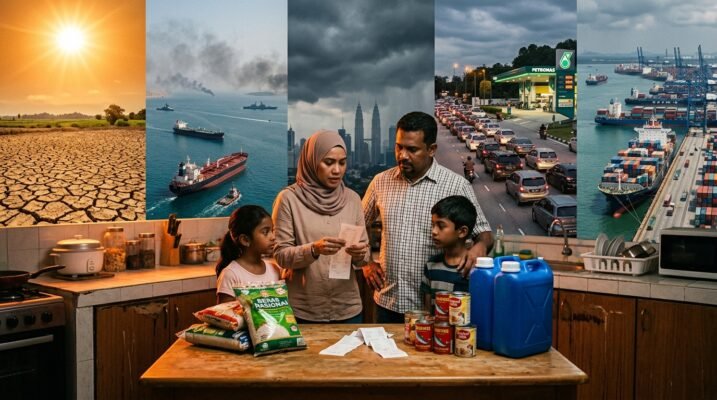
5 Economic Threats in 2026 That Could Change Your Life in Malaysia — And What to Do About It Now
Reading Time: 4 minutes
May

First Aid for Remote Areas in Malaysia | Austere Medicine Survival Guide
Reading Time: 5 minutes
Apr
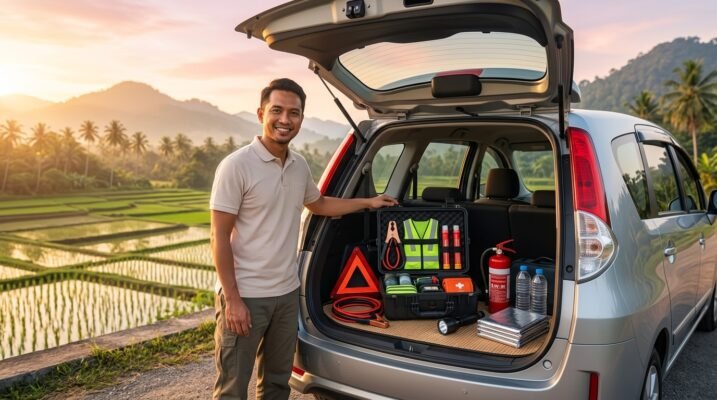
Car Emergency Kit for Malaysian Highways | Monsoon & Breakdown Preparedness
Reading Time: 4 minutes
Apr
Suggested Related Products