Emergency Scenarios
Monsoon & Flood Preparedness for Malaysian Homes | Survival Guide


 Share this Article:
Monsoon & Flood Preparedness for Malaysian Homes
Malaysia’s monsoon season brings devastating floods that kill dozens, displace thousands, and destroy homes every year. Yet most families are unprepared. This guide shows exactly what to do before, during, and after floods to protect your family and home.
What This Guide Covers
- How to prepare your home before flood season
- Water, food, medical, and power readiness
- Evacuation planning and emergency communication
- Flood recovery and sanitation protocols
Why Malaysian Floods Are Different
If you’ve never experienced a serious flood, it’s hard to imagine the chaos. Within hours, roads become rivers. Electricity fails. Water sources become contaminated. Food becomes scarce. Hospitals overflow. Entire neighborhoods transform into emergency zones.
Malaysia experiences two monsoon seasons: Southwest Monsoon (May–September) and Northeast Monsoon (November–March). But floods are no longer just seasonal inconveniences—they’re intensifying. Climate change means heavier rainfall, longer flooding duration, more flash floods, and greater landslide risk.
The 2014 floods affected over 600,000 Malaysians and caused billions in damage. The 2021 floods displaced even more families. Each major event reveals the same truth: families who prepare recover faster and suffer less.
Reality Check: Your home could flood. Roads may become impassable for days. Electricity may fail for a week. Clean water could become contaminated for weeks. This is not paranoia—it has already happened repeatedly across Malaysia.
Before the Monsoon Arrives
Home Hardening & Flood Protection
The best flood defense is prevention. Your home can be strengthened to reduce flood damage and improve survivability during emergencies.
- Check flood risk: Understand whether your area has flood history or drainage problems. Speak with neighbors and local authorities.
- Clear gutters and drains: Blocked drainage causes water accumulation around homes. Inspect monthly during monsoon season.
- Install check valves: Prevent sewage backup into your home during heavy flooding.
- Elevate electrical systems: Raise circuit breakers, electrical outlets, and appliances above expected flood levels.
- Seal cracks and openings: Water enters through the smallest gaps. Foundation sealing reduces intrusion risk.
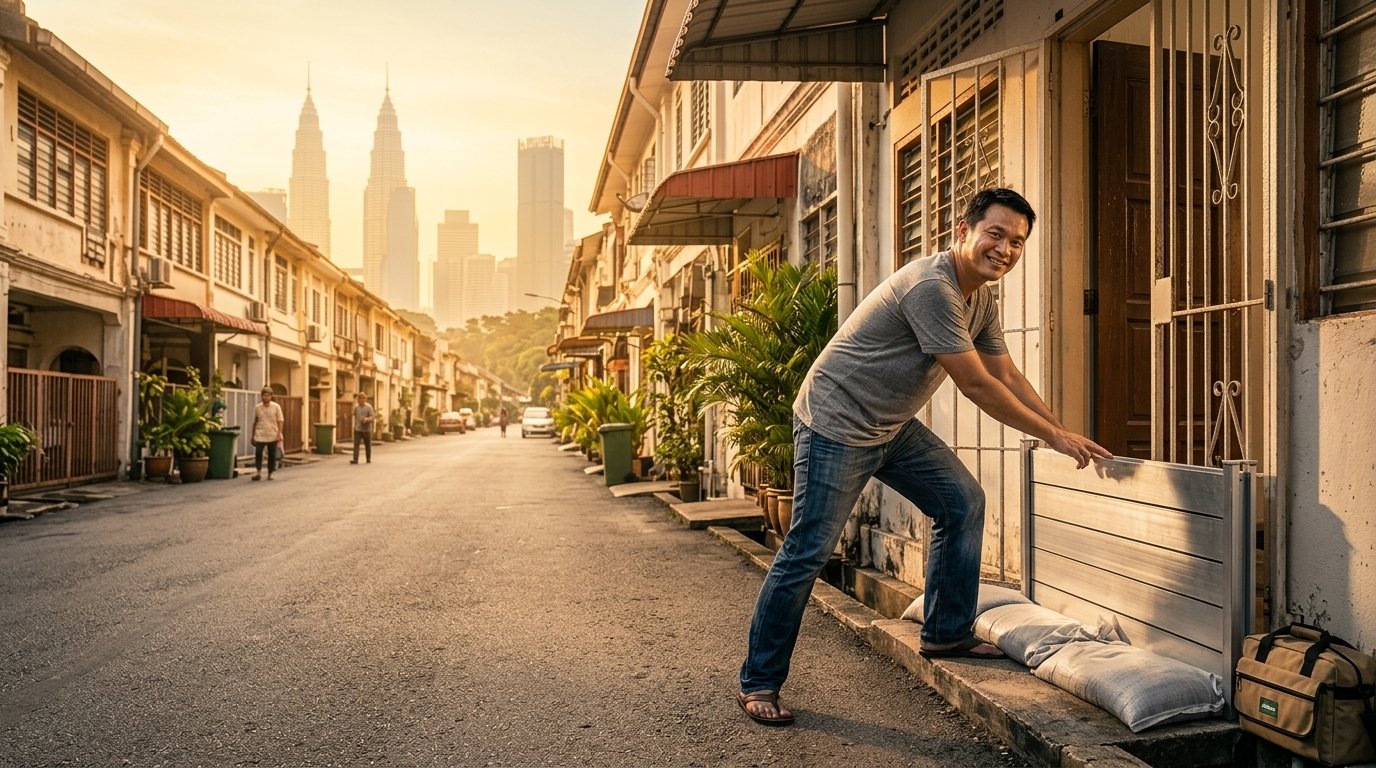
- Prepare sandbags or barriers: Temporary barriers can significantly reduce water entry through doors and low openings.
- Trim trees and loose branches: Floods combined with strong winds create dangerous debris hazards.
Water & Supply Preparation
- Store clean water: At least 30 liters minimum for short-term emergencies. More for larger families.
- Stock shelf-stable food: Rice, canned goods, noodles, powdered milk, biscuits, and foods your family already eats.
- Invest in water filtration: Gravity-fed filters become critical when municipal water systems fail.
- Keep purification tablets: Compact backup solution for emergency water treatment.
- Prepare cooking alternatives: Portable gas stoves and fuel cartridges help during blackouts.
Medical & Hygiene Preparation
- Build a complete first aid kit: Include antiseptics, wound care, antihistamines, anti-diarrheal medication, and fever control.
- Maintain prescription backup: Keep additional medication reserves whenever possible.
- Prepare mosquito protection: Flooded areas dramatically increase dengue and mosquito exposure.
- Store hygiene supplies: Soap, disinfectants, gloves, masks, and sanitary items are essential during flood recovery.
Documentation & Communication
- Protect important documents: Store copies of IDs, insurance, medical records, and property documents in waterproof containers.
- Create family communication plans: Establish meeting points and emergency contacts before disasters occur.
- Review insurance coverage: Understand what your policy actually covers before flood season begins.
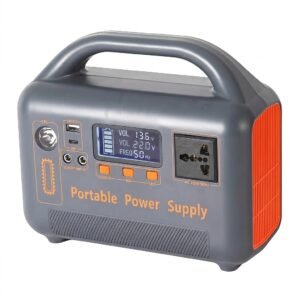
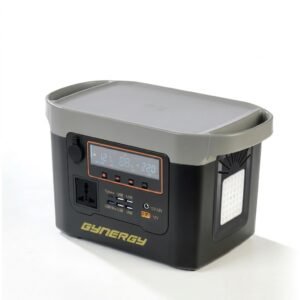
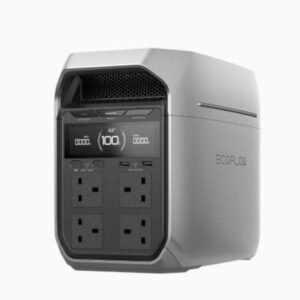
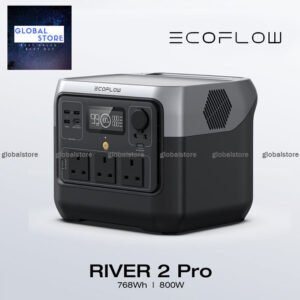
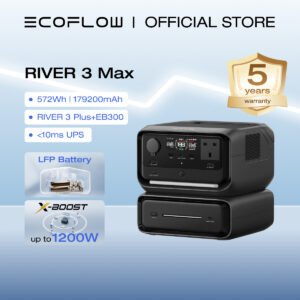
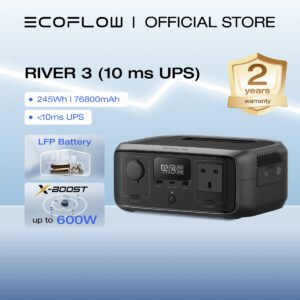
- Prepare backup charging: Solar power banks and battery systems keep communication alive during outages.
Pre-Monsoon Checklist
- Inspect flood risk around home
- Clear drains and gutters
- Prepare sandbags or barriers
- Store emergency water
- Stock 2+ weeks of food
- Check medical supplies
- Charge power banks
- Prepare emergency cash
- Create evacuation plan
- Protect important documents
During the Monsoon
When Flooding Becomes Likely
- Monitor weather updates constantly: Follow MetMalaysia and local emergency alerts.
- Move valuables to higher ground: Electronics, documents, medications, and sentimental items should be protected early.
- Fill available water containers: Bathtubs and buckets provide emergency utility water.
- Top up fuel and supplies: Petrol stations and stores may close unexpectedly.
- Charge all devices: Phones and communication equipment become critical lifelines.
- Prepare evacuation bags: Keep IDs, medications, chargers, and cash ready to move immediately.
When Evacuation Orders Arrive
Do not delay evacuation decisions. Flood situations can escalate extremely quickly.
- Leave early before roads become blocked
- Bring your emergency bag and documents
- Use official evacuation routes
- Avoid driving through floodwater
- Inform family of your location
- Move toward designated safe zones or higher ground
Important: Just 30cm of fast-moving floodwater can sweep vehicles away. Never underestimate moving water.
After the Flood
Immediate Recovery
- Wait for official clearance: Floodwater may hide electrical hazards, sewage contamination, and structural damage.
- Document all damage: Take photos and videos before cleanup for insurance and recovery claims.
- Wear protective gear: Gloves, boots, and masks reduce exposure to contaminated floodwater.
- Use safe water only: Boil or filter water before drinking or cooking.
Cleanup & Sanitation
- Remove water-damaged materials quickly: Mold develops rapidly in Malaysia’s heat and humidity.
- Disinfect contaminated surfaces: Floodwater often contains sewage and bacteria.
- Monitor health symptoms: Diarrhea, rashes, respiratory problems, and infections are common after floods.
- Discard unsafe food: Food touched by floodwater should not be consumed.
Long-Term Recovery
- Improve future preparedness: Learn from every flood event and strengthen weak points in your plan.
- Rebuild with flood resistance in mind: Use materials that tolerate water exposure better.
- Monitor mental health: Flood trauma affects both adults and children after disasters.
Essential Flood Preparedness Supplies
Recommended Monsoon Preparation Shopping List
- Water storage containers
- Gravity-fed water filter
- Water purification tablets
- 2-week food supply
- First aid and hygiene supplies
- Mosquito repellent and nets
- Portable gas stove and fuel
- Solar power bank and flashlights
- Sandbags or flood barriers
- Waterproof document container
- Cleaning and disinfecting supplies
- Protective gloves, masks, and boots
Malaysian Emergency Resources
- MetMalaysia: Official weather and flood alerts
- NADMA: National Disaster Management Agency
- Local State Disaster Offices: Area-specific flood support and evacuation updates
- Insurance Council Malaysia: Insurance information and flood coverage guidance
Final Thoughts
Floods will happen again. The question is not whether they return—but whether your family will be ready when they do.
Families who prepare ahead of time reduce panic, protect more of what matters, and recover faster. Preparedness does not eliminate disasters, but it dramatically improves your ability to survive them safely.
You still have time before the next major monsoon season. Use it wisely. Strengthen your home. Store supplies. Build your emergency plan now—not during the flood itself.
Download Your Free Monsoon Preparedness Checklist
Printable checklist covering pre-monsoon, flood response, evacuation planning, and recovery phases designed specifically for Malaysian conditions.
Download Free Resources
Prepare before the rain comes.
By Dr. Preppers, your emergency preparedness guide.
Presented by Preppers MY · www.preppersmy.com
Suggested Reads
Car Emergency Kit for Malaysian Highways | Monsoon & Breakdown Preparedness
Reading Time: 4 minutes
Apr

Home Solar Installation for Malaysian Families | Energy Independence Guide
Reading Time: 5 minutes
Apr
Lost in the Malaysian Jungle: Lessons from Jaslinda’s Disappearance at Gunung Batu Putih
Reading Time: 8 minutes
Jun
Water Purification for Tropical Climates | Safe Drinking Water Guide for Malaysia
Reading Time: 4 minutes
Apr
Building Prepper Community in Malaysia | Resilience Through Neighbours & Local Networks
Reading Time: 5 minutes
Apr

Nik Muhammad Hafiz: Building Malaysia’s Preparedness Movement | Preppers MY
Reading Time: 4 minutes
May
South China Sea Geopolitical Crisis | How Malaysian Families Can Prepare
Reading Time: 5 minutes
Apr
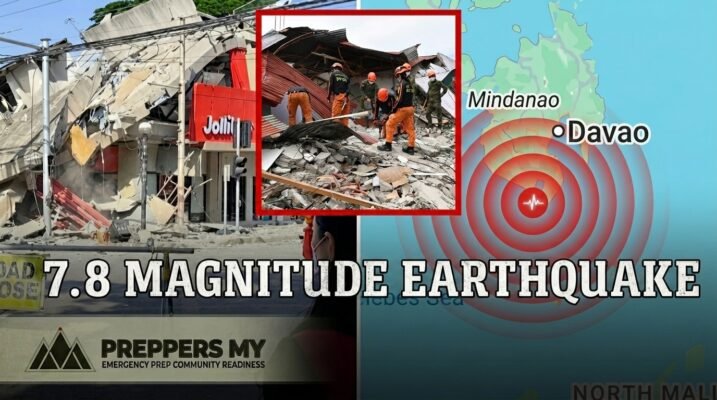
7.8 Earthquake Strikes Southern Philippines — What Malaysian Families Must Know Right Now
Reading Time: 4 minutes
Jun

Emergency Lighting Guide for Malaysian Families | Blackout Preparedness
Reading Time: 5 minutes
May

Complete Home Medical Kit for Malaysian Tropical Diseases | Emergency Preparedness
Reading Time: 5 minutes
Apr
Home Water Storage in High Humidity Environments | Malaysian Water Guide
Reading Time: 5 minutes
Apr
Blackout Ready: Why Every Malaysian Home Needs a Portable Power Station in 2026
Reading Time: 5 minutes
May
Preparing for Tropical Diseases During Emergencies | Malaysian Family Guide
Reading Time: 4 minutes
Apr
She Survived 14 Days Alone in the Jungle — Jaslinda’s Miracle Has a Lesson for Every Hiker
Reading Time: 6 minutes
Jun
Water Filter Comparison for Malaysian Water Sources | Best Emergency Filters
Reading Time: 5 minutes
Apr

From Viral Videos to Community Awareness | Building Preparedness in Malaysia
Reading Time: 3 minutes
May

Walkie-Talkie Buyer’s Guide for Malaysian Families | Emergency Communication
Reading Time: 6 minutes
Apr
Family Evacuation Plans in Urban Malaysia | Routes, Meeting Points & Communication
Reading Time: 5 minutes
Apr
72-Hour Bug Out Bag for Malaysian Families | Tropical-Ready Evacuation Guide
Reading Time: 6 minutes
Apr

Physical Fitness for Preppers | Tropical Climate Training for Malaysian Families
Reading Time: 5 minutes
Apr
5 Economic Threats in 2026 That Could Change Your Life in Malaysia — And What to Do About It Now
Reading Time: 4 minutes
May
Suggested Related Products