Survival Skills
Emergency Shelter Building in Tropical Rainforest | Malaysian Jungle Survival Guide


 Share this Article:
Emergency Shelter Building in Tropical Rainforest
In Malaysia’s jungle, shelter is not just about staying dry. It protects against rain, heat, humidity, insects, leeches, fungal infection, and psychological exhaustion. This guide explains practical shelter systems designed for tropical rainforest conditions.
What This Guide Covers
- Why tropical shelter differs from cold-climate survival
- A-frame and lean-to shelter construction
- Moisture, insect, and terrain-specific adaptations
- Shelter kits, tarp selection, and practice protocols
Why Tropical Shelter Is Different
Many survival guides are written for cold or temperate environments. In those settings, shelter often focuses on retaining heat, blocking wind, and insulating against cold ground.
In Malaysia’s rainforest, the problem is different. Your shelter must manage constant moisture, heavy rain, high humidity, insect exposure, and heat buildup while still keeping you protected at night.
Tropical shelter is not simply a roof. It is a system for airflow, dryness, insect control, elevation, and psychological stability.
- Insect-borne disease: Mosquitoes, leeches, wasps, and other pests can turn exposure into illness.
- Moisture damage: Constant dampness causes fungal infection, skin breakdown, and infected wounds.
- Night cooling: Even tropical nights can feel cold when clothing and ground layers are wet.
- Heat exhaustion: Direct sun, poor airflow, and humidity can overwhelm the body.
- Mental fatigue: Rain, insects, darkness, and isolation can break morale quickly.
Malaysian Jungle Reality: In tropical survival, shelter prevents more than rain exposure. It reduces infection risk, insect exposure, heat stress, poor sleep, and the psychological collapse that comes from being constantly wet and uncomfortable.
Core Principles for Tropical Shelter
- Block insects: Use netting, smoke, clothing barriers, and good site selection.
- Manage moisture: Rain must shed away from the shelter and not pool under your sleeping area.
- Promote airflow: Ventilation prevents condensation, overheating, and mold growth.
- Get off the ground: Elevation reduces contact with leeches, snakes, damp soil, and crawling insects.
- Create shade without trapping heat: Shade matters, but airflow matters just as much.
- Avoid wildlife pathways: Do not build on animal trails, near nests, or inside dense debris piles.
Shelter Type 1: Tarp A-Frame
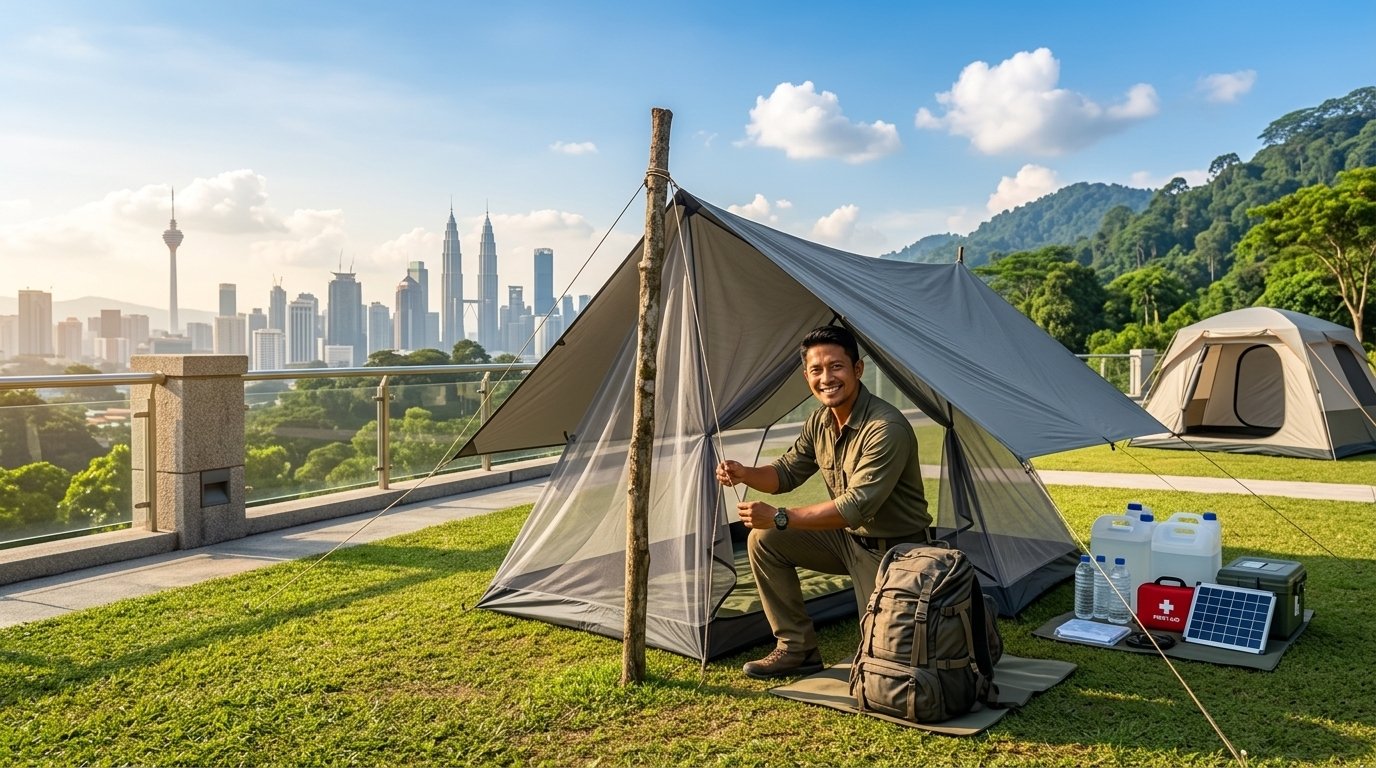
A tarp A-frame is one of the fastest and most practical emergency shelters for Malaysian conditions. It can be built quickly using a tarp, cordage, stakes, and two anchor points.
Tarp A-Frame: Step-by-Step
What You Need: Tarp, rope or paracord, stakes or natural anchors, and two trees or poles.
Step 1 — Select Location: Choose elevated ground, away from water channels, dead branches, ant nests, and animal paths.
Step 2 — Set Ridgeline: Tie rope between two trees at around waist to chest height.
Step 3 — Drape Tarp: Place the tarp over the ridgeline evenly.
Step 4 — Anchor Corners: Pull all corners tight and stake them down so rainwater sheds quickly.
Step 5 — Manage Entrance: Keep an opening for airflow but reduce gaps during peak insect hours.
Step 6 — Add Ventilation: Avoid fully sealing both ends. Airflow reduces condensation and heat buildup.
Tropical Improvements for A-Frame Shelters
- Add mosquito netting: Protect the sleeping zone during dusk and dawn.
- Elevate the sleeping area: Use branches, leaves, a groundsheet, or hammock if available.
- Dig shallow drainage channels: Redirect rainwater away from the shelter.
- Create a shade layer: A second layer above the tarp reduces heat absorption.
- Keep dry clothing protected: Night comfort depends on keeping at least one dry layer.
Shelter Type 2: Lean-To Shelter
A lean-to is simpler than an A-frame and can be built with natural materials when no tarp is available. It is less protective during heavy rain but still useful for short-term survival.
Lean-To: Building Steps
What You Need: A ridgeline branch or two supports, smaller branches, palm fronds, leaves, vines, or rope.
Step 1: Set or find a horizontal support between two trees.
Step 2: Lean branches against the support to form a sloping roof frame.
Step 3: Layer leaves or palm fronds thickly from bottom to top like roof shingles.
Step 4: Face the open side away from wind and heavy rain direction.
Step 5: Build a raised sleeping layer using branches, leaves, or packed vegetation.
Lean-To Tropical Modifications
- Use thick roof layers: Thin leaf cover leaks quickly during Malaysian rain.
- Increase roof angle: A steeper slope drains water faster.
- Leave airflow: Do not seal the shelter so tightly that heat and moisture accumulate.
- Build above drainage paths: Avoid low areas where runoff will flow overnight.
Moisture Management
Malaysia’s humidity can make even a covered shelter feel wet. Condensation, sweat, damp ground, and rain spray all contribute to discomfort and infection risk.
How to Reduce Moisture Damage
- Ventilate constantly: Cross-breeze helps dry skin, clothing, and bedding.
- Raise your sleeping area: Keep your body away from damp soil.
- Change wet clothes: Keep one dry layer protected for night use.
- Dry gear when sunlight appears: Even short periods of morning sun help.
- Inspect your feet and skin: Treat small cuts, blisters, and fungal signs early.
Insect Prevention Strategy
Mosquito Protection
- Use mosquito netting: Create a protected sleeping zone.
- Know peak hours: Dawn and dusk are high-risk periods.
- Apply repellent: Use suitable insect repellent on exposed skin.
- Use smoke carefully: Smoke may reduce insects but must be managed safely.
Leech Prevention
- Elevate your sleeping area: Leeches come from wet ground and vegetation.
- Inspect bedding: Check before lying down.
- Use barriers: Clothing, repellent, and dry ground layers help reduce exposure.
- Keep entrances controlled: Wide open gaps invite crawling pests.
Snake & Centipede Prevention
- Clear the immediate area: Remove debris, food scraps, and hiding places.
- Avoid nests and animal paths: Good site selection prevents many problems.
- Look before reaching: Do not blindly place hands under logs, rocks, or leaves.
- Keep gear organised: Shake out shoes and clothing before use.
Shelter Tarp Selection
A tarp is one of the most useful emergency shelter tools for Malaysian conditions. It can become a roof, groundsheet, windbreak, rain collector, privacy screen, or gear cover.
Choosing a Survival Tarp
Size: Minimum 3m × 3m for one to two people.
Material: Durable waterproof material with reinforced tie points.
Grommets: Strong tie-off points reduce tearing in heavy rain and wind.
Colour: Earth tones blend better; brighter colours may help signalling.
Maintenance: Store dry, check for mold, and test for leaks before relying on it.
Shelter in Malaysian Terrain
Deep Jungle
- Prioritise drainage, mosquito protection, and overhead hazard checks.
- Use trees for ridgelines but inspect for dead branches.
- Expect heavy insects, constant moisture, and low visibility.
Secondary Growth
- Vegetation may be dense but trees may be smaller.
- Lean-to shelters and low tarp setups may work better.
- Watch for wasps, ants, and sharp vegetation.
Riverine Areas
- Do not camp near current water level.
- Flash rises can happen quickly during rain.
- Expect more mosquitoes and damp ground near water.
Shelter Construction Kit
Minimum Shelter Kit
- 3m × 3m tarp
- 20m paracord or rope
- 6–8 stakes or pegs
- Mosquito net
- Groundsheet or emergency blanket
- Carabiners or clips
- Knife or multitool
- Waterproof storage bag
Practice Before You Need It
Emergency shelter building is harder when you are wet, tired, injured, or scared. Practice before you need the skill.
- Practice in your yard: Learn how your tarp folds, ties, and anchors.
- Practice in rain: Understand drainage and leaks.
- Practice in low light: Real emergencies often happen at the wrong time.
- Time yourself: Aim to build a basic shelter within 20–30 minutes.
- Test for leaks: Find weak points before relying on the shelter outdoors.
If You Have No Gear
- Get off the ground: Build a basic platform using branches and leaves.
- Create rain cover: Use palm fronds, large leaves, and branches layered thickly.
- Reduce insects: Use smoke if safe and cover exposed skin.
- Control wind and water: Face openings away from rain and dig small drainage paths.
Final Reality
Shelter buys time. It protects your body, lowers infection risk, improves sleep, and preserves morale.
But shelter is not the destination. It is a survival tool that helps you stabilise, rest, signal, plan, and move toward rescue or safety.
The Shelter Principle: Build shelter to survive the immediate crisis, but keep working toward rescue, communication, or safe movement.
Get Your Shelter Building Quick-Reference Guide
Illustrated guide for A-frame and lean-to construction, tarp tie-offs, knot diagrams, tropical modifications, and shelter location checklist.
Download Free Resources
Build fast, stay dry, keep airflow moving.
By Dr. Preppers, your emergency preparedness guide.
Presented by Preppers MY · www.preppersmy.com
Suggested Reads

7.8 Earthquake Strikes Southern Philippines — What Malaysian Families Must Know Right Now
Reading Time: 4 minutes
Jun

Water Purification for Tropical Climates | Safe Drinking Water Guide for Malaysia
Reading Time: 4 minutes
Apr

Preparedness Through Gardening | Building Family Resilience Naturally
Reading Time: 4 minutes
Apr
72-Hour Bug Out Bag for Malaysian Families | Tropical-Ready Evacuation Guide
Reading Time: 6 minutes
Apr

Complete Home Medical Kit for Malaysian Tropical Diseases | Emergency Preparedness
Reading Time: 5 minutes
Apr

From Viral Videos to Community Awareness | Building Preparedness in Malaysia
Reading Time: 3 minutes
May
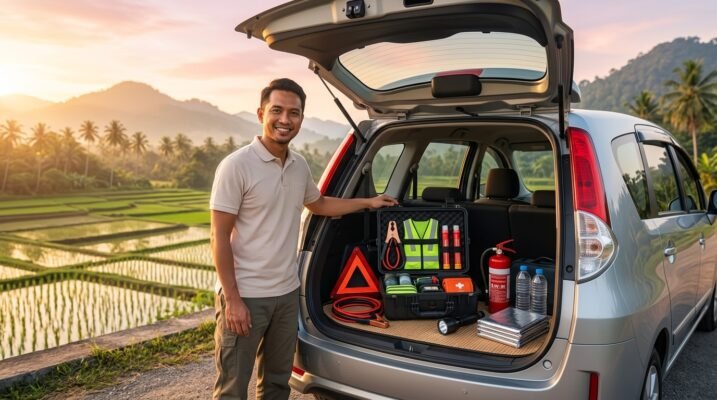
Car Emergency Kit for Malaysian Highways | Monsoon & Breakdown Preparedness
Reading Time: 4 minutes
Apr

Walkie-Talkie Buyer’s Guide for Malaysian Families | Emergency Communication
Reading Time: 6 minutes
Apr
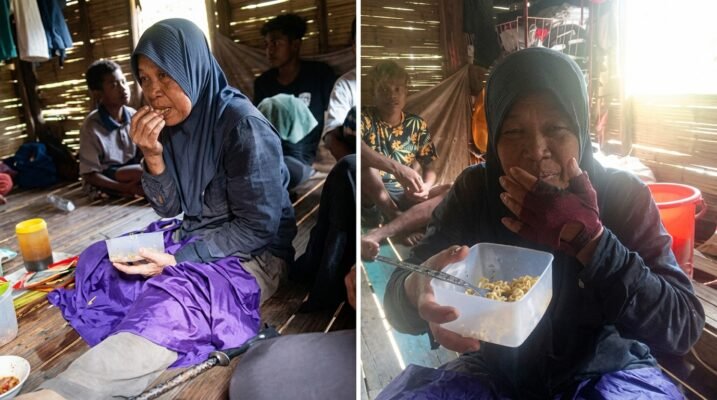
She Survived 14 Days Alone in the Jungle — Jaslinda’s Miracle Has a Lesson for Every Hiker
Reading Time: 6 minutes
Jun
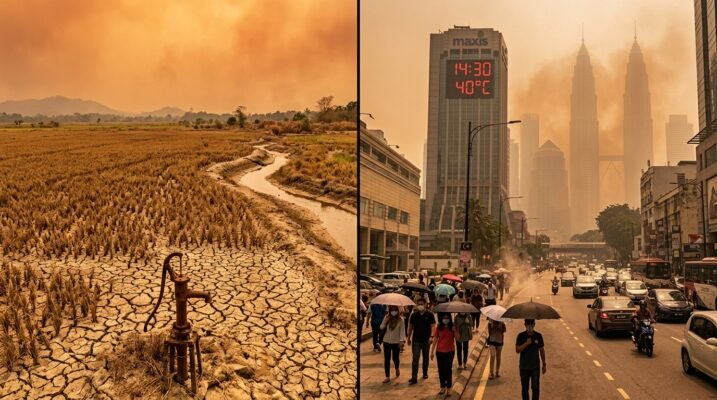
El Niño Is Coming Back — And This Time, It Could Be the Worst Malaysia Has Ever Seen
Reading Time: 5 minutes
May
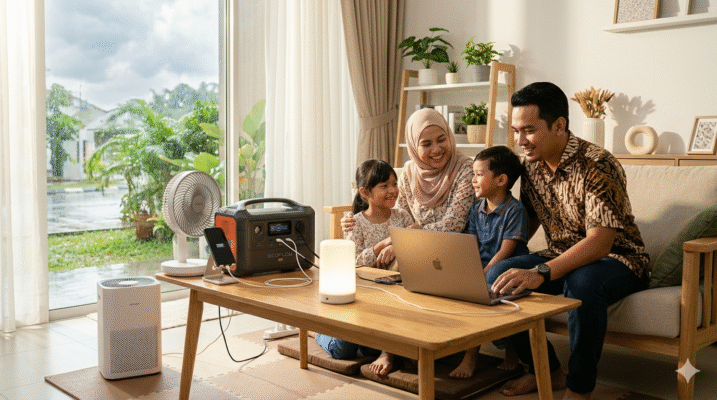
Blackout Ready: Why Every Malaysian Home Needs a Portable Power Station in 2026
Reading Time: 5 minutes
May
Bangkok Bar Fire: What Happened, and What It Teaches Malaysian Families About Venue Safety
Reading Time: 3 minutes
Jul

Family Evacuation Plans in Urban Malaysia | Routes, Meeting Points & Communication
Reading Time: 5 minutes
Apr
90-Day Preparedness Plan for Malaysian Families | Build Real Resilience
Reading Time: 3 minutes
May

Nik Muhammad Hafiz: Building Malaysia’s Preparedness Movement | Preppers MY
Reading Time: 4 minutes
May

Physical Fitness for Preppers | Tropical Climate Training for Malaysian Families
Reading Time: 5 minutes
Apr

Home Solar Installation for Malaysian Families | Energy Independence Guide
Reading Time: 5 minutes
Apr

Financial Preparedness for Malaysian Families | Cash, Inflation & Currency Protection
Reading Time: 5 minutes
Apr
Preparing for Tropical Diseases During Emergencies | Malaysian Family Guide
Reading Time: 4 minutes
Apr

Building Prepper Community in Malaysia | Resilience Through Neighbours & Local Networks
Reading Time: 5 minutes
Apr
Suggested Related Products