Featured Prepper
From Classroom to Water Independence | Building a 6-Month Water Supply in Malacca


 Share this Article:
From Classroom to Water Independence
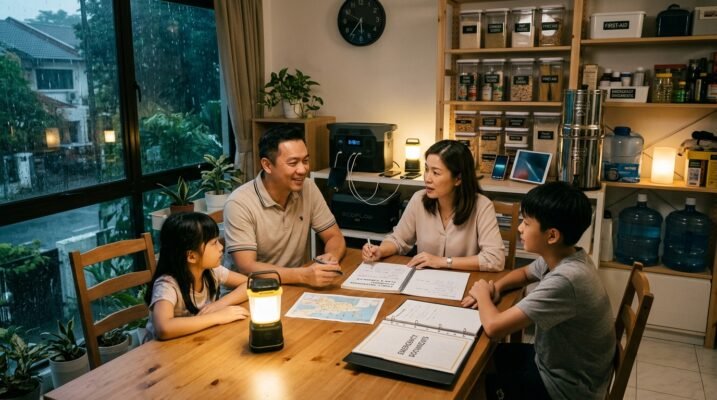
Lydia teaches daily, manages two children, and runs a busy household in Malacca. After a water disruption exposed how fragile normal supply can be, she built a practical family water storage system step by step — without plumbing experience, extreme spending, or turning her home into a warehouse.
What This Story Shows
- How a regular family can build water security gradually
- Why distributed storage works better than one giant tank
- How to combine tanks, jerrycans, rainwater, and household routines
- Why maintenance and rotation matter more than perfection
The Wake-Up Call: When Malacca Ran Dry
It began as a small inconvenience. Water pressure dropped. At first, Lydia assumed it was routine maintenance. Then the disruption continued, and news of supply stress spread through the community.
Neighbours had stored drums. Some families bought bottled water in bulk. Lydia realised her household had no real backup. For a teacher, mother, and organised person, that was a difficult moment.
That moment changed her thinking. Water storage became less about fear and more about responsibility. Over the next six months, Lydia built a household system that gave her family confidence during future disruptions.
Preparedness Principle: Water independence does not need to begin with a huge tank. It begins with one clear calculation, one storage point, and one repeatable maintenance habit.
Starting From Zero
Lydia did not have special training. She was not a plumber. She had limited time, a family schedule, and a normal Malaysian home with limited space. Her husband was initially unsure whether the effort was necessary.
Instead of trying to solve everything at once, she broke the problem into phases: first 30 days, then 90 days, then long-term storage with rainwater and greywater support.
Lydia’s Planning Formula
People × litres per day × number of days = water target.
For a family of four, even a modest target adds up quickly. Lydia used the calculation to plan gradually instead of guessing.
Phase 1: The First 30 Days
Lydia started with simple, affordable storage. Her goal was not a perfect system. Her goal was to make sure her family had immediate backup if taps stopped running.
What She Bought
- Food-grade water containers
- 20L jerrycans for easy movement
- Simple tap or valve fittings
- Labels and permanent marker
- Basic water treatment or preservative where appropriate
Where She Stored It
- Shaded porch corner
- Garage storage area
- Under-stairs storage
- Neatly stacked jerrycans for rotation
The key was discretion and order. Containers were shaded, labelled, and kept out of daily pathways. Her home still looked normal, but her family now had a buffer.
The Critical Step: Maintenance
Stored water must be managed. Lydia labelled every container with the filling date, checked for smell or cloudiness, and rotated stored water into household use or garden use before refilling.
Phase 2: Expanding to 90 Days
Once the first stage felt normal, Lydia added capacity without filling the house with large tanks. She diversified: some containers for drinking, some for washing, some for emergency toilet use, and some for rainwater support.
- Rainwater catchment: A simple gutter diverter feeding into storage.
- More jerrycans: Smaller containers are easier to move, hide, and rotate.
- Bathtub storage liner: Useful during known disruptions for toilet flushing and cleaning water.
- Rinse-water awareness: Reusing some non-drinking water for cleaning and plants where safe.
Why Distributed Storage Works
- One leak does not destroy the whole supply.
- Smaller containers are easier to move.
- Storage can be hidden in normal household spaces.
- Different water types can be assigned different uses.
- Rotation becomes easier when containers are labelled.
Phase 3: Long-Term Water Security
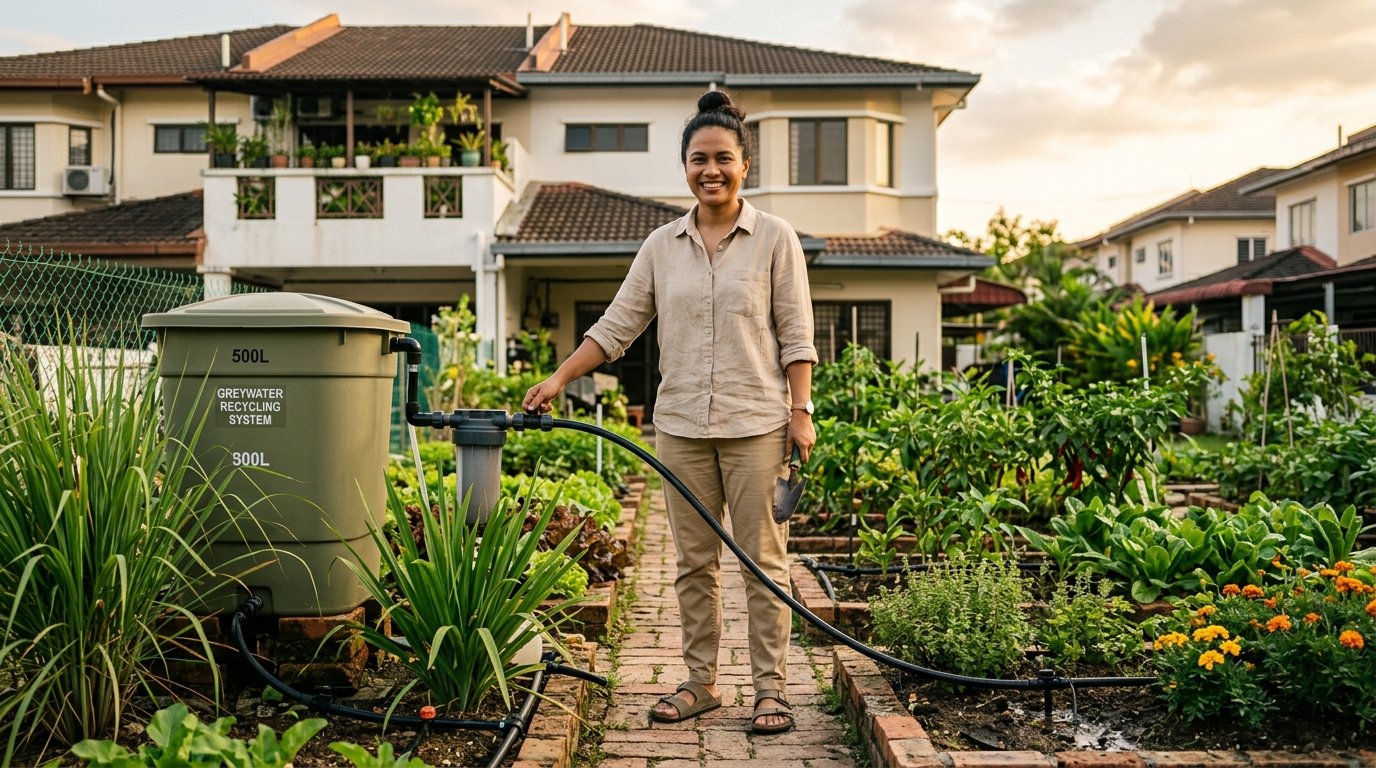
By the final stage, Lydia had created a system: tanks for bulk storage, jerrycans for access and rotation, rainwater support for non-drinking needs, and a simple maintenance rhythm.
Strategic Additions
- Second rainwater tank: More backup during wet months.
- Basic greywater system: Reusing selected water for garden use.
- Additional jerrycans: Distributed through closets, garage, and under-stairs areas.
- Water testing kit: Added confidence and accountability.
Lydia’s Final Storage Logic
- Primary water: Clean water for drinking and cooking.
- Secondary water: Stored water for washing and hygiene.
- Rainwater: Backup for cleaning, garden, and non-drinking uses unless properly treated.
- Emergency water: Small containers distributed throughout the home.
- Toilet/cleaning reserve: Temporary storage during known disruption periods.
The System Today
Eighteen months later, water storage is no longer a special project. It is part of Lydia’s household rhythm.
Monthly Routine
- Week 1: Check tank levels, clarity, smell, and container condition.
- Week 2: Rotate one section of jerrycans.
- Week 3: Clean filter screens and inspect rainwater flow.
- Week 4: Review labels, refill gaps, and update the family checklist.
What Changed for Her Family
- Water awareness: Her children understand that clean water is not automatic.
- Confidence: News of future disruptions no longer creates panic.
- Community: Neighbours now ask Lydia how to start their own systems.
- Practical savings: A basic system can cost less than repeated panic-buying during shortages.
Lydia’s Achievement: She built a practical family water system gradually, without professional installation or extreme spending. Her advantage was discipline, not complexity.
What Lydia Learned
Key Lessons
- Start small: First build a few days, then a few weeks, then longer-term security.
- Distribute storage: Use closets, shaded corners, garage areas, and under-stairs spaces.
- Label everything: Dates prevent confusion and poor rotation.
- Maintain regularly: Simple monthly checks beat expensive systems that are ignored.
- Diversify sources: Stored tap water, rainwater, and non-drinking reserves each have a role.
- Teach the family: Children can help check labels, count containers, and understand water use.
- Share knowledge: Community resilience grows when one household teaches another.
Why Lydia’s Story Matters
Lydia is not a survivalist. She is a teacher and mother who recognised a real household vulnerability and fixed it step by step. That is what practical preparedness looks like.
Her story matters because it removes excuses. You do not need to be rich. You do not need plumbing experience. You do not need a huge compound. You need a calculation, a plan, containers, maintenance, and a willingness to begin.
Ready to Build Your Family’s Water Security?
Download the water storage calculator, phased storage plan, and maintenance checklist to build a practical water system for Malaysian homes.
Get Lydia’s Free Water Plan
Store water before the tap teaches you why.
By Dr. Preppers, your emergency preparedness guide.
Presented by Preppers MY · www.preppersmy.com
Suggested Reads
Water Filter Comparison for Malaysian Water Sources | Best Emergency Filters
Reading Time: 5 minutes
Apr
72-Hour Bug Out Bag for Malaysian Families | Tropical-Ready Evacuation Guide
Reading Time: 6 minutes
Apr
Complete Home Medical Kit for Malaysian Tropical Diseases | Emergency Preparedness
Reading Time: 5 minutes
Apr
Water Purification for Tropical Climates | Safe Drinking Water Guide for Malaysia
Reading Time: 4 minutes
Apr
Home Water Storage in High Humidity Environments | Malaysian Water Guide
Reading Time: 5 minutes
Apr
She Survived 14 Days Alone in the Jungle — Jaslinda’s Miracle Has a Lesson for Every Hiker
Reading Time: 6 minutes
Jun
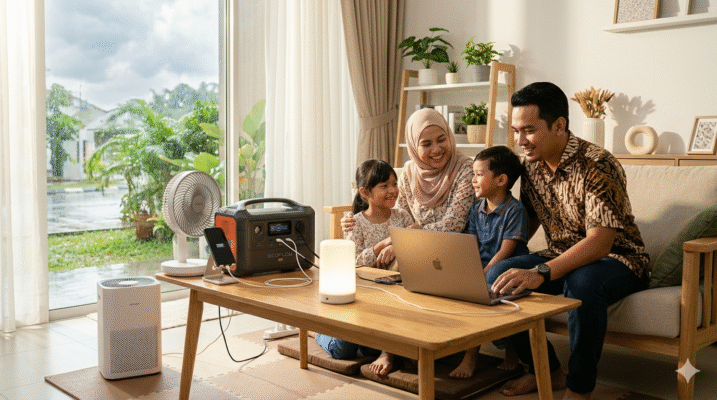
Blackout Ready: Why Every Malaysian Home Needs a Portable Power Station in 2026
Reading Time: 5 minutes
May

Home Solar Installation for Malaysian Families | Energy Independence Guide
Reading Time: 5 minutes
Apr

Preparedness Through Gardening | Building Family Resilience Naturally
Reading Time: 4 minutes
Apr

Family Evacuation Plans in Urban Malaysia | Routes, Meeting Points & Communication
Reading Time: 5 minutes
Apr
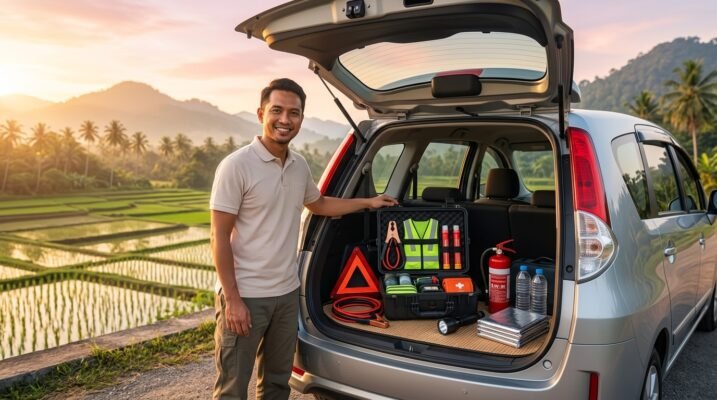
Car Emergency Kit for Malaysian Highways | Monsoon & Breakdown Preparedness
Reading Time: 4 minutes
Apr
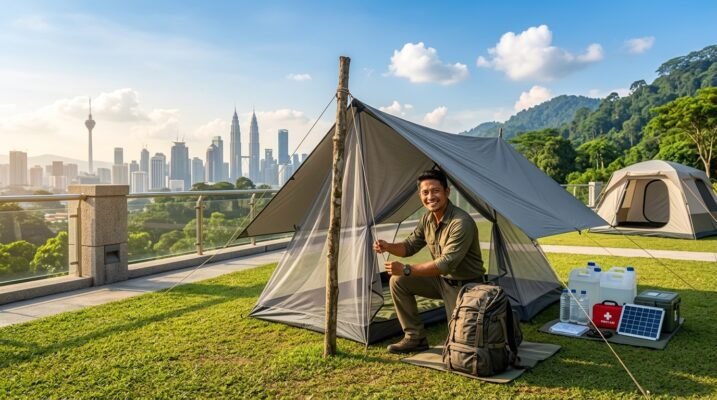
Emergency Shelter Building in Tropical Rainforest | Malaysian Jungle Survival Guide
Reading Time: 5 minutes
Apr

Building Prepper Community in Malaysia | Resilience Through Neighbours & Local Networks
Reading Time: 5 minutes
Apr

Nik Muhammad Hafiz: Building Malaysia’s Preparedness Movement | Preppers MY
Reading Time: 4 minutes
May

From Viral Videos to Community Awareness | Building Preparedness in Malaysia
Reading Time: 3 minutes
May

7.8 Earthquake Strikes Southern Philippines — What Malaysian Families Must Know Right Now
Reading Time: 4 minutes
Jun

First Aid for Remote Areas in Malaysia | Austere Medicine Survival Guide
Reading Time: 5 minutes
Apr



Bangkok Bar Fire: What Happened, and What It Teaches Malaysian Families About Venue Safety
Reading Time: 3 minutes
Jul

Emergency Lighting Guide for Malaysian Families | Blackout Preparedness
Reading Time: 5 minutes
May

Physical Fitness for Preppers | Tropical Climate Training for Malaysian Families
Reading Time: 5 minutes
Apr

Walkie-Talkie Buyer’s Guide for Malaysian Families | Emergency Communication
Reading Time: 6 minutes
Apr
Suggested Related Products