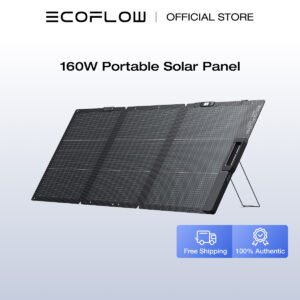
Featured Services
Home Solar Installation for Malaysian Families | Energy Independence Guide


 Share this Article:
Home Solar Installation for Malaysian Families
Home solar is preparedness with a financial return. For Malaysian households, solar can reduce long-term electricity costs, protect against rate increases, and provide a stronger backup plan when paired with batteries or portable power systems.
What This Guide Covers
- How home solar works in simple terms
- Grid-tied vs hybrid solar systems
- Installation steps, approvals, and cost ranges
- Financial returns, maintenance, and preparedness benefits
- Common concerns Malaysian homeowners ask before installing
Why Solar Matters for Malaysian Preparedness
Malaysia has strong year-round sunlight. Yet most families remain fully dependent on the central electricity grid for lighting, refrigeration, fans, water pumps, communications, and daily comfort.
Home solar changes the household equation. Instead of only consuming power, your home begins producing part of its own energy. With the right system, this can reduce monthly electricity bills and strengthen your family’s ability to handle outages or rate increases.
Preparedness Principle: Solar is not only about saving money. It is about reducing dependence on one fragile system and giving your family more options during disruption.
How Home Solar Works
The Basic Components
- Solar panels: Installed on the roof or another suitable area to convert sunlight into DC electricity.
- Inverter: Converts DC electricity into AC electricity that household appliances use.
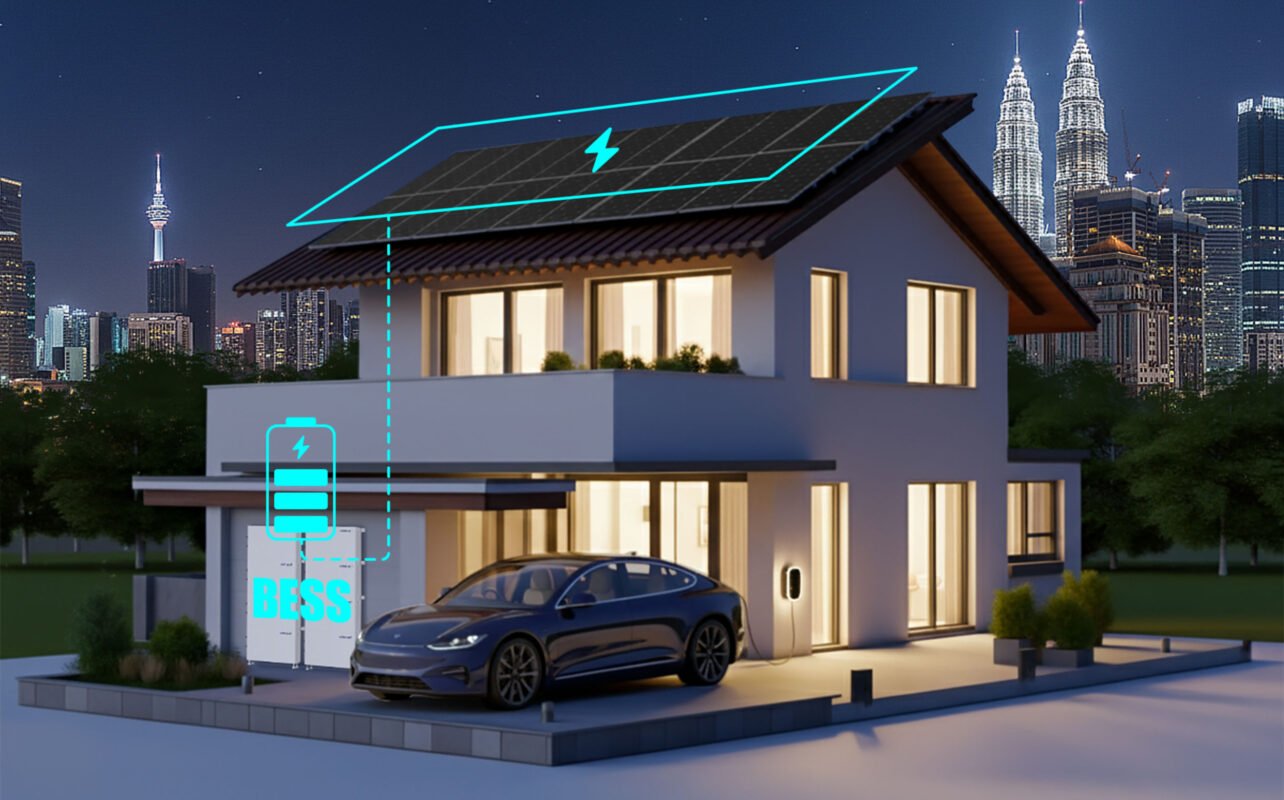
- Battery storage: Optional, but important for backup power and preparedness.
- Mounting and wiring: Secures the system safely and connects it to your home electrical setup.
- Monitoring system: Allows you to track production, usage, and performance through an app or dashboard.
How It Works During the Day
- Morning to noon: Panels begin generating power as sunlight increases.
- Afternoon: Solar generation usually peaks. Excess power may support the grid or charge batteries depending on your system.
- Evening and night: The home uses grid power or battery power, depending on setup.
- Cloudy days: Output drops, but panels may still generate some electricity.
Grid-Tied vs Hybrid Systems
- Grid-tied system: Lower upfront cost. Good for reducing bills, but usually shuts down during grid outages for safety unless special backup equipment is included.
- Hybrid system: Higher upfront cost because it includes battery storage. Better for preparedness because it can provide backup power during outages.
Step-by-Step: Getting Home Solar Installed
Phase 1: Site Assessment & Design
A qualified installer checks your roof condition, orientation, shading, electrical panel, and past electricity bills. This determines the system size and expected savings.
- Roof condition and structure
- Sun exposure and shading
- Electricity usage pattern
- System size recommendation
Phase 2: Permits & Approvals
Your installer should guide the paperwork, including grid connection, structural checks, electrical approval, and any available programme or incentive applications.
Phase 3: Installation
The team installs mounting, panels, inverter, wiring, monitoring, and battery if included. Most residential installations take a few days, depending on complexity.
Phase 4: Testing & Activation
The system is inspected, tested, synced, and activated. You should receive guidance on monitoring, safety shutdown, basic troubleshooting, and maintenance.
Cost Breakdown: What You Actually Pay
Final prices depend on system size, roof complexity, brand, battery choice, installer, warranty, and current market pricing. Use the following as planning ranges only.
Typical Grid-Tied System
- Solar panels
- String inverter or microinverters
- Mounting and wiring
- Installation labour
- Permits and inspection
- Planning range: Often lower upfront cost than hybrid systems.
Typical Hybrid System with Battery
- Solar panels
- Hybrid inverter or inverter/charger
- Battery storage
- Backup circuit configuration
- Mounting, wiring, labour, and approvals
- Planning range: Higher upfront cost, stronger emergency value.
Financial Returns: What You Save Over Time
Solar returns depend on your monthly electricity bill, daytime energy use, exported energy value, system cost, financing cost, panel performance, and maintenance. The best results usually come from families that use significant power during daylight hours or pair solar with smart usage habits.
Typical Savings Logic
- Lower grid draw: Use solar power during the day instead of buying from the grid.
- Reduced exposure to rate increases: Part of your power cost becomes fixed after installation.
- Long lifespan: Panels can continue producing for decades with gradual performance decline.
- Better resilience: A hybrid setup adds emergency power value beyond simple bill savings.
Important: Always request a site-specific quote and savings projection from a qualified installer. A good proposal should show expected generation, payback period, warranty, maintenance assumptions, and what happens during grid failure.
Maintenance & Lifespan
Expected Lifespan
- Panels: Commonly designed for long service life with gradual degradation.
- Inverter: May need replacement earlier than panels depending on type and brand.
- Battery: Useful for backup, but has a shorter lifespan than panels and should be budgeted for future replacement.
Maintenance Requirements
- Panel cleaning: Remove dust, bird droppings, and debris where safe.
- Visual inspection: Check for loose wiring, corrosion, roof issues, or shading changes.
- Monitoring: Watch for sudden drops in generation.
- Professional service: Schedule periodic checks based on installer recommendation.
Preparedness Benefits Beyond Cost Savings
Grid Failure Protection
A standard grid-tied system may shut down during outages for safety. A hybrid system with proper battery backup can keep selected circuits running, such as lights, refrigerator, router, fan, phone charging, medical devices, or water pump.
Energy Independence
- Less reliance on grid power: Especially during daylight hours.
- Better control over household energy: You become more aware of power usage.
- Backup capability: If designed correctly, batteries can support critical loads.
- Long-term cost stability: Solar reduces dependence on future tariff changes.
Sustainability Alignment
Solar fits the Preppers MY philosophy: practical, family-focused, and resilient. It reduces waste, uses renewable energy, and teaches children that power is something households can manage intentionally.
Common Concerns & Answers
Generation is lower during heavy cloud and rain, but systems can still produce some electricity. Battery backup and smart load planning matter more during extended bad weather.
Shading reduces output. A site assessment can determine whether panel placement, microinverters, pruning, or alternative mounting improves performance.
A properly installed solar system may improve home appeal, but resale value depends on buyer perception, documentation, warranty transfer, and system condition.
Some banks and installers may offer green financing or installment options. Compare total cost, interest, warranty, and ownership terms carefully.
Questions to Ask Before Signing
- What size system do you recommend and why?
- How much power will it generate monthly in my exact location?
- What happens during grid failure?
- Which circuits will battery backup support?
- What warranty covers panels, inverter, battery, and workmanship?
- Who handles approvals and grid connection?
- What are the maintenance requirements and costs?
- What is the realistic payback period?
Ready to Explore Home Solar?
Contact Plus X Nergy for a site assessment and custom quote for Malaysian residential solar installation, energy savings, and backup planning.
Get Solar Assessment
Produce power before the grid goes quiet.
By Dr. Preppers, your emergency preparedness guide.
Presented by Preppers MY · www.preppersmy.com
Suggested Reads

El Niño Is Coming Back — And This Time, It Could Be the Worst Malaysia Has Ever Seen
Reading Time: 5 minutes
May

Building Prepper Community in Malaysia | Resilience Through Neighbours & Local Networks
Reading Time: 5 minutes
Apr

Financial Preparedness for Malaysian Families | Cash, Inflation & Currency Protection
Reading Time: 5 minutes
Apr

Physical Fitness for Preppers | Tropical Climate Training for Malaysian Families
Reading Time: 5 minutes
Apr


Lost in the Malaysian Jungle: Lessons from Jaslinda’s Disappearance at Gunung Batu Putih
Reading Time: 8 minutes
Jun
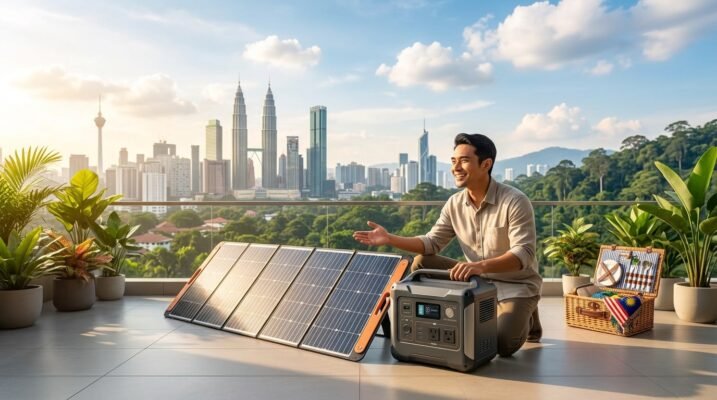

Preparedness Through Gardening | Building Family Resilience Naturally
Reading Time: 4 minutes
Apr

From Viral Videos to Community Awareness | Building Preparedness in Malaysia
Reading Time: 3 minutes
May

Bangkok Bar Fire: What Happened, and What It Teaches Malaysian Families About Venue Safety
Reading Time: 3 minutes
Jul
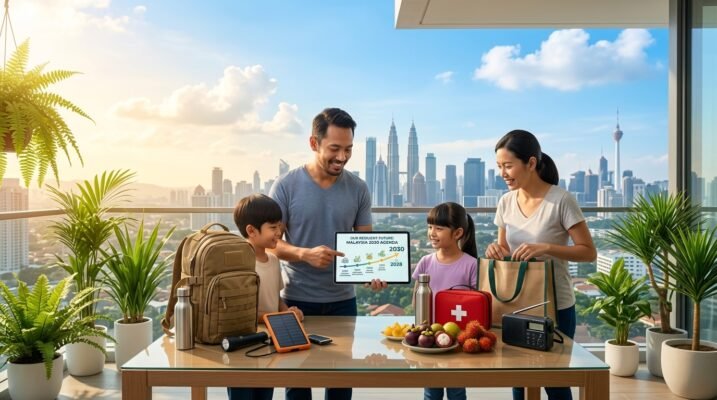

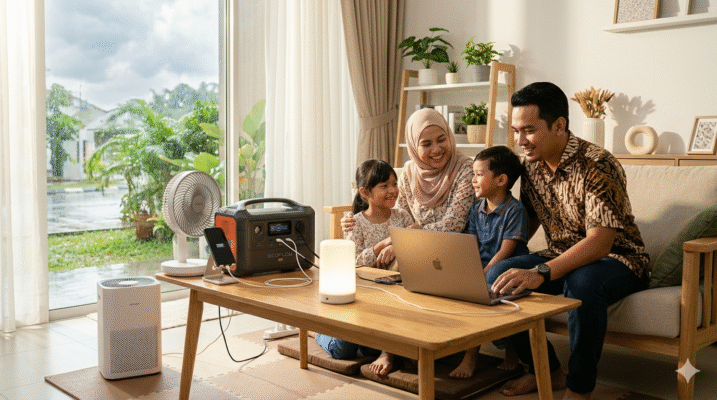
Blackout Ready: Why Every Malaysian Home Needs a Portable Power Station in 2026
Reading Time: 5 minutes
May

Emergency Lighting Guide for Malaysian Families | Blackout Preparedness
Reading Time: 5 minutes
May

Family Evacuation Plans in Urban Malaysia | Routes, Meeting Points & Communication
Reading Time: 5 minutes
Apr

Water Filter Comparison for Malaysian Water Sources | Best Emergency Filters
Reading Time: 5 minutes
Apr

Nik Muhammad Hafiz: Building Malaysia’s Preparedness Movement | Preppers MY
Reading Time: 4 minutes
May
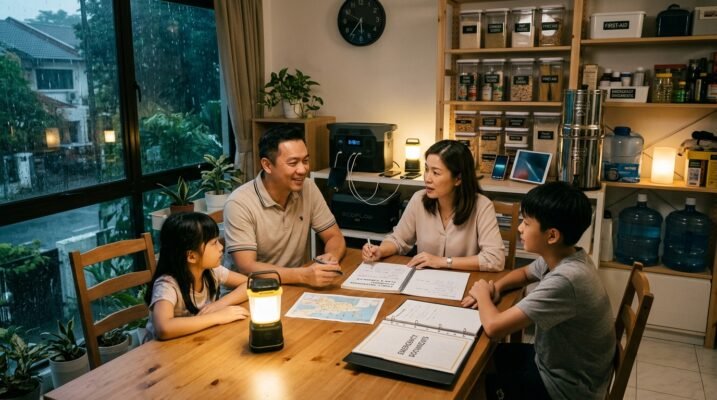
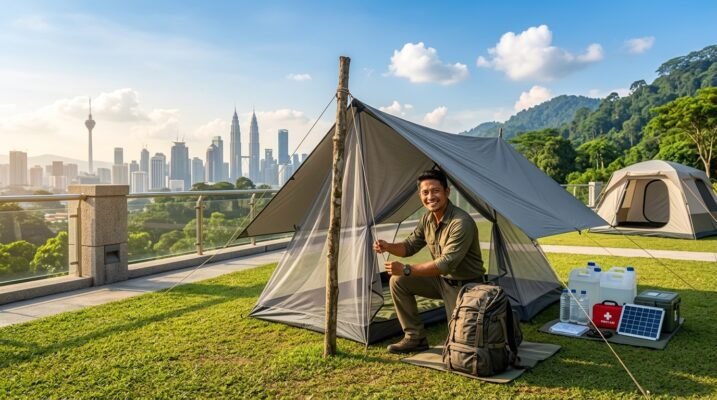
Emergency Shelter Building in Tropical Rainforest | Malaysian Jungle Survival Guide
Reading Time: 5 minutes
Apr


Home Borewell Installation for Water Independence | Secure Your Family’s Water Supply
Reading Time: 5 minutes
Apr
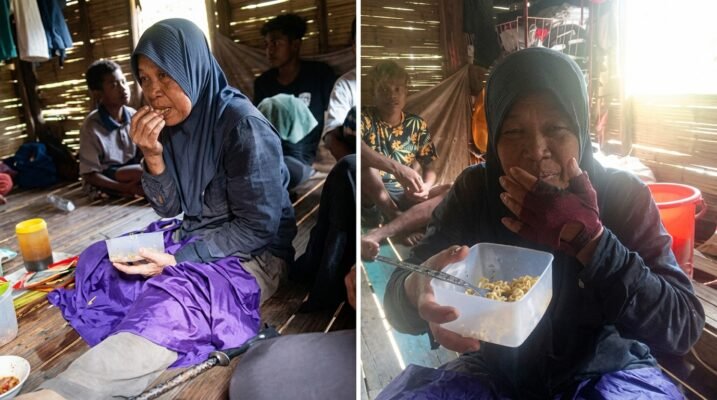
She Survived 14 Days Alone in the Jungle — Jaslinda’s Miracle Has a Lesson for Every Hiker
Reading Time: 6 minutes
Jun

Walkie-Talkie Buyer’s Guide for Malaysian Families | Emergency Communication
Reading Time: 6 minutes
Apr

Local Food Security Starts Here | Strengthening Ipoh’s Prepping Community
Reading Time: 4 minutes
Apr

Home Water Storage in High Humidity Environments | Malaysian Water Guide
Reading Time: 5 minutes
Apr
Suggested Related Products