Featured Prepper
From Viral Videos to Community Awareness | Building Preparedness in Malaysia



 Share this Article:
From Viral Videos to Community Awareness
Millions scroll past disaster footage every day without thinking twice. But TikTok creator @Abam_viral has built an audience by doing something different: turning viral incidents, emergencies, and real-world events into wake-up calls for ordinary Malaysians.
Why This Matters
- Social media can spread awareness faster than traditional channels
- Real footage makes preparedness feel real—not theoretical
- Community education begins with attention and conversation
- Preparedness culture grows when ordinary people start paying attention
The Rise of Awareness-Based Content
Malaysia has experienced floods, traffic chaos, water disruptions, fires, crowd incidents, and supply chain issues repeatedly over the last few years. Yet many families still assume “someone else” will solve the problem.
Creators like @Abam_viral are changing that mindset by documenting what happens in real life. Viral clips become discussion points. People begin asking practical questions:
- “What would I do in this situation?”
- “Do I have emergency supplies?”
- “Could my family handle 72 hours without help?”
- “How fast can systems actually fail?”
The Shift: Preparedness becomes more relatable when people see real incidents happening to ordinary Malaysians—not fictional disaster movies.
Featured on Astro Awani
Recently, @Abam_viral received wider mainstream attention through coverage connected to Astro Awani, highlighting how digital creators now influence public awareness and discussion across Malaysia.
This matters because information no longer moves only through television or newspapers. Social platforms now shape how people understand risk, emergencies, and community response.
Why Viral Awareness Matters for Preparedness
Most Malaysians Prepare Too Late
The average family only reacts after disruption begins:
- Buying water after shortages start
- Looking for power banks during outages
- Searching for flood supplies once rain intensifies
- Panic-buying food after shelves empty
Awareness-based content helps break this cycle by putting preparedness into public conversation before crisis hits.
Social Media Creates Faster Community Learning
One viral clip can educate millions within hours. People begin sharing tips, discussing mistakes, and thinking critically about safety and preparedness.
That kind of attention can save lives when used responsibly.
What Awareness Content Can Teach Families
- How quickly normal systems can become unstable
- Why backup food, water, and power matter
- How crowd situations become dangerous
- Why communication plans are important
- How ordinary people react under pressure
- The importance of staying calm and informed
The Power of Relatable Messaging
One reason creators like @Abam_viral resonate with audiences is relatability. The content feels local, immediate, and familiar.
Preparedness messaging often fails because it sounds too extreme. But when awareness comes through relatable Malaysian situations—traffic jams, monsoon flooding, crowded public events, or utility disruptions—people listen differently.
Building a More Aware Malaysian Community
Prepared communities are not built only through equipment or supplies. They are built through awareness first.
Awareness changes behavior:
Families Start Planning
People begin thinking about emergency contacts, backup supplies, and evacuation routes.
Communities Communicate Faster
Neighbors share updates and coordinate support more effectively during disruptions.
Normalisation of Preparedness
Preparedness stops looking “extreme” and starts looking responsible.
Younger Malaysians Become Interested
Platforms like TikTok introduce resilience concepts to audiences traditional preparedness media rarely reaches.
The Responsibility of Influence
With large audiences comes responsibility. Viral awareness works best when it encourages calm thinking, practical action, and community support—not panic.
The most valuable creators are the ones who make people more aware without making them fearful.
Preparedness Is Not Panic: The goal is not fear. The goal is helping ordinary families think ahead, stay informed, and become more resilient.
What Malaysians Can Learn From This
You do not need to become a “prepper” overnight. Start small:
- Store extra drinking water
- Keep backup lighting and power banks
- Build a 72-hour emergency kit
- Follow reliable local information channels
- Discuss emergency plans with your family
- Pay attention to real-world warning signs
Awareness is always the first step.
Preparedness Starts With Awareness
Follow creators, communities, and platforms that encourage practical resilience and responsible awareness. The more Malaysians think ahead, the stronger our communities become.
Explore Preparedness Guides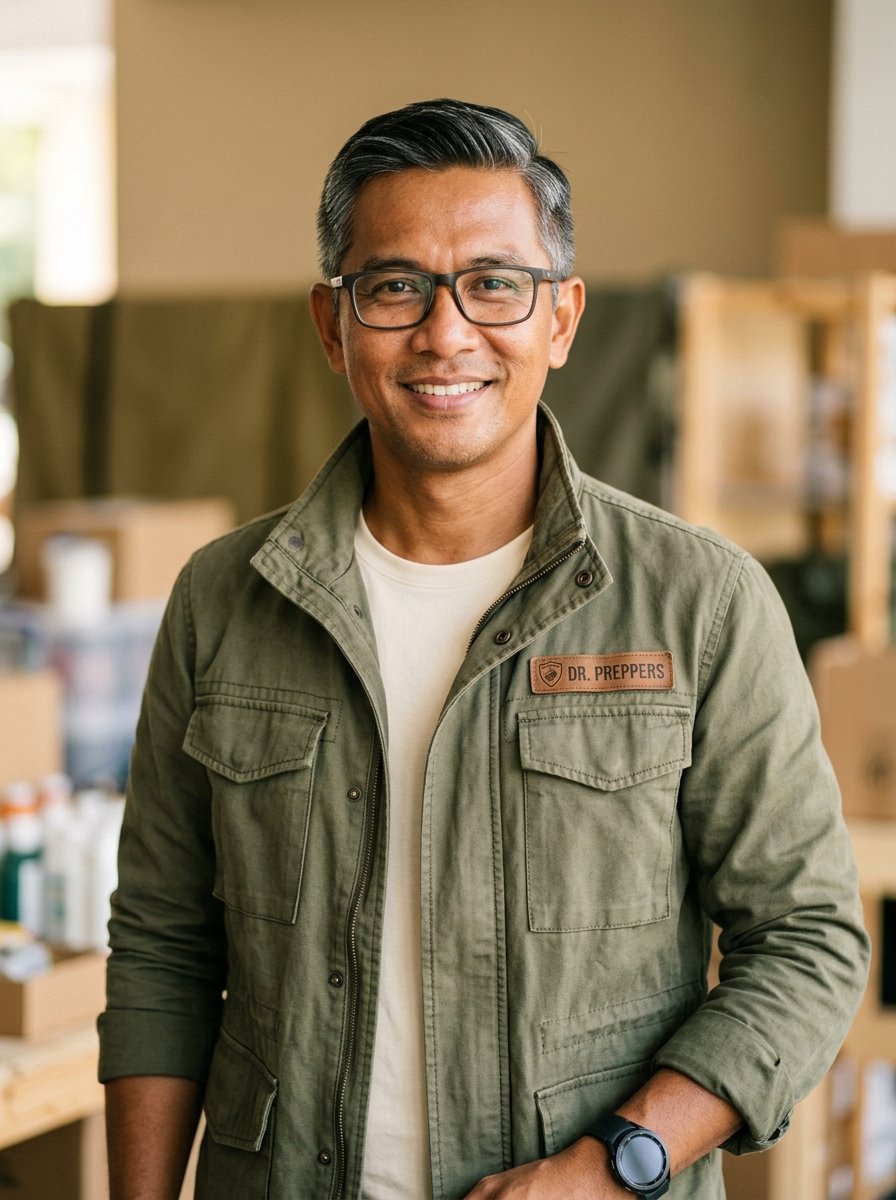
The first step to preparedness is paying attention.
By Dr. Preppers, your emergency preparedness guide.
Presented by Preppers MY · www.preppersmy.com
Suggested Reads
Emergency Shelter Building in Tropical Rainforest | Malaysian Jungle Survival Guide
Reading Time: 5 minutes
Apr
Family Evacuation Plans in Urban Malaysia | Routes, Meeting Points & Communication
Reading Time: 5 minutes
Apr
Home Borewell Installation for Water Independence | Secure Your Family’s Water Supply
Reading Time: 5 minutes
Apr
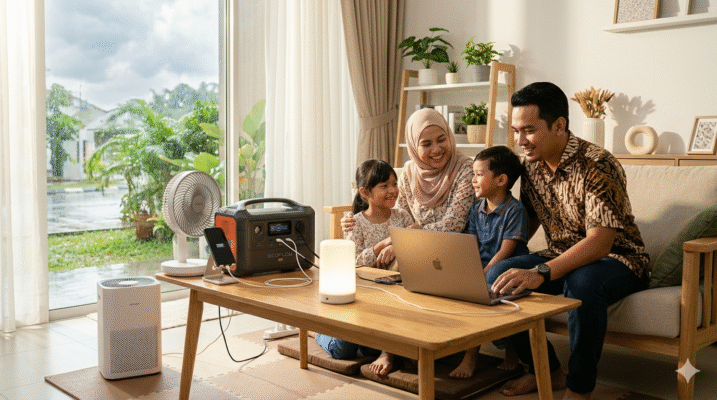
Blackout Ready: Why Every Malaysian Home Needs a Portable Power Station in 2026
Reading Time: 5 minutes
May

Walkie-Talkie Buyer’s Guide for Malaysian Families | Emergency Communication
Reading Time: 6 minutes
Apr
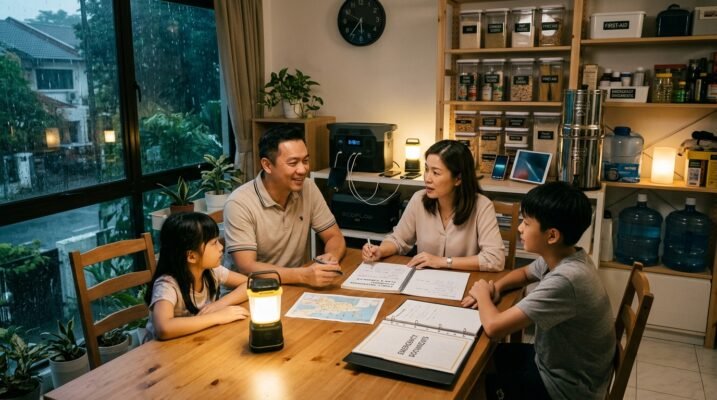
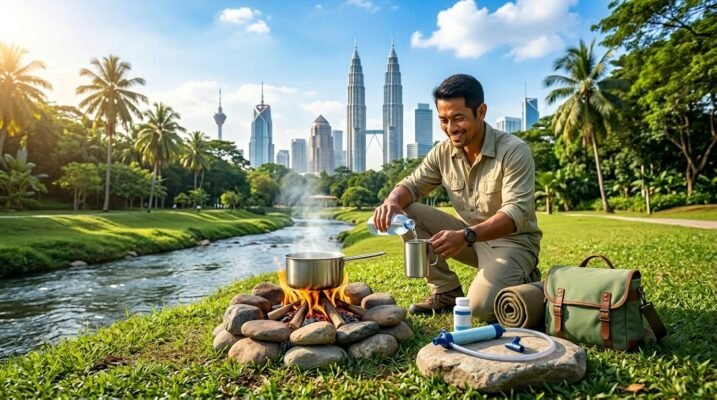
Water Purification for Tropical Climates | Safe Drinking Water Guide for Malaysia
Reading Time: 4 minutes
Apr
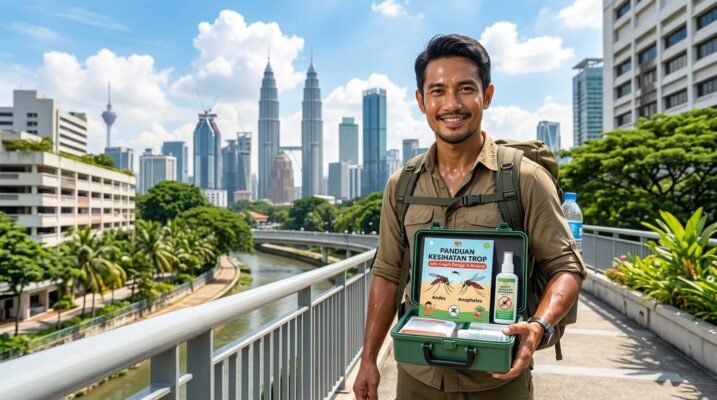
Preparing for Tropical Diseases During Emergencies | Malaysian Family Guide
Reading Time: 4 minutes
Apr
From Classroom to Water Independence | Building a 6-Month Water Supply in Malacca
Reading Time: 5 minutes
Apr
South China Sea Geopolitical Crisis | How Malaysian Families Can Prepare
Reading Time: 5 minutes
Apr
El Niño Is Coming Back — And This Time, It Could Be the Worst Malaysia Has Ever Seen
Reading Time: 5 minutes
May
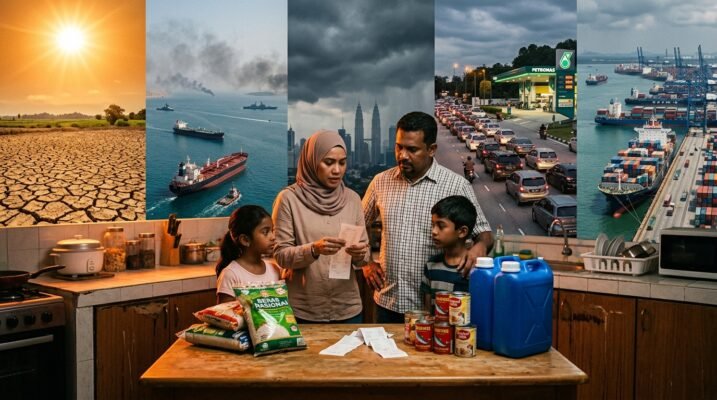
5 Economic Threats in 2026 That Could Change Your Life in Malaysia — And What to Do About It Now
Reading Time: 4 minutes
May
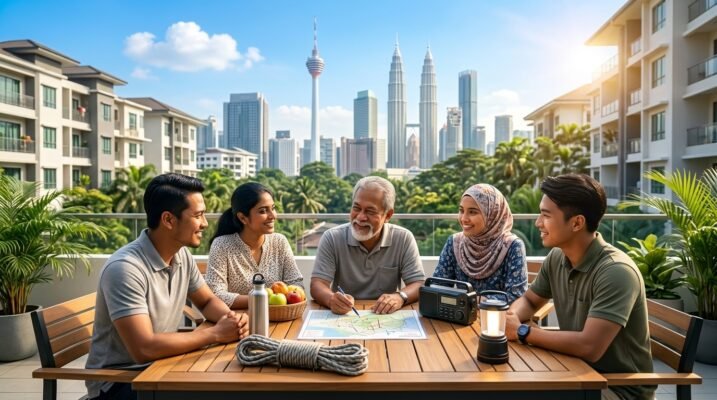
Building Prepper Community in Malaysia | Resilience Through Neighbours & Local Networks
Reading Time: 5 minutes
Apr
Bangkok Bar Fire: What Happened, and What It Teaches Malaysian Families About Venue Safety
Reading Time: 3 minutes
Jul
Car Emergency Kit for Malaysian Highways | Monsoon & Breakdown Preparedness
Reading Time: 4 minutes
Apr

Nik Muhammad Hafiz: Building Malaysia’s Preparedness Movement | Preppers MY
Reading Time: 4 minutes
May
Emergency Lighting Guide for Malaysian Families | Blackout Preparedness
Reading Time: 5 minutes
May

Home Solar Installation for Malaysian Families | Energy Independence Guide
Reading Time: 5 minutes
Apr
First Aid for Remote Areas in Malaysia | Austere Medicine Survival Guide
Reading Time: 5 minutes
Apr
Local Food Security Starts Here | Strengthening Ipoh’s Prepping Community
Reading Time: 4 minutes
Apr
Suggested Related Products