Survival Gear
Emergency Lighting Guide for Malaysian Families | Blackout Preparedness


 Share this Article:
Emergency Lighting Guide for Malaysian Families
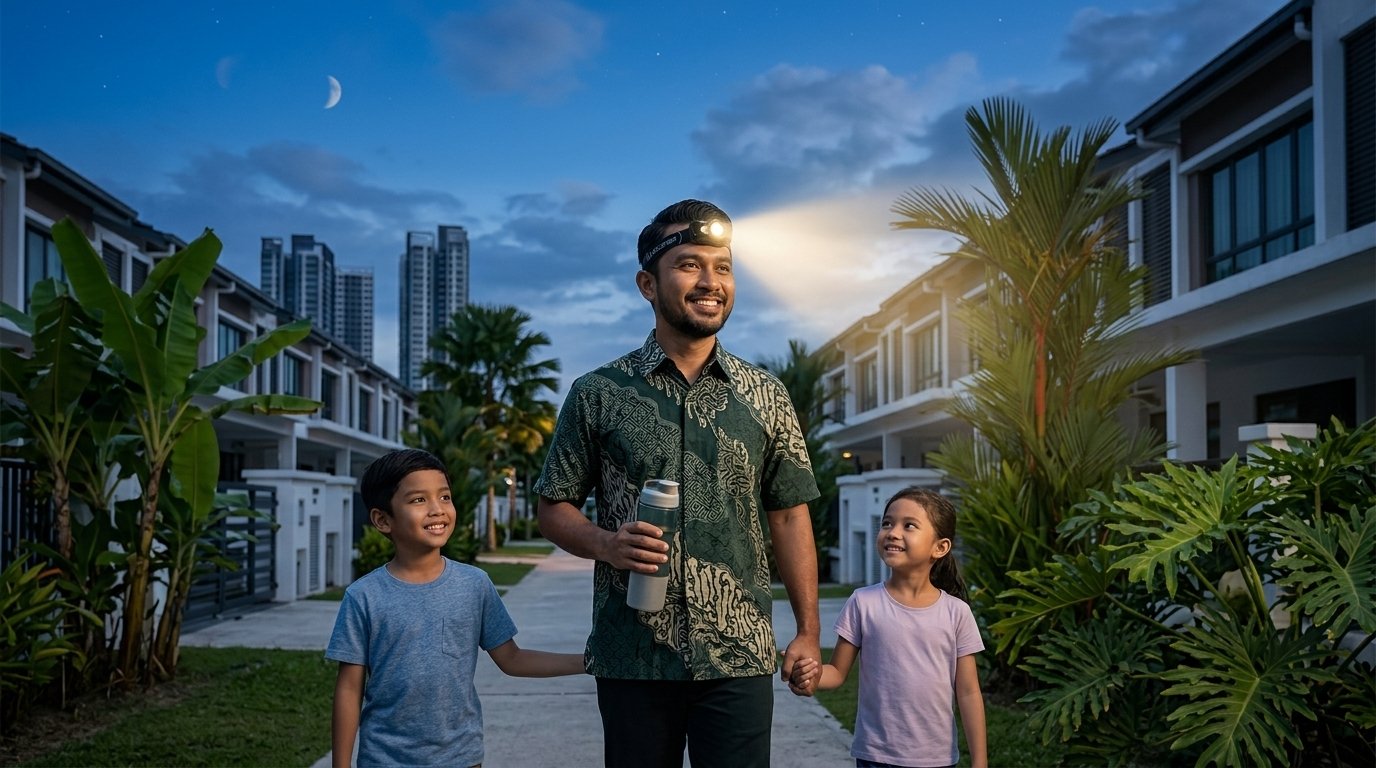
When the power goes out, darkness becomes your first enemy. This guide helps Malaysian families prepare reliable lighting systems for blackouts, monsoon disruptions, and extended power failures.
What This Guide Covers
- Flashlights, lanterns, headlamps, solar lights, batteries, and glow sticks
- Best lighting setups for Malaysian homes and families
- Battery storage in tropical heat and humidity
- Monthly and annual maintenance checklist
Why Emergency Lighting Matters
When the power goes out, darkness becomes one of the first practical problems your family faces. A blackout lasting a few hours can already cause confusion, falls, injuries, and stress. When the outage lasts days, the problems multiply.
After floods, storms, maintenance failures, or grid disruptions, families may need to cook, move around, check supplies, treat injuries, communicate, and keep children calm without normal lighting.
A prepared family should not depend on one flashlight. You need multiple light sources, placed in key areas, tested regularly, and protected from Malaysia’s heat, rain, and humidity.
The Problems Darkness Creates
- Safety risk: Falls, cuts, trips, and household accidents increase when people move in darkness.
- Medical difficulty: First aid is harder when you cannot clearly see wounds, medication labels, or symptoms.
- Family stress: Darkness is psychologically difficult, especially for children and elderly family members.
- Communication issues: Reading messages, checking maps, charging devices, and finding contacts all become harder.
- Security concerns: Darkness makes a home feel more vulnerable and reduces awareness of movement outside.
Types of Emergency Lighting
Flashlights
Portable, directional light for searching, moving through the house, checking outside areas, or inspecting damage. Every adult should know where at least one flashlight is stored.
Lanterns
Best for lighting a room. Lanterns provide ambient light so the family can gather, eat, read, organize supplies, or keep children calm.
Headlamps
Hands-free lighting for first aid, repairs, cooking, searching bags, or moving equipment. Very useful when both hands are needed.
Solar Lights
Useful for extended outages. Charge during the day and provide light at night. Malaysia’s strong sunlight makes solar lights practical as a backup layer.
Battery Backups
Power banks with built-in LED lights can charge phones and provide emergency light. They are versatile but must be kept charged.
Glow Sticks
No batteries, no charging, and safe for children. Useful for marking rooms, bags, stairways, bathrooms, and evacuation routes.
Flashlight Buying Guide
| Type | Best For | Brightness | Battery Life | Cost |
|---|---|---|---|---|
| LED Flashlight | General use, searching | 100–500 lumens | 15–40 hours | RM20–50 |
| Tactical Flashlight | Bright focused beam | 500–2,000 lumens | 4–20 hours | RM80–200 |
| Rechargeable LED | Frequent use, backup | 200–1,000 lumens | 8–24 hours | RM60–150 |
| Hand-Crank Flashlight | No battery backup | 50–200 lumens | Short use per crank | RM30–80 |
| Inspection Light | Repairs, leaks, tight spaces | Varies | 10–30 hours | RM40–100 |
Recommended Flashlight Setup
For most Malaysian families, start with 2–3 standard LED flashlights, one brighter tactical flashlight, and one rechargeable flashlight. This gives daily practicality, bright outdoor visibility, and backup redundancy.
Lanterns for Long-Duration Light
Lanterns are better than flashlights when the whole family needs to function in one space. One lantern in the living room or kitchen can create enough light for meals, planning, packing, and basic tasks.
Best Lantern Options
- LED camp lanterns: Affordable, efficient, and ideal for most homes.
- Solar lanterns: Useful for multi-day outages when charging access is limited.
- Hand-crank lanterns: Good backup, but usually lower brightness.
- Kerosene or paraffin lanterns: Reliable but require fuel storage and careful fire safety.
Headlamps for Hands-Free Work
Headlamps are one of the most useful emergency lighting tools because they leave both hands free. During a blackout, you may need to carry children, treat injuries, cook, repair leaks, move supplies, or search through bags.
Recommendation: Keep at least one headlamp per adult. If possible, choose models with adjustable brightness and a red-light mode to preserve night vision.
Solar and Battery-Powered Options
Malaysia’s sunlight makes solar lighting a strong backup option. A solar lantern charged during the day can support night-time lighting without depending on spare batteries.
A power bank with built-in LED light is also useful because it supports both lighting and phone charging. For preparedness, this kind of dual-purpose item is valuable.
Simple Solar Backup Plan
- 1–2 solar lanterns for long-duration room lighting.
- 1 solar power bank for phone charging and emergency light.
- Rechargeable batteries where possible.
- Standard batteries as backup if charging becomes unavailable.
Battery Guide for Preppers
Common Battery Types
- AA / AAA: Most common for flashlights, lanterns, radios, and small devices.
- 9V: Often used for smoke detectors and some emergency devices.
- Rechargeable NiMH: Useful for long-term savings if you have a reliable charger.
- CR2032 / button cells: Used in small LED lights, remotes, and compact devices.
Tropical Considerations for Malaysia
Malaysia’s heat and humidity can damage emergency lighting faster than many people expect. Batteries can leak, contacts can corrode, plastic can weaken, and electronics can fail if stored carelessly.
- Humidity: Store lights and batteries in airtight containers with silica gel.
- Heat: Avoid leaving batteries in hot cars or direct sunlight.
- Flood risk: Use waterproof containers for lights stored on lower floors.
- Monsoon season: Test all lighting before heavy rain periods begin.
- Corrosion: Remove batteries from devices stored long-term.
Critical: Do not assume stored lights will work during an emergency. Tropical storage conditions can ruin batteries and contacts. Test everything quarterly.
Emergency Lighting Kit Recommendations
Budget Kit
- 2 standard LED flashlights
- 2 LED camp lanterns
- 2 headlamps
- 1 hand-crank flashlight
- AA and AAA battery stock
Mid-Range Kit
- Everything in Budget Kit
- 2 solar lanterns
- 1 tactical flashlight
- 1 solar power bank
- Extra rechargeable batteries
Complete Kit
- Everything in Mid-Range Kit
- Rechargeable light set
- Backup solar panel
- Glow stick packs
- Waterproof storage containers
Monthly Maintenance Checklist
Monthly Tasks
- Test all flashlights and lanterns.
- Test all headlamps and adjust straps.
- Inspect batteries for leakage or corrosion.
- Charge all rechargeable devices.
- Check solar panels for dirt or dust.
- Confirm waterproof containers are sealed.
- Replace weak or expired batteries.
- Update your lighting inventory.
Annual Tasks
- Replace ageing AA, AAA, and 9V batteries.
- Inspect all devices for cracks or damage.
- Clean battery contacts with a dry cloth.
- Review whether your family needs more lights.
- Practice one evening using only emergency lighting.
Battery Storage Tips for Tropical Malaysia
- Store batteries in airtight containers.
- Add silica gel packets to reduce moisture.
- Label purchase dates clearly.
- Keep batteries away from direct sun and high heat.
- Separate loose batteries to prevent accidental contact.
- Rotate battery stock using first-in, first-out.
Recommended battery stock for a family of four: 24 AA batteries, 12 AAA batteries, 4 9V batteries, and a small pack of button cells. Rotate every 12 months.
Ready to Build Your Emergency Lighting Kit?
Start with the budget kit and add items over time. Reliable lighting keeps your family safer, calmer, and more capable during blackouts.
Download Complete Checklist
When the lights go out, your plan should already be ready.
By Dr. Preppers, your emergency preparedness guide.
Presented by Preppers MY · www.preppersmy.com
Suggested Reads
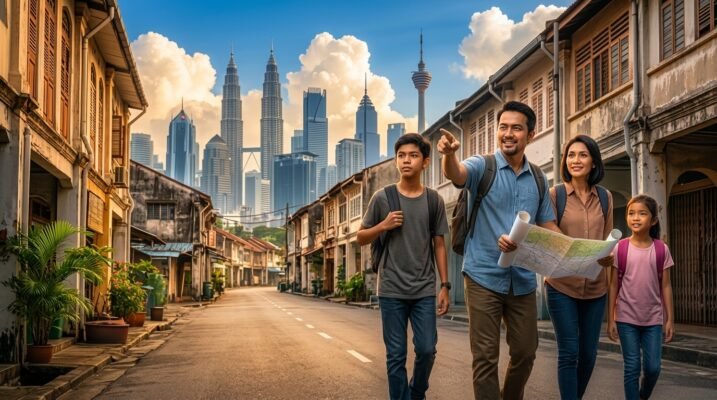
Family Evacuation Plans in Urban Malaysia | Routes, Meeting Points & Communication
Reading Time: 5 minutes
Apr
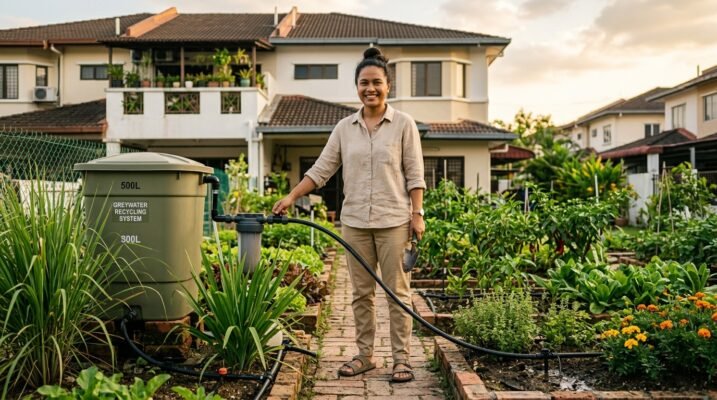
From Classroom to Water Independence | Building a 6-Month Water Supply in Malacca
Reading Time: 5 minutes
Apr
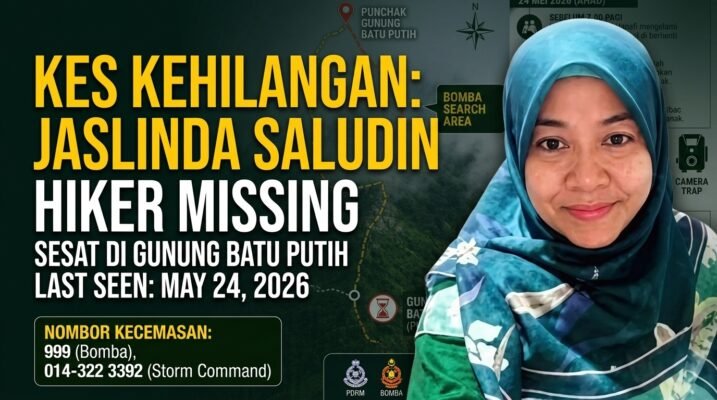
Lost in the Malaysian Jungle: Lessons from Jaslinda’s Disappearance at Gunung Batu Putih
Reading Time: 8 minutes
Jun
Home Water Storage in High Humidity Environments | Malaysian Water Guide
Reading Time: 5 minutes
Apr
7.8 Earthquake Strikes Southern Philippines — What Malaysian Families Must Know Right Now
Reading Time: 4 minutes
Jun
Local Food Security Starts Here | Strengthening Ipoh’s Prepping Community
Reading Time: 4 minutes
Apr
Emergency Shelter Building in Tropical Rainforest | Malaysian Jungle Survival Guide
Reading Time: 5 minutes
Apr

From Viral Videos to Community Awareness | Building Preparedness in Malaysia
Reading Time: 3 minutes
May
Water Filter Comparison for Malaysian Water Sources | Best Emergency Filters
Reading Time: 5 minutes
Apr
Water Purification for Tropical Climates | Safe Drinking Water Guide for Malaysia
Reading Time: 4 minutes
Apr

Preparedness Through Gardening | Building Family Resilience Naturally
Reading Time: 4 minutes
Apr
Complete Home Medical Kit for Malaysian Tropical Diseases | Emergency Preparedness
Reading Time: 5 minutes
Apr
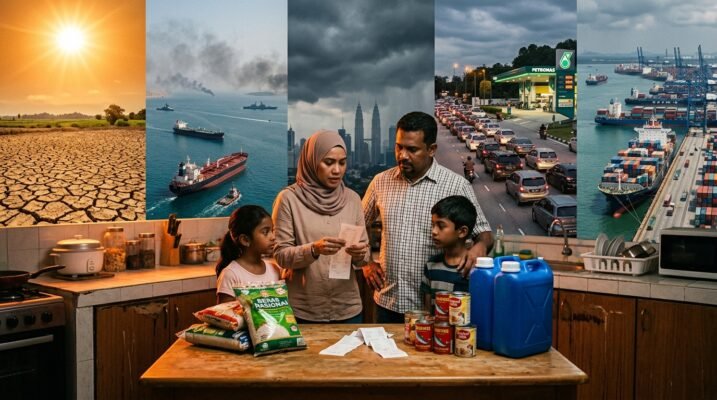
5 Economic Threats in 2026 That Could Change Your Life in Malaysia — And What to Do About It Now
Reading Time: 4 minutes
May
Bangkok Bar Fire: What Happened, and What It Teaches Malaysian Families About Venue Safety
Reading Time: 3 minutes
Jul
El Niño Is Coming Back — And This Time, It Could Be the Worst Malaysia Has Ever Seen
Reading Time: 5 minutes
May
Car Emergency Kit for Malaysian Highways | Monsoon & Breakdown Preparedness
Reading Time: 4 minutes
Apr
Home Solar Installation for Malaysian Families | Energy Independence Guide
Reading Time: 5 minutes
Apr
She Survived 14 Days Alone in the Jungle — Jaslinda’s Miracle Has a Lesson for Every Hiker
Reading Time: 6 minutes
Jun
Financial Preparedness for Malaysian Families | Cash, Inflation & Currency Protection
Reading Time: 5 minutes
Apr
South China Sea Geopolitical Crisis | How Malaysian Families Can Prepare
Reading Time: 5 minutes
Apr
90-Day Preparedness Plan for Malaysian Families | Build Real Resilience
Reading Time: 3 minutes
May
Suggested Related Products