Bug Out Bags & Evacuations
72-Hour Bug Out Bag for Malaysian Families | Tropical-Ready Evacuation Guide


 Share this Article:
72-Hour Bug Out Bag for Malaysian Families
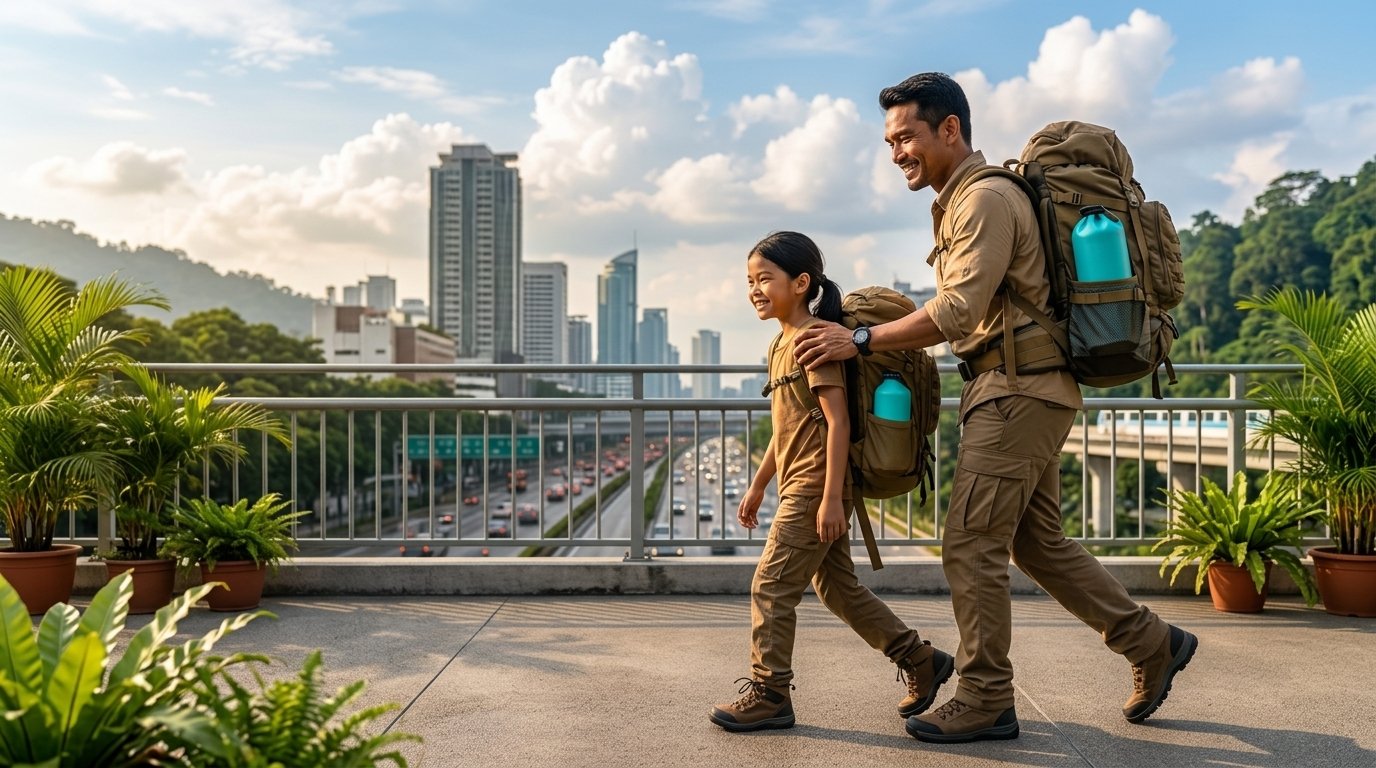
When an evacuation order comes, your family may have minutes to leave. A proper 72-hour bug out bag keeps essentials ready for flood evacuation, chemical incidents, road disruption, blackout recovery, or temporary displacement in Malaysia’s tropical conditions.
What This Guide Covers
- Why standard cold-climate bug out bags fail in Malaysia
- Backpack selection for humidity, rain, heat, and long walking
- Complete 72-hour packing checklist by priority and weight
- Testing, family planning, cost breakdown, and tropical packing tips
Why Standard Bug Out Bags Fail in Malaysia
Most bug out bag advice is written for cold, dry, four-season environments. Malaysian families face different problems: monsoon rain, high humidity, tropical heat, flooded roads, jungle edges, urban congestion, insects, and contaminated water.
- Extreme humidity: Gear gets damp, electronics corrode, zippers rust, and cotton becomes uncomfortable.
- Tropical heat: Dehydration and heat exhaustion can become dangerous faster than hunger.
- Flooded terrain: Evacuation routes may involve water, mud, blocked roads, or walking.
- Insect exposure: Mosquitoes, leeches, and bites become real problems outdoors.
- Contaminated water: Malaysia has water sources, but not all are safe to drink.
The 72-Hour Standard: Your bag should help you survive the first three days without normal resupply. The goal is not comfort. The goal is hydration, communication, safety, shelter, basic food, and movement toward help.
Choosing Your Backpack
Your backpack matters because a poorly fitted or overloaded bag will be abandoned when conditions get hot, wet, or stressful.
Requirements for Malaysian Climate
- Size: 40–50L for most adults. Big enough for essentials, not so big that it becomes dangerously heavy.
- Material: Ripstop nylon, Cordura-style fabric, or strong synthetic material. Avoid cotton canvas for humid storage.
- Ventilation: A mesh back panel helps reduce sweat buildup.
- Rain protection: Use a rain cover, dry bags, or waterproof liners.
- Strong seams: Double stitching and reinforced straps matter when the bag is loaded.
- Comfort: Hip belt and shoulder padding reduce fatigue during evacuation walking.
Practical Backpack Options
- Premium hiking pack: Better comfort, ventilation, and long-term durability.
- Decathlon-style trekking pack: Good value for families building multiple bags.
- Military surplus pack: Tough and affordable, though often less comfortable.
- Children’s pack: Small bag with water, snacks, whistle, light, and ID card only.
Complete 72-Hour BOB Packing List
Tier 1: Survival Essentials
Water & Hydration
- 2 × 1L water bottles: Carry immediate drinking water.
- Water filter: Useful when safe bottled water is unavailable.
- ORS packets: Critical for heat, sweating, diarrhea, vomiting, and dehydration risk.
- Water purification tablets: Lightweight backup option.
Food
- Instant noodles: Familiar, lightweight, and easy to prepare.
- Peanut butter: High-calorie, compact, and no cooking needed.
- Granola or energy bars: Quick calories during movement.
- Powdered milk or drink sachets: Useful for children and morale.
- Salt packets: Helps replace salt lost through sweating.
Shelter
- Emergency poncho: Rain protection and temporary shelter.
- Lightweight tarp: Shade and rain cover.
- Mosquito net: Important during outdoor sleeping or waiting areas.
- Emergency blanket: Useful for shock, injury, or night exposure.
Fire & Light
- Waterproof lighter: Basic fire-starting backup.
- Waterproof matches: Redundancy if lighter fails.
- Fire starter cubes: Easier ignition in damp conditions.
- Headlamp: Hands-free light for night movement.
- Small flashlight: Backup light source.
Safety & Signalling
- Whistle: Louder and less tiring than shouting.
- Signal mirror: Useful in open areas or daylight rescue signalling.
- Emergency ID card: Name, blood type if known, allergies, emergency contacts, medication list.
- Cash: Small notes for transport, food, water, or emergency purchases.
Tier 2: Medical & Hygiene
First Aid
- Compact first aid kit: Gauze, bandages, antiseptic, tape, scissors, gloves, and plasters.
- Blister treatment: Essential if walking long distances.
- Tourniquet: For life-threatening limb bleeding; training required.
- Antiseptic wipes: Tropical wounds can infect quickly.
Medications
- Paracetamol: Fever and pain support.
- Antihistamine: Bites, swelling, allergies, and rashes.
- Anti-diarrhea medicine: Use appropriately; avoid if fever or blood in stool.
- Anti-nausea support: Useful for vomiting, heat illness, or travel sickness.
- Personal prescriptions: Keep a practical emergency buffer for chronic medicines.
Hygiene & Insect Protection
- Insect repellent: Dengue prevention starts with bite reduction.
- Wet wipes: Hygiene when water is limited.
- Toilet paper: Store in a waterproof bag.
- Hand sanitizer: Reduces infection risk during evacuation.
- Soap bar: Lightweight and useful for basic hygiene.
- Toothbrush and toothpaste: Small morale and hygiene item.
Tier 3: Tools & Utilities
Cutting & Repair
- Fixed-blade knife: Utility tool for cutting cordage, food packaging, and light camp tasks.
- Paracord: Shelter, repairs, tying, hanging, and improvisation.
- Duct tape: Small roll for repairs and waterproofing.
- Multi-tool: Useful but optional if weight is a concern.
Navigation & Communication
- Printed map: Offline navigation when phone maps fail.
- Compass: Works without battery.
- Walkie-talkie: Optional family communication backup if everyone is trained.
- Power bank: Keeps phones and lights charged.
- Charging cables: Store one spare cable inside the bag.
Documents
- Waterproof document pouch: Protects ID, cash, and printed contacts.
- Emergency contact list: Include family, relatives, school, clinic, and insurance numbers.
- Copies of ID and insurance: Laminated or sealed in plastic.
Tier 4: Clothing & Morale
Clothing
- Synthetic socks: Dry faster than cotton.
- Extra underwear: Pack in a dry bag.
- Light long-sleeve shirt: Sun and insect protection.
- Hat with brim: Heat and rain protection.
- Light rain jacket: Useful during monsoon and night exposure.
Morale Items
- Chocolate or candy: Quick energy and emotional comfort.
- Notebook and pencil: Notes, messages, and tracking.
- Printed family photo: Useful for morale and identification if separated.
Tropical-Specific Packing Tips
Humidity Management
- Use ziplock bags: Separate electronics, documents, medicines, and clothing.
- Add silica gel: Protect electronics and medicine from moisture.
- Waterproof documents: Laminate or seal in plastic sleeves.
- Air the bag regularly: Check for mold, rust, and dampness every few months.
Weight Distribution
- Keep total weight realistic: Aim for a bag you can carry in Malaysian heat.
- Heavy items close to the back: Water and food should sit near the spine.
- Frequently used items accessible: Water, snacks, headlamp, poncho, map, and first aid should not be buried.
- Do not overpack: A lighter bag you can carry is better than a perfect bag you abandon.
Heat Management
- Drink before you feel thirsty: Heat stress builds quickly while walking.
- Use shade: Rest during peak heat if evacuation route allows.
- Wear breathable layers: Avoid heavy cold-climate clothing.
What Not to Pack
- Cotton-heavy clothing: Slow drying and uncomfortable in humidity.
- Too much water: Carry enough immediate water, then rely on filtering and resupply planning.
- Cold-climate gear: Heavy wool and winter items waste space in Malaysia.
- Untrained tactical gear: Gear you cannot use safely becomes dead weight.
- Excess food: Pack 72 hours, not 30 days.
- Illegal weapons: Avoid anything that creates legal risk at checkpoints.
Testing Your Bag
A bug out bag is only useful if it has been tested under realistic conditions.
- Practice hike: Walk 3–5km with the loaded bag.
- Weight test: Wear it for one to two hours and adjust straps.
- Rain test: Confirm critical items stay dry.
- Cooking test: Prepare one meal with your packed food and tools.
- Shelter test: Set up tarp, poncho, or mosquito net before emergency.
- Family drill: Practice leaving home with bags within 15 minutes.
Cost Breakdown
Budget Option
- Affordable 40–50L backpack
- Water bottles and filter
- Basic food items
- Poncho, tarp, and mosquito net
- First aid and basic medicine
- Headlamp, lighter, whistle, paracord, and documents
Estimated Range: RM800–RM1,300 depending on item quality and what you already own.
Quality Option
- Better backpack with ventilation and hip support
- Higher quality water filter and lighting
- More durable shelter and rain protection
- Improved first aid and power backup
Estimated Range: RM1,500–RM2,000+ depending on backpack and tool quality.
Family BOB Planning
- Adults: Full 40–50L bag with shared family supplies.
- Teenagers: Smaller bag with water, clothing, snacks, light, and personal items.
- Children: Very light bag only — snacks, water, whistle, ID card, comfort item.
- Young children: Adults carry their supplies. Include diapers, formula, medication, and comfort items if needed.
Every family member should know where the bags are stored, where to meet, who carries which child or pet supplies, and what route to take if roads are blocked.
Best Strategy: Build one adult bag first, test it, then duplicate the system for the rest of the family. Preparedness improves faster when you build gradually and test honestly.
Get Your 72-Hour BOB Packing Checklist
Complete list with item-by-item costs, suppliers, weight calculations, tropical-specific items, and testing protocol. Print and start building your bag.
Download Free Resources
Pack light enough to move. Prepare well enough to last.
By Dr. Preppers, your emergency preparedness guide.
Presented by Preppers MY · www.preppersmy.com
Suggested Reads
5 Economic Threats in 2026 That Could Change Your Life in Malaysia — And What to Do About It Now
Reading Time: 4 minutes
May
Preparing for Tropical Diseases During Emergencies | Malaysian Family Guide
Reading Time: 4 minutes
Apr
Home Water Storage in High Humidity Environments | Malaysian Water Guide
Reading Time: 5 minutes
Apr

Preparedness Through Gardening | Building Family Resilience Naturally
Reading Time: 4 minutes
Apr
Home Borewell Installation for Water Independence | Secure Your Family’s Water Supply
Reading Time: 5 minutes
Apr
Family Evacuation Plans in Urban Malaysia | Routes, Meeting Points & Communication
Reading Time: 5 minutes
Apr
90-Day Preparedness Plan for Malaysian Families | Build Real Resilience
Reading Time: 3 minutes
May
First Aid for Remote Areas in Malaysia | Austere Medicine Survival Guide
Reading Time: 5 minutes
Apr

From Viral Videos to Community Awareness | Building Preparedness in Malaysia
Reading Time: 3 minutes
May

Home Solar Installation for Malaysian Families | Energy Independence Guide
Reading Time: 5 minutes
Apr
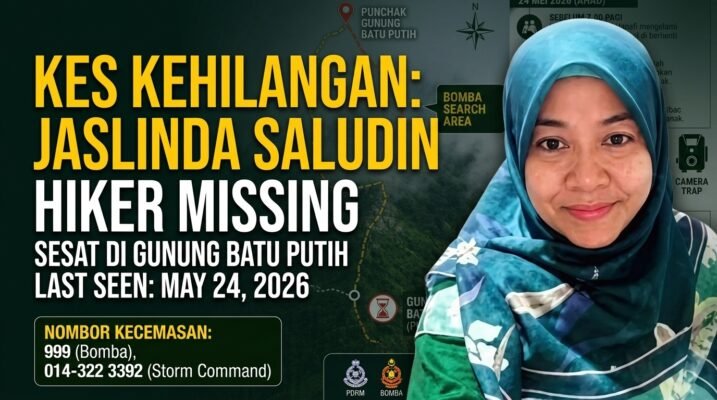
Lost in the Malaysian Jungle: Lessons from Jaslinda’s Disappearance at Gunung Batu Putih
Reading Time: 8 minutes
Jun
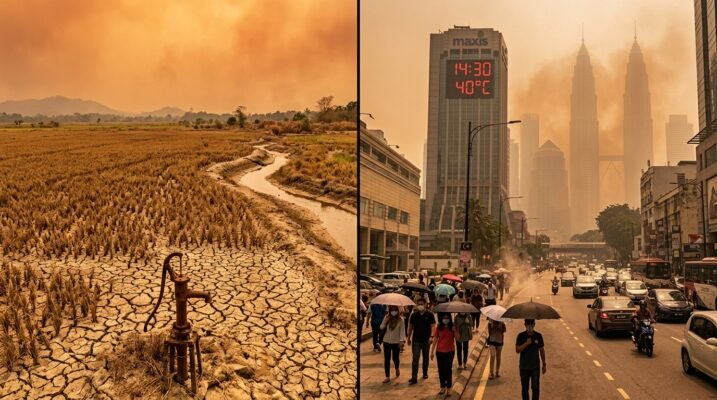
El Niño Is Coming Back — And This Time, It Could Be the Worst Malaysia Has Ever Seen
Reading Time: 5 minutes
May
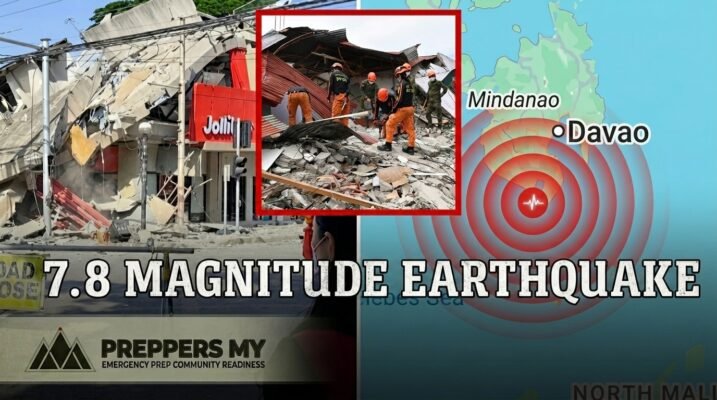
7.8 Earthquake Strikes Southern Philippines — What Malaysian Families Must Know Right Now
Reading Time: 4 minutes
Jun
Emergency Lighting Guide for Malaysian Families | Blackout Preparedness
Reading Time: 5 minutes
May
Water Filter Comparison for Malaysian Water Sources | Best Emergency Filters
Reading Time: 5 minutes
Apr
Walkie-Talkie Buyer’s Guide for Malaysian Families | Emergency Communication
Reading Time: 6 minutes
Apr

Nik Muhammad Hafiz: Building Malaysia’s Preparedness Movement | Preppers MY
Reading Time: 4 minutes
May
From Classroom to Water Independence | Building a 6-Month Water Supply in Malacca
Reading Time: 5 minutes
Apr
Bangkok Bar Fire: What Happened, and What It Teaches Malaysian Families About Venue Safety
Reading Time: 3 minutes
Jul
Suggested Related Products