Bug Out Bags & Evacuations
Family Evacuation Plans in Urban Malaysia | Routes, Meeting Points & Communication



 Share this Article:
Family Evacuation Plans in Urban Malaysia
When flood, fire, chemical incident, landslide risk, or sudden evacuation order happens, families with a written plan move faster and panic less. This guide helps Malaysian households define routes, meeting points, communication protocols, and family roles before roads and networks fail.
What This Guide Covers
- How to create a written family evacuation plan
- Evacuation triggers, roles, meeting points, and route planning
- Communication protocols when family members are separated
- Urban Malaysia considerations for KL, Penang, Selangor, schools, workplaces, and elderly family members
Why Your Family Needs a Written Evacuation Plan
Most families assume they will “figure it out” during a crisis. That is exactly when thinking becomes difficult. Roads become crowded, phones become unreliable, children may be at school, adults may be at work, and time pressure increases.
- Family separation: One parent at work, children at school, elderly parents at home.
- Panic decisions: Wrong routes, forgotten documents, or delayed departure.
- Communication failure: Mobile networks may be congested or unavailable.
- Critical item loss: Medications, cash, documents, chargers, and go-bags may be forgotten.
- Traffic traps: Waiting too long can turn a simple evacuation into a roadblock.
Preparedness Principle: A family evacuation plan removes decision-making from the worst moment. You decide the trigger, route, meeting point, and roles before panic begins.
Elements of a Complete Evacuation Plan
Your plan should answer seven basic questions clearly enough that every adult can follow it without improvising.
- What triggers evacuation? Flood level, official warning, landslide signs, chemical incident, fire, or family decision.
- Who decides? One designated person must have authority to call the plan.
- Where do we go? Primary location, secondary location, and last-resort meeting point.
- How do we get there? Primary route and at least one backup route.
- What do we take? Go-bags, documents, medicines, cash, phones, chargers, water, and snacks.
- How do we communicate? SMS, phone call, emergency contact, walkie-talkie, and printed plan.
- What if someone is missing? Waiting time, contact sequence, and escalation steps.
Define Your Evacuation Trigger
Waiting for an official order may be too late in some situations. Your family should define early triggers based on your actual risks.
Evacuation Trigger Examples
Flood zone: Heavy monsoon rain, drains rising, nearby roads flooded, or water approaching your housing area.
Industrial area: Chemical smell, sirens, official alert, fire, explosion, or instruction to move upwind.
Landslide zone: Cracks, slope movement, water seepage, unusual sounds, or prolonged heavy rain.
Apartment or condo: Fire alarm, smoke, power outage affecting lifts, structural concern, or management evacuation order.
Family rule: Evacuate early if the risk is rising and the safe route is still open.
Evacuation Routes: Urban Malaysia Considerations
Urban evacuation is not just “drive away.” You need multiple routes because highways, bridges, toll roads, and flood-prone junctions can become choke points.
Kuala Lumpur
Primary Direction: Move to Higher, Safer, Less Congested Areas
Route Planning: Identify one highway route, one non-highway route, and one short local route to a temporary safe zone.
Watchpoints: Flash floods, underpasses, low-lying roads, tunnel routes, and traffic bottlenecks.
Potential Meeting Areas: Higher-ground relatives, hotels outside flood zones, community halls, mosques, schools, or pre-agreed safe neighbourhoods.
Penang
Primary Concern: Bridge and Mainland Access
Route Planning: Know both bridge options where relevant, ferry status if available, and mainland meeting points.
Watchpoints: Bridge closures, traffic congestion, hillside roads, coastal flooding, and landslide-prone routes.
Potential Meeting Areas: Mainland relatives, Seberang Perai locations, hotels outside flood-prone zones, or pre-selected safe community areas.
Selangor
Primary Concern: Flooded Roads and Industrial Areas
Route Planning: Identify routes away from river flood zones, industrial hazards, and major highway chokepoints.
Watchpoints: Shah Alam, Klang Valley flood-prone roads, low-lying junctions, industrial estate access roads, and clogged toll exits.
Potential Meeting Areas: Higher-ground townships, relatives outside flood zones, schools, mosques, community halls, or hotels along alternate corridors.
Choose Meeting Points
Meeting points prevent chaos when family members cannot contact each other.
Primary Meeting Point
A safe place near home but outside immediate danger. Example: higher-ground community hall, mosque, school, petrol station, or relative’s house.
Secondary Meeting Point
A location farther away if your neighbourhood becomes inaccessible. Example: relative outside flood zone, hotel, workplace, or town outside the affected area.
Out-of-Area Contact Point
A relative or trusted person outside the disaster area who can receive updates from separated family members.
Family Roles & Responsibilities
Assign roles before the emergency. This avoids everyone trying to do everything at once.
Suggested Role Assignments
Decision Lead: Makes the evacuation decision once the trigger is met.
Navigator: Manages routes, maps, traffic updates, and backup paths.
Supply Manager: Grabs go-bags, medications, cash, documents, water, and snacks.
Communication Lead: Sends SMS updates, calls emergency contacts, manages radios, and tracks family members.
Child/Elderly Support: Assigned adult responsible for young children, elderly parents, disabled family members, or pets.
Communication When Separated
During emergencies, voice calls may fail. SMS often works better because it uses less network capacity. Printed information is your final backup.
Communication Hierarchy
- SMS first: Send “SAFE + location + next action.”
- Phone call second: Keep calls short to save battery.
- Out-of-area contact: Everyone reports status to the same trusted relative or friend.
- Walkie-talkie if nearby: Useful for family convoy, apartment blocks, neighbourhood, or short-range coordination.
- Meeting point protocol: If no contact is possible, go to the agreed meeting point.
Physical Communication Tools
- Printed contact list: Keep one in each go-bag and car.
- Printed meeting point address: Include maps and landmarks.
- Emergency code word: A family-only word to verify identity or confirm the plan.
- Notebook and pencil: Leave written messages if needed.
Specific Planning by Family Type
Families with School-Age Children
- Confirm school policy: Know whether the school evacuates, shelters, or waits for pickup.
- Authorise pickup persons: Ensure the school has updated names and phone numbers.
- Teach children: They should know one emergency contact, one meeting point, and what to do if phones fail.
- Small school kit: Water, snack, raincoat, ID card, and emergency contact note.
Working Families
- Plan from multiple locations: Home, office, school, clinic, and elderly parent’s house.
- Set time expectations: Example: if one parent cannot return home, they go directly to Meeting Point 2.
- Keep car supplies: Water, snacks, power bank, raincoat, flashlight, and printed map.
Elderly or Disabled Family Members
- Assign one responsible adult: Do not assume someone will remember.
- Prepare medication: Keep a labelled emergency medication pouch.
- Choose accessible meeting points: Avoid stairs-only locations or areas with difficult walking access.
- Plan transport: Wheelchair, walker, spare glasses, hearing aids, and charging needs.
What to Take During Evacuation
- Go-bags: One per adult where possible.
- Documents: IDs, passports, insurance, house documents, medical records, and copies.
- Medications: At least several days of critical medicines, more if available.
- Cash: Small notes because ATMs and card terminals may fail.
- Phones and chargers: Include car charger and power bank.
- Water and snacks: Enough for traffic delays and waiting periods.
- Clothing: One change per person in a waterproof bag.
How to Test Your Plan
A plan that is never tested is only a document. Test it calmly before you need it.
- Tabletop exercise: Ask each family member what they do if evacuation happens now.
- 15-minute drill: Practice grabbing bags, documents, medicines, water, and leaving.
- Route drive: Drive the primary and backup routes during normal conditions.
- Communication drill: Send SMS check-ins and test the out-of-area contact system.
- Annual review: Update phone numbers, school contacts, medicine lists, and routes.
Sample Evacuation Plan Template
Family Evacuation Plan
Family Name:
Evacuation Trigger:
Decision Lead:
Primary Route: Home →
→ Safe LocationSecondary Route: Home →
→ Backup LocationPrimary Meeting Point:
Backup Meeting Point:
Out-of-Area Contact:
Emergency Code Word:
Review Date:
☐ Go-bags loaded ☐ Documents packed ☐ Medicines packed ☐ Cash packed ☐ Phones and chargers packed ☐ Water and snacks packed ☐ Family members contacted ☐ Destination confirmedGet Your Family Evacuation Plan Template
Printable fill-in-the-blank plan, route planning worksheet, meeting point checklist, communication protocol, and step-by-step family drill guide.
Download Free Resources
Decide the route before the road disappears.
By Dr. Preppers, your emergency preparedness guide.
Presented by Preppers MY · www.preppersmy.com
Suggested Reads

Home Solar Installation for Malaysian Families | Energy Independence Guide
Reading Time: 5 minutes
Apr

Water Filter Comparison for Malaysian Water Sources | Best Emergency Filters
Reading Time: 5 minutes
Apr

Local Food Security Starts Here | Strengthening Ipoh’s Prepping Community
Reading Time: 4 minutes
Apr
5 Economic Threats in 2026 That Could Change Your Life in Malaysia — And What to Do About It Now
Reading Time: 4 minutes
May
72-Hour Bug Out Bag for Malaysian Families | Tropical-Ready Evacuation Guide
Reading Time: 6 minutes
Apr
Blackout Ready: Why Every Malaysian Home Needs a Portable Power Station in 2026
Reading Time: 5 minutes
May


Physical Fitness for Preppers | Tropical Climate Training for Malaysian Families
Reading Time: 5 minutes
Apr
Complete Home Medical Kit for Malaysian Tropical Diseases | Emergency Preparedness
Reading Time: 5 minutes
Apr

Water Purification for Tropical Climates | Safe Drinking Water Guide for Malaysia
Reading Time: 4 minutes
Apr

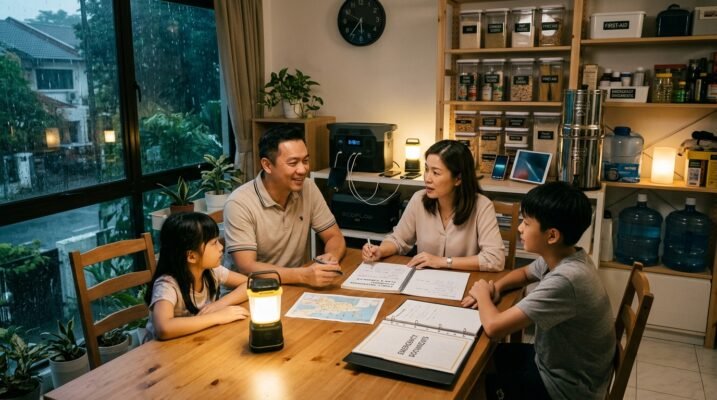
90-Day Preparedness Plan for Malaysian Families | Build Real Resilience
Reading Time: 3 minutes
May

Walkie-Talkie Buyer’s Guide for Malaysian Families | Emergency Communication
Reading Time: 6 minutes
Apr

Family Evacuation Plans in Urban Malaysia | Routes, Meeting Points & Communication
Reading Time: 5 minutes
Apr
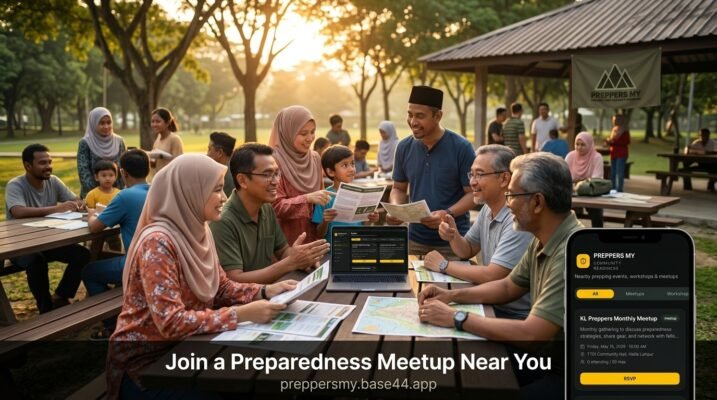

Emergency Lighting Guide for Malaysian Families | Blackout Preparedness
Reading Time: 5 minutes
May

Home Borewell Installation for Water Independence | Secure Your Family’s Water Supply
Reading Time: 5 minutes
Apr
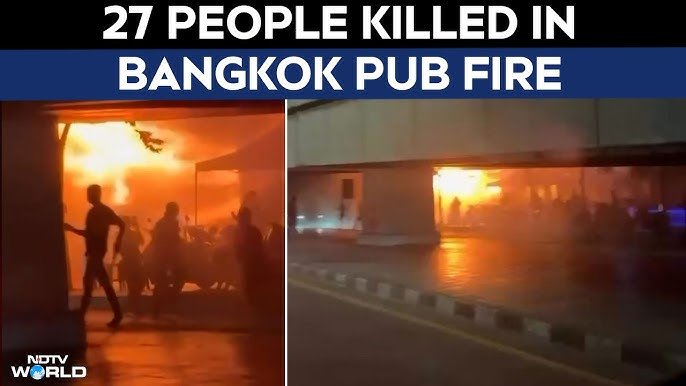
Bangkok Bar Fire: What Happened, and What It Teaches Malaysian Families About Venue Safety
Reading Time: 3 minutes
Jul
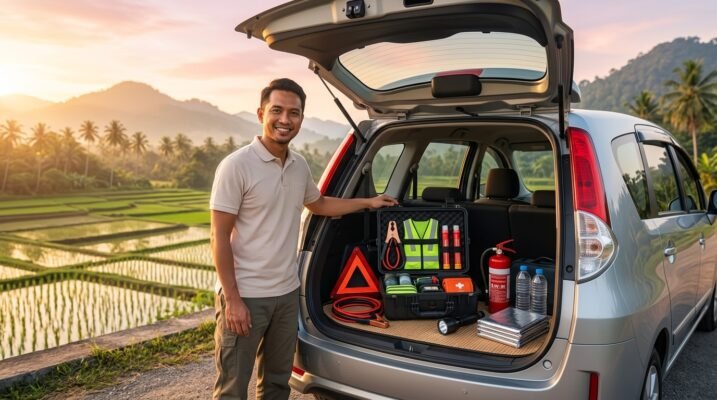
Car Emergency Kit for Malaysian Highways | Monsoon & Breakdown Preparedness
Reading Time: 4 minutes
Apr

Preparing for Tropical Diseases During Emergencies | Malaysian Family Guide
Reading Time: 4 minutes
Apr


Nik Muhammad Hafiz: Building Malaysia’s Preparedness Movement | Preppers MY
Reading Time: 4 minutes
May
Emergency Shelter Building in Tropical Rainforest | Malaysian Jungle Survival Guide
Reading Time: 5 minutes
Apr
Suggested Related Products