Prepping Basics
Financial Preparedness for Malaysian Families | Cash, Inflation & Currency Protection


 Share this Article:
Financial Preparedness for Malaysian Families
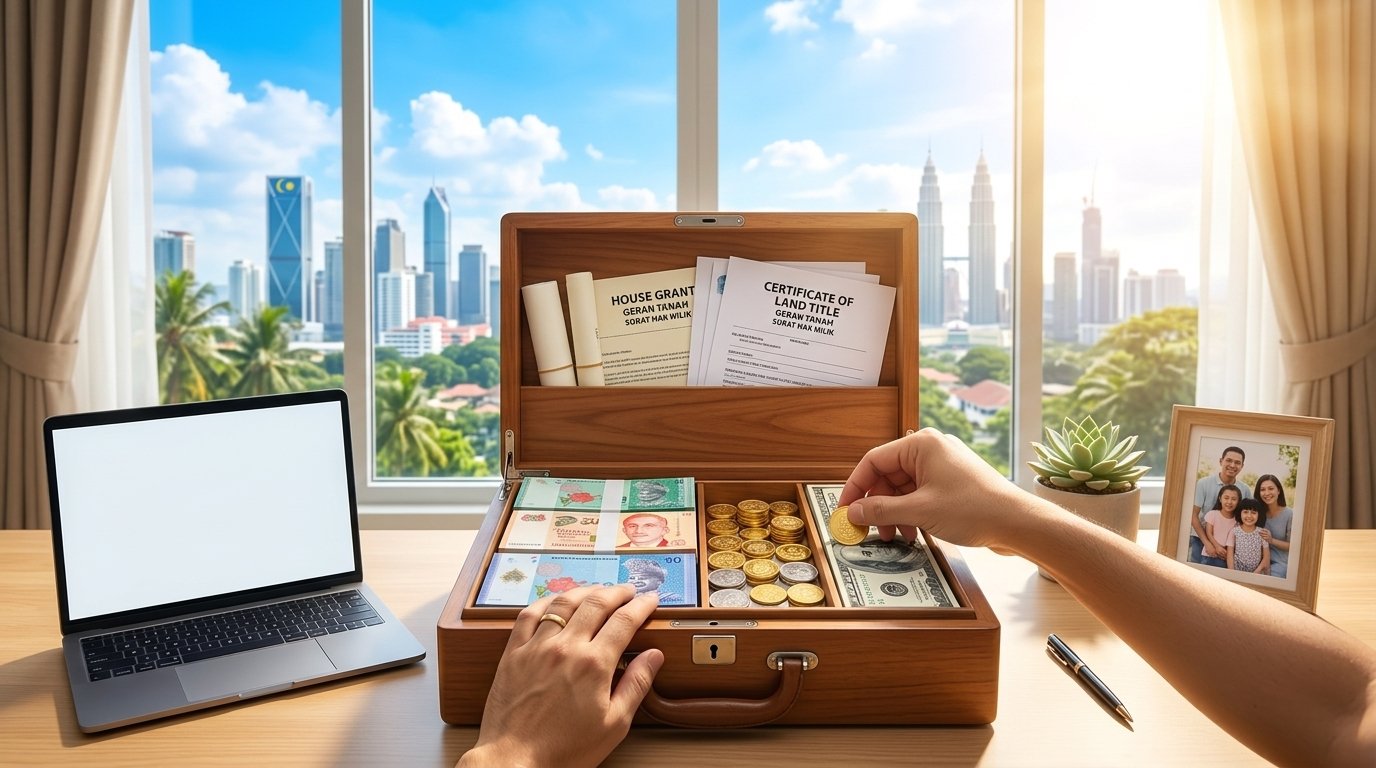
Food, water, shelter, and power matter — but money is also a survival tool. This guide helps Malaysian families build financial resilience through emergency funds, cash access, currency awareness, inflation protection, and discreet long-term planning.
What This Guide Covers
- How to calculate your household emergency fund target
- Cash-at-home planning without overexposure
- Foreign currency and precious metals as risk buffers
- Inflation-aware asset allocation and annual review habits
Why Financial Preparedness Is Often Overlooked
Many preparedness plans focus on physical supplies. But during job loss, economic instability, banking disruption, inflation, medical emergencies, or sudden relocation, financial preparedness determines how many options your family has.
- Emergency expenses: Medical bills, car repairs, house repairs, relocation, and family support.
- Income disruption: Job loss, business slowdown, reduced hours, or delayed payments.
- Inflation: Food, fuel, medicine, and imported goods can rise faster than income.
- Banking disruption: ATMs, online banking, and card terminals may be unavailable during severe events.
- Currency risk: A household holding only one currency is more exposed during exchange-rate shocks.
Preparedness Principle: Financial preparedness is not about predicting collapse. It is about making sure your family has cash flow, liquidity, and options when systems become unstable.
Build Your Emergency Fund First
The first layer is a Malaysian ringgit emergency fund. This protects your household from ordinary emergencies before you worry about more advanced assets.
Emergency Fund Target
- Starter target: 1 month of essential expenses.
- Basic target: 3 months of essential expenses.
- Strong target: 6 months of essential expenses.
- High-resilience target: 12 months if income is variable, business-based, or family responsibilities are high.
Essential expenses include housing, food, utilities, transport, insurance, medicines, school needs, and basic family commitments. Do not include holidays, luxury spending, or upgrades.
Where to Keep It
- Everyday savings: Keep one month very liquid.
- High-interest savings: Good for emergency money that still earns some return.
- Fixed deposits: Useful if staggered so not everything matures at once.
- Money market or low-risk funds: Useful for some families, but understand access time and risk.
Simple Emergency Fund Formula
Monthly essential expenses × number of months = emergency fund target.
Example: RM5,000 monthly essentials × 6 months = RM30,000 emergency fund target.
Cash at Home: How Much Is Practical?
Cash at home helps during short-term banking or power disruptions, but too much cash creates theft, fire, and privacy risk.
- Starter amount: RM500–RM1,000 in small notes.
- Practical family amount: 1–4 weeks of essential cash spending.
- Denominations: Keep RM1, RM5, RM10, RM20, RM50, and some RM100 notes.
- Storage: Use a secure, discreet location known only to trusted household members.
- Rotation: Check notes annually and replace damaged notes.
Foreign Currency Reserves
Foreign currency can be useful as a hedge against ringgit weakness, overseas travel needs, cross-border family support, and regional uncertainty. For Malaysian families, USD and SGD are common options to consider.
Why Keep Some Foreign Currency?
- Travel and relocation buffer: Useful if family must travel or support someone overseas.
- Import-price hedge: Many essential goods are affected by exchange rates.
- Diversification: Avoid keeping all liquid reserves in one currency.
How Much?
- Conservative: 5–10% of liquid savings.
- Moderate: 10–20% of liquid savings.
- Higher exposure: Only for families who understand currency risk and have a specific reason.
Where to Keep It
- Foreign currency bank account: More secure than storing large physical cash.
- Small physical cash reserve: Useful for travel or emergency movement.
- Regulated transfer platforms: Compare rates and fees before converting.
Precious Metals: Gold & Silver
Gold and silver are long-term stores of value. They are not emergency spending money for daily groceries, but they may help preserve purchasing power during inflation, currency stress, or long financial disruption.
Gold vs Silver
- Gold: Compact, high value, easier for long-term wealth storage.
- Silver: Lower value per gram, more divisible, but bulkier to store.
- Balanced approach: Some families use more gold for storage and a smaller amount of silver for divisibility.
How Much?
- Starter: Small monthly purchases if budget allows.
- Conservative: 3–5% of net worth.
- Moderate: 5–10% of net worth.
- Higher allocation: Only if you understand price volatility, storage risk, and liquidity constraints.
Storage
- Home safe: Accessible, but theft risk must be managed.
- Safe deposit box: More secure, but less accessible during bank closures.
- Hybrid approach: Small accessible amount at home, larger portion stored more securely.
Inflation Protection Strategy
Inflation slowly reduces purchasing power. Families need some assets that can grow or produce income over time, not only cash.
Inflation-Aware Assets
- Skills and education: Higher earning power is a powerful inflation hedge.
- Dividend stocks: Can provide income, but prices fluctuate.
- REITs: Real estate exposure with liquidity, but still market-risk assets.
- Property: Long-term hedge, but illiquid and high-cost.
- Precious metals: Store-of-value role, but no yield.
- Business resilience: Multiple income streams reduce dependence on one salary.
Example Allocation Framework
This is a planning example, not personal financial advice. Adjust based on age, income stability, debts, dependents, and risk tolerance.
Complete Financial Preparedness Checklist
Phase 1: Build Foundation
☐ Calculate monthly essential expenses ☐ Save starter emergency fund ☐ Keep small cash reserve at home ☐ List all debts, insurance, and monthly commitments ☐ Store financial documents securelyPhase 2: Expand Protection
☐ Build 3–6 months emergency fund ☐ Create fixed deposit or liquid reserve ladder ☐ Consider foreign currency reserve ☐ Begin small precious metals tracking if appropriate ☐ Review insurance coveragePhase 3: Optimise & Maintain
☐ Build toward 6–12 months of essential expenses ☐ Review asset allocation yearly ☐ Rebalance if one asset becomes too large ☐ Update document backups ☐ Review family financial plan with spouse or trusted decision-makerFinancial Preparedness Summary
- Short-term layer: RM cash access and emergency fund for immediate disruption.
- Medium-term layer: Foreign currency, FD ladder, and liquid reserves for longer instability.
- Long-term layer: Inflation-aware assets, skills, income growth, and hard-asset protection.
The goal is not fear. The goal is options. Families with liquidity, low debt, diversified reserves, and clear documents can respond faster when life changes suddenly.
Get Your Financial Preparedness Worksheet
Complete calculator for emergency fund target, asset allocation planning, purchase tracking for metals, and monitoring spreadsheet. Start building financial resilience today.
Download Free Resources
Financial calm is built before the crisis.
By Dr. Preppers, your emergency preparedness guide.
Presented by Preppers MY · www.preppersmy.com
Suggested Reads
7.8 Earthquake Strikes Southern Philippines — What Malaysian Families Must Know Right Now
Reading Time: 4 minutes
Jun
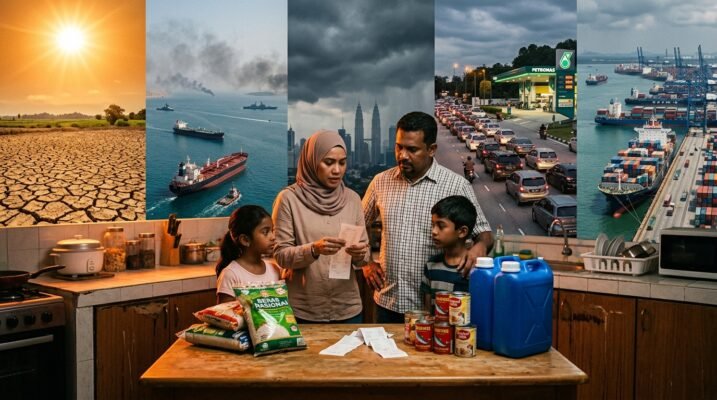
5 Economic Threats in 2026 That Could Change Your Life in Malaysia — And What to Do About It Now
Reading Time: 4 minutes
May

Building Prepper Community in Malaysia | Resilience Through Neighbours & Local Networks
Reading Time: 5 minutes
Apr
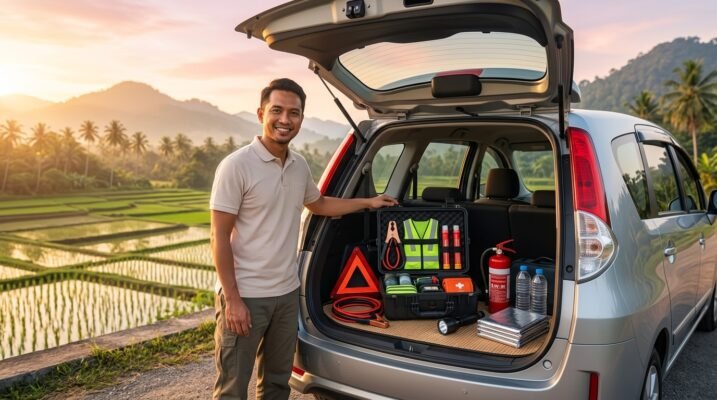
Car Emergency Kit for Malaysian Highways | Monsoon & Breakdown Preparedness
Reading Time: 4 minutes
Apr
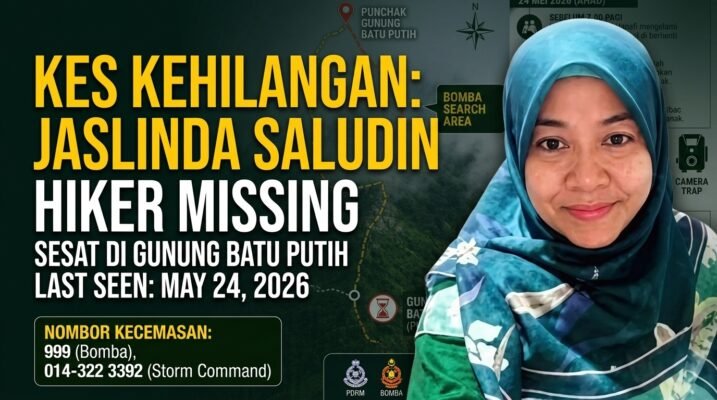
Lost in the Malaysian Jungle: Lessons from Jaslinda’s Disappearance at Gunung Batu Putih
Reading Time: 8 minutes
Jun

Water Purification for Tropical Climates | Safe Drinking Water Guide for Malaysia
Reading Time: 4 minutes
Apr
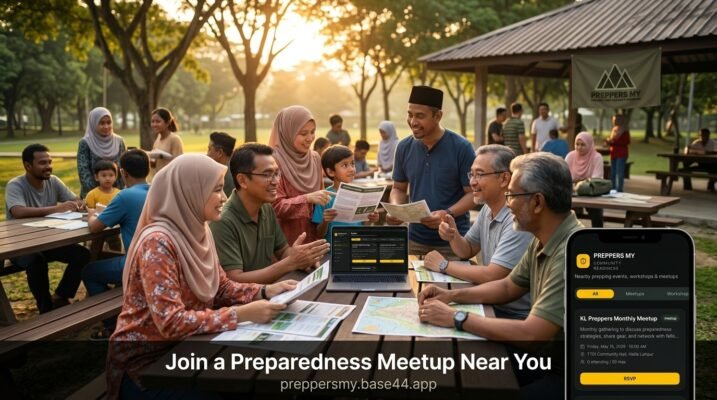

Family Evacuation Plans in Urban Malaysia | Routes, Meeting Points & Communication
Reading Time: 5 minutes
Apr
90-Day Preparedness Plan for Malaysian Families | Build Real Resilience
Reading Time: 3 minutes
May

First Aid for Remote Areas in Malaysia | Austere Medicine Survival Guide
Reading Time: 5 minutes
Apr

Financial Preparedness for Malaysian Families | Cash, Inflation & Currency Protection
Reading Time: 5 minutes
Apr
Home Borewell Installation for Water Independence | Secure Your Family’s Water Supply
Reading Time: 5 minutes
Apr

72-Hour Bug Out Bag for Malaysian Families | Tropical-Ready Evacuation Guide
Reading Time: 6 minutes
Apr
Local Food Security Starts Here | Strengthening Ipoh’s Prepping Community
Reading Time: 4 minutes
Apr

Nik Muhammad Hafiz: Building Malaysia’s Preparedness Movement | Preppers MY
Reading Time: 4 minutes
May

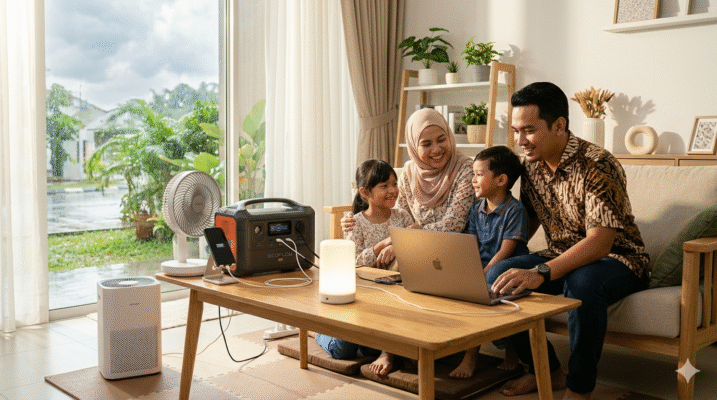
Blackout Ready: Why Every Malaysian Home Needs a Portable Power Station in 2026
Reading Time: 5 minutes
May
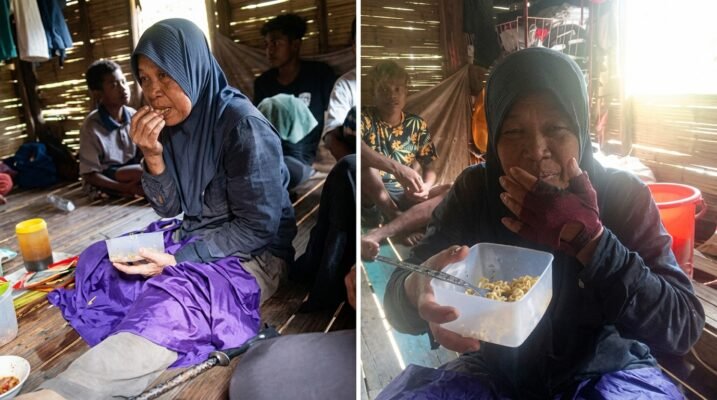
She Survived 14 Days Alone in the Jungle — Jaslinda’s Miracle Has a Lesson for Every Hiker
Reading Time: 6 minutes
Jun

Bangkok Bar Fire: What Happened, and What It Teaches Malaysian Families About Venue Safety
Reading Time: 3 minutes
Jul

Preparing for Tropical Diseases During Emergencies | Malaysian Family Guide
Reading Time: 4 minutes
Apr

Preparedness Through Gardening | Building Family Resilience Naturally
Reading Time: 4 minutes
Apr

Physical Fitness for Preppers | Tropical Climate Training for Malaysian Families
Reading Time: 5 minutes
Apr
Suggested Related Products