Featured Prepper, Latest News, Prepping Basics
Building Prepper Community in Malaysia | Resilience Through Neighbours & Local Networks


 Share this Article:
Building Prepper Community in Malaysia
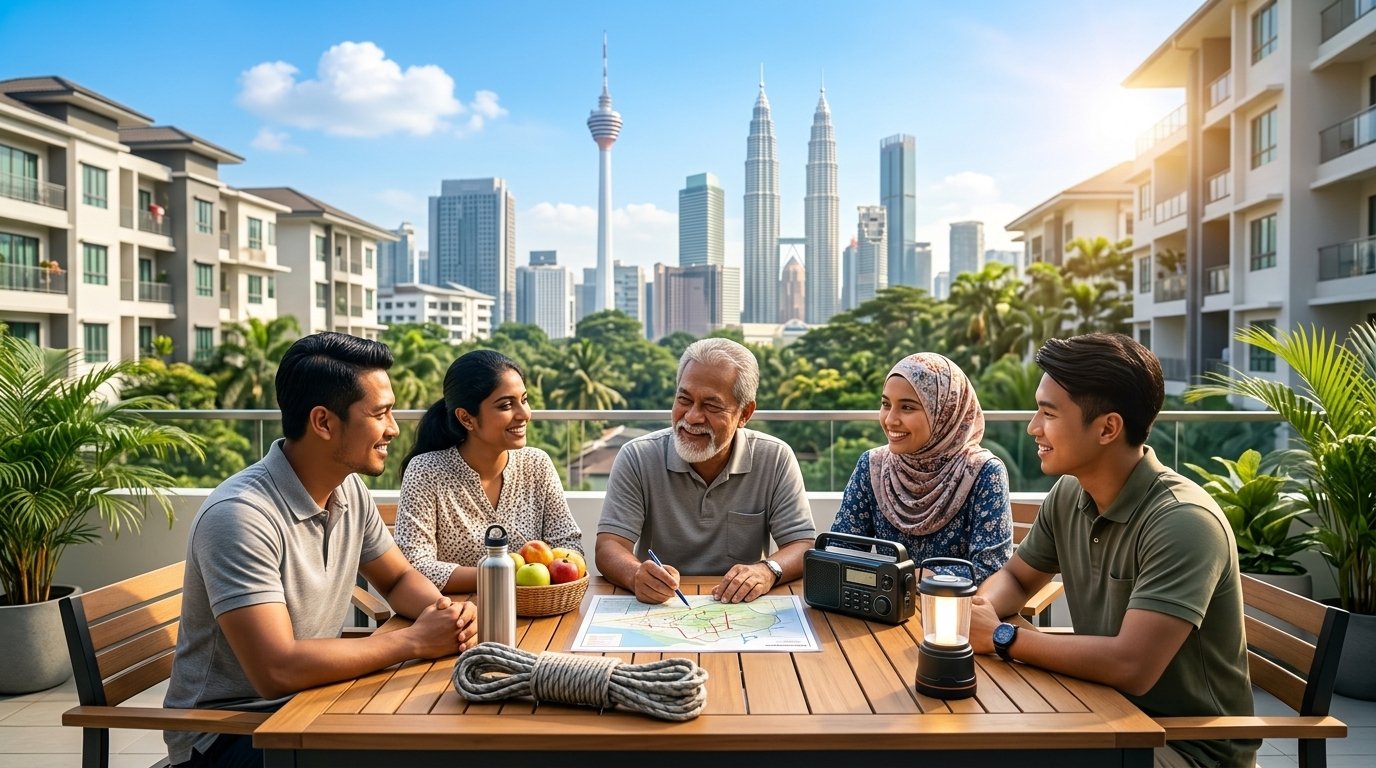
Preparedness is stronger when families are connected. This guide shows Malaysian households how to build trusted local networks, coordinate neighbours, share skills, and create community resilience without exposing every detail of your personal preparations.
What This Guide Covers
- Why community is one of the strongest preparedness assets
- How to start conversations without sounding extreme
- How to build trust, vet members, and protect privacy
- Emergency contact trees, skill-sharing, bulk buying, and local drills
Why Community Is Your Most Important Prep
A family can prepare food, water, power, medicine, and evacuation plans. But in a real crisis, families still need people. Neighbours check on each other, share information, support the elderly, help with children, move supplies, and solve problems together.
- Security: A neighbourhood can watch, warn, and help faster than one household alone.
- Knowledge: One person knows first aid, another knows repairs, another knows water filtration, another knows logistics.
- Labour: Moving sandbags, clearing debris, carrying water, or checking on elderly residents is easier together.
- Emotional resilience: Crisis is harder when isolated. Community reduces fear and improves morale.
- Care support: Children, elderly parents, and disabled neighbours need more than supplies; they need coordination.
Preparedness Principle: Personal preparedness keeps your family stable. Community preparedness helps your whole street recover faster.
Types of Prepper Community Networks
1. Informal Neighbourhood Network
This is the easiest place to start. It does not need a formal name or committee. It can begin with a few trusted neighbours who are willing to share basic updates and check on each other during emergencies.
- Structure: WhatsApp group, simple contact list, and occasional coffee meetups.
- Activities: Share flood alerts, power outage updates, clinic information, evacuation notes, and basic preparedness tips.
- Best For: Condos, terrace rows, taman communities, and small neighbourhood clusters.
2. Organised Local Group
This is a more deliberate preparedness group with regular meetings, skill-sharing, bulk buying, and drills.
- Structure: Monthly meeting, coordinator, contact tree, basic roles, and shared calendar.
- Activities: First aid training, water storage day, fire safety talk, evacuation drill, or bulk purchase planning.
- Best For: Residential associations, surau/mosque groups, church communities, community centres, and apartment committees.
3. Online Community
Online communities are good for information, product recommendations, and moral support. They are weaker for local crisis response unless members are geographically close.
- Structure: Telegram, WhatsApp, Facebook, Discord, or forum group.
- Activities: Share articles, checklists, local supplier links, flood updates, and lessons learned.
- Limitation: Online friends cannot easily help carry water, move elderly parents, or open a blocked gate.
Starting the First Conversation
The goal is to sound practical, not dramatic. Most people understand insurance, flood risk, blackouts, food prices, illness, and family safety. Start there.
Approach 1: Tie It to a Recent Event
“That recent flood/power outage was a reminder. I’m putting together a simple family emergency plan. Have you done anything like that?”
Approach 2: Frame It as Household Insurance
“I’m not trying to be extreme. I just want a few days of food, water, medicine, and a plan in case something disrupts normal life.”
Approach 3: Invite Them to a Practical Activity
“I’m learning basic water filtration / first aid / evacuation planning. Want to join? Could be useful for our families.”
Approach 4: Start with Naturally Prepared People
- Medical professionals
- Outdoor and camping enthusiasts
- Security, police, military, or rescue-trained people
- Farmers, gardeners, or practical tradespeople
- Older family members who remember past disruptions
- Parents who already think about family safety
Building Trust & Vetting Members
Community preparedness needs trust. You do not need to reveal your full stockpile, financial situation, family vulnerabilities, or storage locations to everyone.
Green Flags
- Reliable: Shows up and follows through.
- Humble: Listens and learns without dominating.
- Practical: Focuses on solutions rather than drama.
- Generous: Willing to help, not just receive.
- Discrete: Does not gossip about other people’s private details.
Red Flags
- Gossiping: Shares private information carelessly.
- Entitlement: Expects others to provide without contributing.
- Aggression: Turns every discussion into control or conflict.
- Recklessness: Unsafe behaviour, poor judgment, or careless handling of tools and money.
- Drama: Creates tension that weakens group trust.
Simple Vetting Process
- Casual conversation: Gauge their interest and attitude.
- Small activity: Invite them to a walk, class, or short preparedness discussion.
- Low-commitment group: Add them to an alert-only group first.
- Observe reliability: Do they show up, contribute, and respect privacy?
- Increase involvement slowly: Trust grows through months of consistent behaviour.
Practical Community Activities
Monthly Coffee Meetup
A simple one-hour gathering to discuss one topic: water, food, power, first aid, evacuation, or monsoon readiness. Keep it friendly and family-focused.
Quarterly First Aid Training
Invite a trained instructor or medically trained neighbour to teach CPR awareness, wound care, fever monitoring, heat illness, and emergency response basics.
Group Evacuation Drill
Practice where people meet, how long it takes to leave, who checks on elderly neighbours, and which route is safest.
Bulk Buying Event
Coordinate purchases of rice, canned goods, water containers, first aid items, batteries, and cleaning supplies. Bulk buying can reduce costs and increase participation.
Skill-Sharing Evening
One person teaches one useful skill: knot tying, basic repairs, water filtering, food rotation, simple gardening, or emergency communication.
Community Garden
A small shared garden builds food awareness, neighbour relationships, and practical skills. It also creates regular reasons to meet.
Emergency Contact Tree
During emergencies, one person cannot call everyone. A contact tree spreads information quickly and prevents confusion.
Sample Contact Tree
Coordinator: Receives verified information and sends the first alert.
Level 1 Contacts: Five trusted people each contact two or three households.
Printed List: Every key household keeps phone numbers, addresses, and meeting point information offline.
Physical Meeting Point: If phones fail, members gather at a pre-agreed safe place at set times.
Message Format: “Situation + location + action + time.” Example: “Flood rising at main road. Move cars to higher ground by 5pm.”
Handling Skeptics & Maintaining Privacy
When Someone Says It Sounds Paranoid
Do not argue. Keep the frame practical: “I see it like insurance. I hope I never need it, but I want my family and neighbours to be safer if something happens.”
Privacy Protocol
- Do not reveal full inventory: Talk about general preparedness, not exact quantities.
- Do not show storage locations casually: Keep private household details private.
- Do not post stockpile photos online: Share lessons, not vulnerabilities.
- Keep member lists controlled: Do not publicly share who has what.
- Separate public education from private planning: Public talks can be general; trusted groups can go deeper.
Role Structure for Organised Groups
Suggested Roles for a 10–20 Person Group
- Coordinator: Schedules meetings, maintains contact tree, and sends updates.
- Training Lead: Organises first aid, drills, and skill-sharing sessions.
- Supplies Lead: Coordinates bulk buying and supplier research.
- Communications Lead: Manages WhatsApp/Telegram, printed lists, and emergency messaging.
- Member Support: Checks on elderly, disabled, single-parent, or vulnerable households.
Best practice: Rotate roles yearly so one person does not carry everything.
Growing Your Community Responsibly
- Start small: Three to five reliable people is enough to begin.
- Add slowly: Invite people based on trust and contribution, not excitement alone.
- Use word of mouth: It is safer and more natural than public advertising.
- Keep groups local: Small local groups respond faster than large scattered groups.
- Split if too large: A 50-person group may be less effective than five 10-person clusters.
Long-Term Community Health
- Meet regularly: Monthly or quarterly rhythm keeps the group alive.
- Celebrate wins: Completed first aid training, group purchase, or evacuation drill deserves recognition.
- Resolve conflict early: Small disagreements become major trust problems if ignored.
- Keep the tone practical: Avoid fear-based discussions that exhaust people.
- Review annually: Update contacts, roles, supplies, and local risks.
Get Your Community Building Starter Kit
Complete guide with conversation starters, emergency contact tree template, meeting agenda samples, group charter template, role descriptions, and bulk buying resources for Malaysia.
Download Free Resources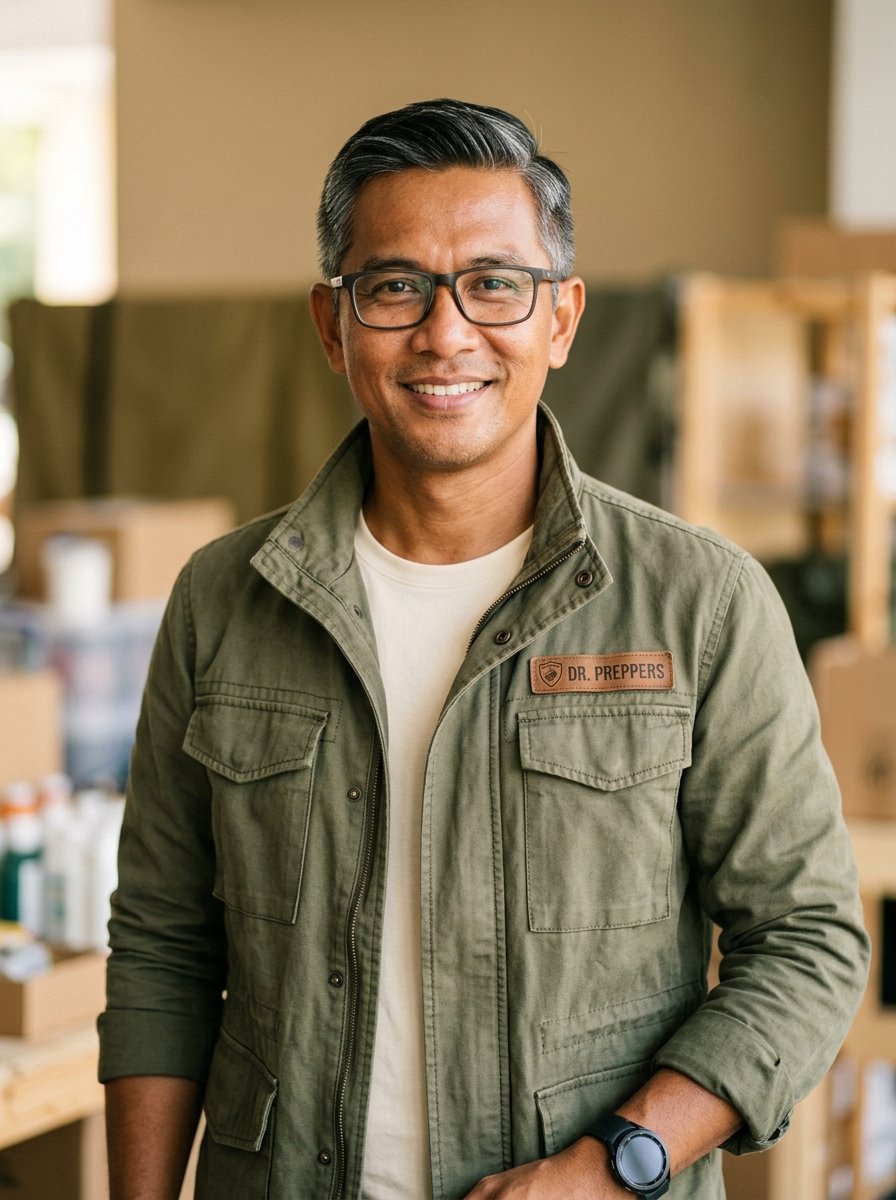
Prepared families survive. Prepared communities recover.
By Dr. Preppers, your emergency preparedness guide.
Presented by Preppers MY · www.preppersmy.com
Suggested Reads
She Survived 14 Days Alone in the Jungle — Jaslinda’s Miracle Has a Lesson for Every Hiker
Reading Time: 6 minutes
Jun
Physical Fitness for Preppers | Tropical Climate Training for Malaysian Families
Reading Time: 5 minutes
Apr
Water Purification for Tropical Climates | Safe Drinking Water Guide for Malaysia
Reading Time: 4 minutes
Apr
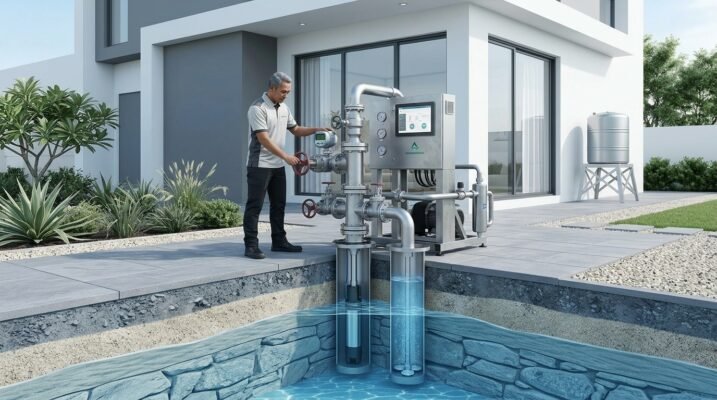
Home Borewell Installation for Water Independence | Secure Your Family’s Water Supply
Reading Time: 5 minutes
Apr
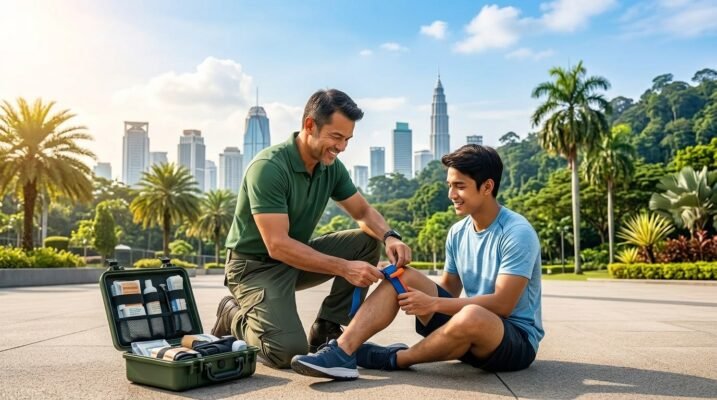
First Aid for Remote Areas in Malaysia | Austere Medicine Survival Guide
Reading Time: 5 minutes
Apr
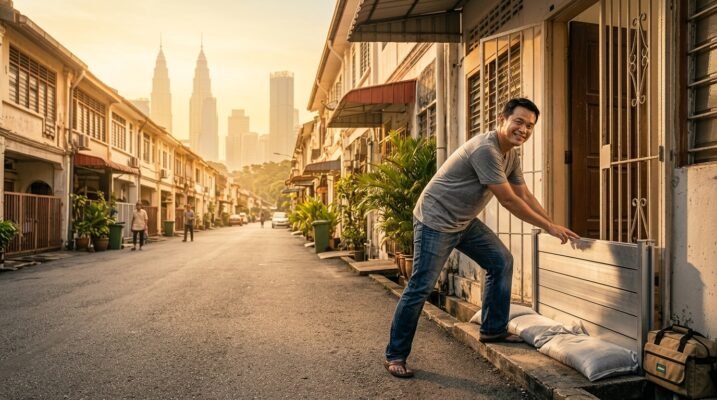
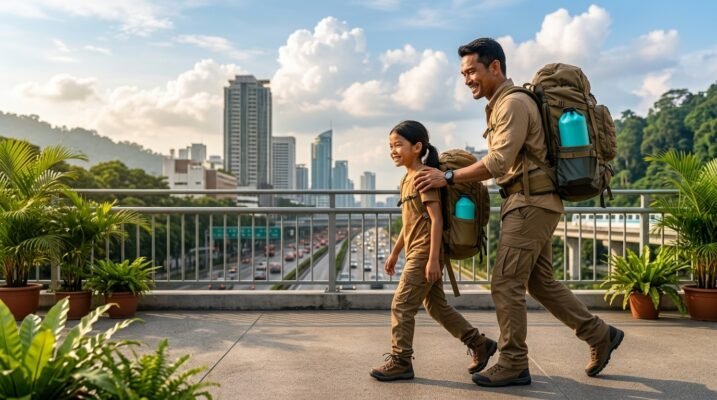
72-Hour Bug Out Bag for Malaysian Families | Tropical-Ready Evacuation Guide
Reading Time: 6 minutes
Apr
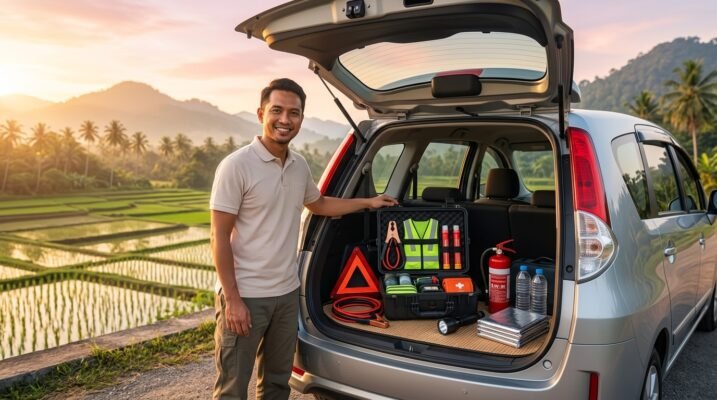
Car Emergency Kit for Malaysian Highways | Monsoon & Breakdown Preparedness
Reading Time: 4 minutes
Apr

From Viral Videos to Community Awareness | Building Preparedness in Malaysia
Reading Time: 3 minutes
May
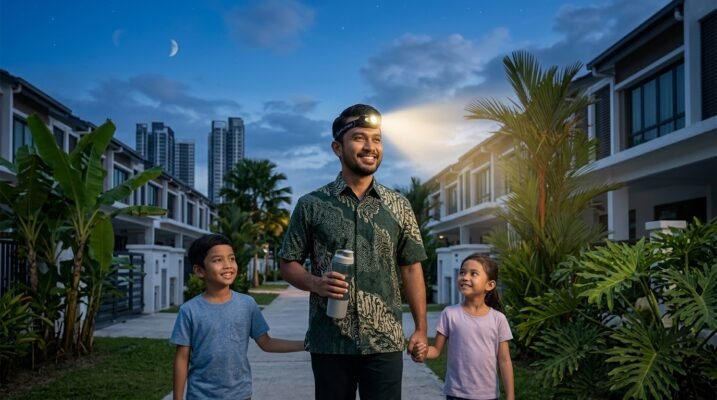
Emergency Lighting Guide for Malaysian Families | Blackout Preparedness
Reading Time: 5 minutes
May
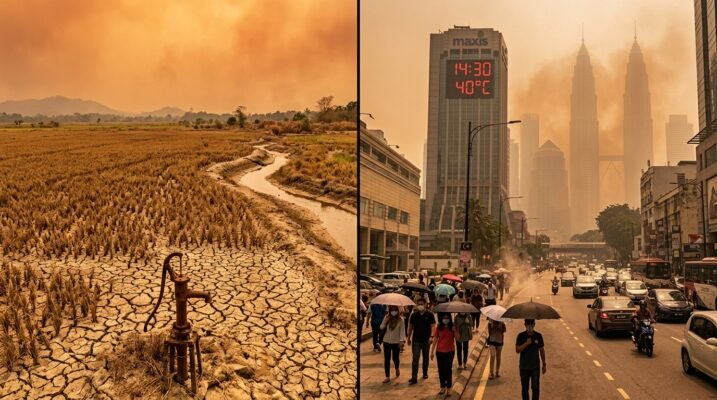
El Niño Is Coming Back — And This Time, It Could Be the Worst Malaysia Has Ever Seen
Reading Time: 5 minutes
May

Walkie-Talkie Buyer’s Guide for Malaysian Families | Emergency Communication
Reading Time: 6 minutes
Apr
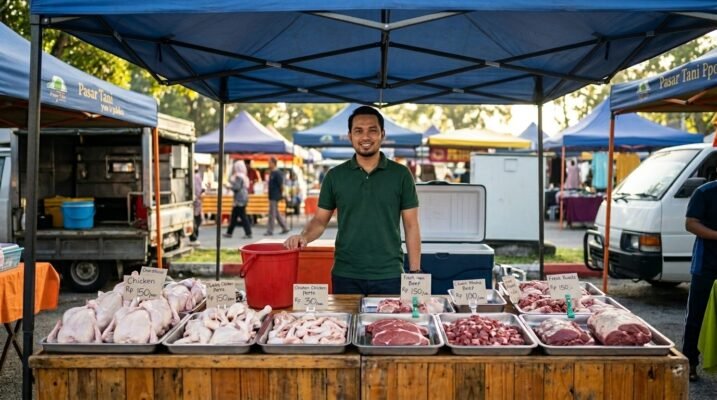
Local Food Security Starts Here | Strengthening Ipoh’s Prepping Community
Reading Time: 4 minutes
Apr

Home Solar Installation for Malaysian Families | Energy Independence Guide
Reading Time: 5 minutes
Apr
Preparing for Tropical Diseases During Emergencies | Malaysian Family Guide
Reading Time: 4 minutes
Apr
Family Evacuation Plans in Urban Malaysia | Routes, Meeting Points & Communication
Reading Time: 5 minutes
Apr
Blackout Ready: Why Every Malaysian Home Needs a Portable Power Station in 2026
Reading Time: 5 minutes
May
South China Sea Geopolitical Crisis | How Malaysian Families Can Prepare
Reading Time: 5 minutes
Apr
7.8 Earthquake Strikes Southern Philippines — What Malaysian Families Must Know Right Now
Reading Time: 4 minutes
Jun

Financial Preparedness for Malaysian Families | Cash, Inflation & Currency Protection
Reading Time: 5 minutes
Apr
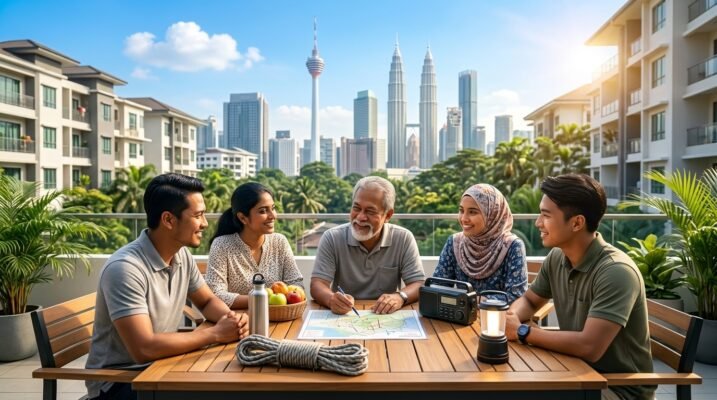
Building Prepper Community in Malaysia | Resilience Through Neighbours & Local Networks
Reading Time: 5 minutes
Apr
90-Day Preparedness Plan for Malaysian Families | Build Real Resilience
Reading Time: 3 minutes
May
Suggested Related Products