Featured Services
Home Borewell Installation for Water Independence | Secure Your Family’s Water Supply


 Share this Article:
Home Borewell Installation for Water Independence
A home borewell can give Malaysian families a private water source for selected household uses, especially during municipal disruptions. This guide explains how borewells work, what installation involves, what to test, and the key risks to consider before drilling.
What This Guide Covers
- How borewells access underground water
- Site survey, drilling, pump installation, and water testing
- Cost ranges, optional filtration, and maintenance needs
- Preparedness benefits and limitations during power outages
- Questions to ask before hiring a borewell contractor
Why Independent Water Access Matters
Municipal water supply is convenient, but it is not immune to disruption. Drought, dam stress, maintenance shutdowns, pipe damage, contamination alerts, or neighbourhood-level failures can affect normal household life quickly.
A borewell provides another layer of water resilience by accessing groundwater beneath your property. For suitable locations, it can support garden use, cleaning, flushing, and — only after proper testing and treatment — possible household use.
Preparedness Principle: A borewell is not a replacement for safe water testing, storage, filtration, and maintenance. It is one more layer in a stronger water plan.
What Is a Borewell?
The Basics
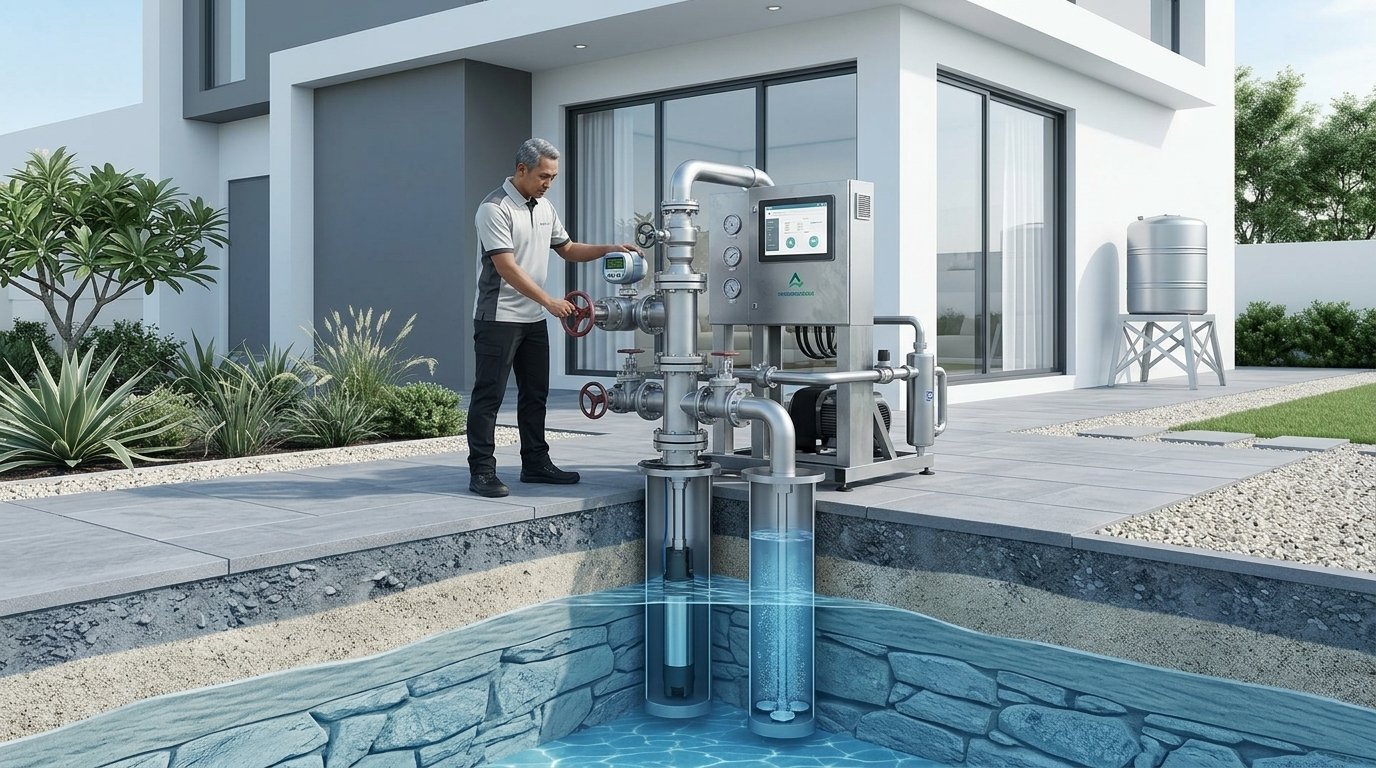
A borewell, sometimes called a tube well or artesian well, is a narrow vertical hole drilled into the ground to reach groundwater. The hole is protected with casing, then connected to a pump system that brings water to the surface.
How It Works
- Drilling: A contractor drills to the depth where groundwater is available.
- Casing: Steel or PVC casing protects the well from collapse and surface contamination.
- Pump installation: A submersible or surface pump moves water to a storage tank or pressure system.
- Distribution: Water is directed to selected household uses or a separate storage tank.
- Recharge: Groundwater may be replenished by rainfall, but actual recharge depends on local geology, extraction, and land conditions.
Key Terms Explained
- Borewell / Tube Well: A drilled well used to access groundwater.
- Artesian Well: A well where underground pressure may cause water to rise naturally.
- Water Table: The depth at which groundwater is found.
- Aquifer: A water-bearing underground layer of soil, sand, gravel, or rock.
- Submersible Pump: A pump placed inside the well to push water upward.
Step-by-Step: Getting a Borewell Installed
Phase 1: Site Survey & Feasibility
A professional contractor assesses your land, estimates groundwater depth, checks access for drilling equipment, and looks for risks such as nearby septic systems, drains, chemicals, or underground utilities.
- Potential drilling location
- Groundwater depth estimate
- Soil and geology conditions
- Distance from contamination sources
- Space for pump, tank, and maintenance access
Phase 2: Drilling & Casing
The drilling rig creates the borehole. Once water is reached, casing is installed to protect the well. The contractor should test flow rate and confirm whether the yield is suitable for your planned use.
Phase 3: Pump & Plumbing Setup
A pump, pressure tank or storage tank, piping, electrical connection, and safety controls are installed. You may choose a standalone system or limited integration with selected household lines.
Phase 4: Water Testing & Treatment
Water should be tested before use. Depending on results, you may need sediment filtration, carbon filtration, UV sterilisation, softening, iron removal, or other treatment.
Cost Breakdown: What You Actually Pay
Costs vary by location, depth, geology, pump size, plumbing distance, filtration needs, and contractor quality. Use these as planning categories rather than fixed prices.
Typical Borewell Cost Categories
- Site survey and mobilisation
- Drilling by depth
- Well casing and sealing
- Submersible or surface pump
- Pressure tank or storage tank
- Piping and electrical work
- Water testing
- Optional filtration or treatment
Optional Add-Ons
- Sediment filtration: Removes sand, silt, and particles.
- UV steriliser: Helps control bacteria if water quality requires it.
- Water softener: Useful for hard water areas.
- Storage tank: Adds buffer when pump is off or power fails.
- Solar or battery backup: Keeps pumping possible during outages.
Preparedness Benefits
Protection from Municipal Disruptions
When municipal supply is interrupted, a borewell may allow your household to continue essential water use, especially for cleaning, toilets, garden, and emergency reserve filling.
Reduced Reliance on One Source
- Municipal water: Main daily supply.
- Stored water: Immediate backup.
- Rainwater: Seasonal support for non-drinking uses.
- Borewell: Long-term independent source if water quality and yield are suitable.
Useful for Gardens and Food Resilience
For families growing vegetables, a borewell can reduce dependence on treated municipal water for irrigation. This is especially valuable during dry spells, but extraction should still be responsible.
Important Considerations Before Drilling
Not every property is ideal. Coastal areas may face salinity. Some urban sites may have contamination risk. Always start with a site survey and local experience.
Ask the contractor what happens if expected yield is not achieved. Clarify depth limits, extra drilling charges, and whether they provide any guarantee.
Never assume. Test for bacteria, turbidity, pH, hardness, iron, salinity, heavy metals, and other local concerns. Treat water according to test results.
Most pumps need electricity. Without backup power or a storage tank, you may not be able to access water during outages. Plan for solar, battery, generator, or stored water backup.
Requirements can vary by location, land type, and local authority. Ask your contractor and check with the relevant authority before drilling.
Maintenance: What’s Required
Routine Care
- Monthly: Check pump operation, pressure, leaks, and visible water clarity.
- Quarterly: Inspect filters, storage tank, and electrical protection.
- Annually: Conduct water quality testing and review flow performance.
- After floods: Test water again before drinking or cooking use.
Potential Issues
- Pump failure: Pumps may need repair or replacement after years of service.
- Silt or sand: Can indicate screen, casing, or aquifer issues.
- Water level drop: May happen during drought or over-extraction.
- Water quality changes: Taste, smell, cloudiness, or staining should trigger testing.
Questions to Ask a Borewell Contractor
- How many borewells have you drilled in this area?
- What depth and yield do you expect?
- What happens if water is not found?
- What casing material do you use?
- How do you prevent surface contamination?
- What pump size do you recommend and why?
- Will the water be connected to storage, pressure tank, or direct use?
- What water tests do you recommend before use?
- What maintenance is required each year?
- Are any local approvals required?
Ready to Assess Your Water Independence Options?
Contact Tube Well Artesian for borewell site assessment, drilling suitability, water testing guidance, and residential installation planning.
Get Borewell Assessment
Do not wait for dry taps to start looking underground.
By Dr. Preppers, your emergency preparedness guide.
Presented by Preppers MY · www.preppersmy.com
Suggested Reads


Walkie-Talkie Buyer’s Guide for Malaysian Families | Emergency Communication
Reading Time: 6 minutes
Apr

Local Food Security Starts Here | Strengthening Ipoh’s Prepping Community
Reading Time: 4 minutes
Apr
Water Filter Comparison for Malaysian Water Sources | Best Emergency Filters
Reading Time: 5 minutes
Apr

Car Emergency Kit for Malaysian Highways | Monsoon & Breakdown Preparedness
Reading Time: 4 minutes
Apr

Financial Preparedness for Malaysian Families | Cash, Inflation & Currency Protection
Reading Time: 5 minutes
Apr
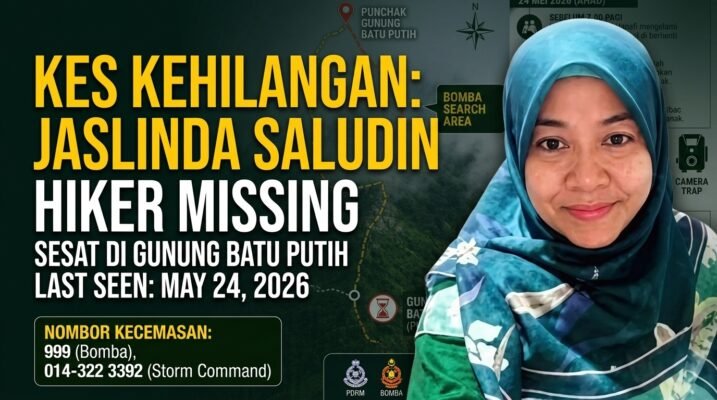
Lost in the Malaysian Jungle: Lessons from Jaslinda’s Disappearance at Gunung Batu Putih
Reading Time: 8 minutes
Jun
72-Hour Bug Out Bag for Malaysian Families | Tropical-Ready Evacuation Guide
Reading Time: 6 minutes
Apr

Physical Fitness for Preppers | Tropical Climate Training for Malaysian Families
Reading Time: 5 minutes
Apr

From Viral Videos to Community Awareness | Building Preparedness in Malaysia
Reading Time: 3 minutes
May

Preparedness Through Gardening | Building Family Resilience Naturally
Reading Time: 4 minutes
Apr
South China Sea Geopolitical Crisis | How Malaysian Families Can Prepare
Reading Time: 5 minutes
Apr

Preparing for Tropical Diseases During Emergencies | Malaysian Family Guide
Reading Time: 4 minutes
Apr
Bangkok Bar Fire: What Happened, and What It Teaches Malaysian Families About Venue Safety
Reading Time: 3 minutes
Jul

First Aid for Remote Areas in Malaysia | Austere Medicine Survival Guide
Reading Time: 5 minutes
Apr
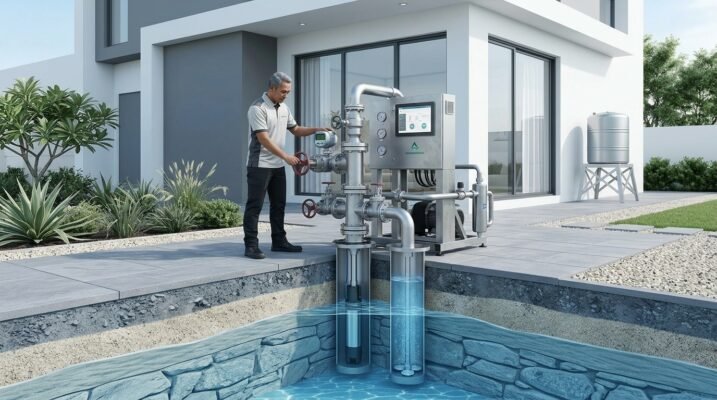
Home Borewell Installation for Water Independence | Secure Your Family’s Water Supply
Reading Time: 5 minutes
Apr

7.8 Earthquake Strikes Southern Philippines — What Malaysian Families Must Know Right Now
Reading Time: 4 minutes
Jun


Nik Muhammad Hafiz: Building Malaysia’s Preparedness Movement | Preppers MY
Reading Time: 4 minutes
May

Home Solar Installation for Malaysian Families | Energy Independence Guide
Reading Time: 5 minutes
Apr
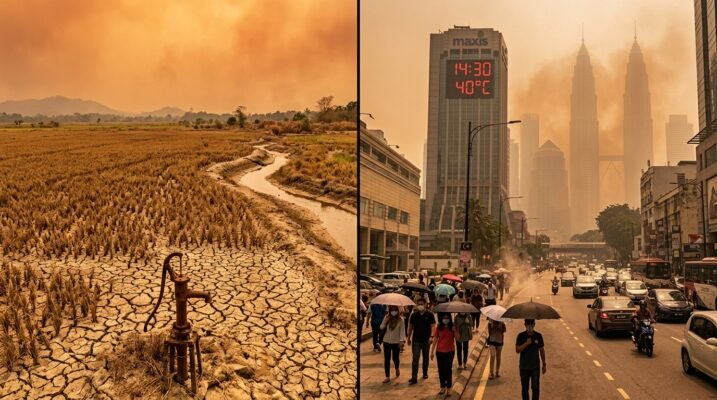
El Niño Is Coming Back — And This Time, It Could Be the Worst Malaysia Has Ever Seen
Reading Time: 5 minutes
May
Suggested Related Products