Emergency Scenarios
Preparing for Tropical Diseases During Emergencies | Malaysian Family Guide


 Share this Article:
Preparing for Tropical Diseases During Emergencies
When hospitals are overwhelmed, medicines are scarce, and clean water disappears, tropical diseases kill. Dengue, malaria, heat illness, and waterborne diseases spike during every major emergency. This guide shows how to prevent them and respond safely when help is delayed.
What This Guide Covers
- Dengue, malaria, leptospirosis, and waterborne disease risks
- Heat exhaustion and heatstroke warning signs
- Essential prevention supplies for Malaysian families
- Home support steps and when to seek urgent medical care
Why Tropical Diseases Are Your Hidden Emergency Risk
Most preparedness advice focuses on food and water. For Malaysian families, disease prevention must be just as important.
During major floods and emergencies, dengue, leptospirosis, diarrhea, and other waterborne illnesses can rise quickly. Clean water disappears. Sewage can mix with floodwater. Mosquito breeding sites multiply. Clinics and hospitals may become overwhelmed or difficult to reach.
In normal times, these illnesses are already serious. During emergencies, they become more dangerous because dehydration, delayed treatment, lack of medicines, and poor sanitation make recovery harder.
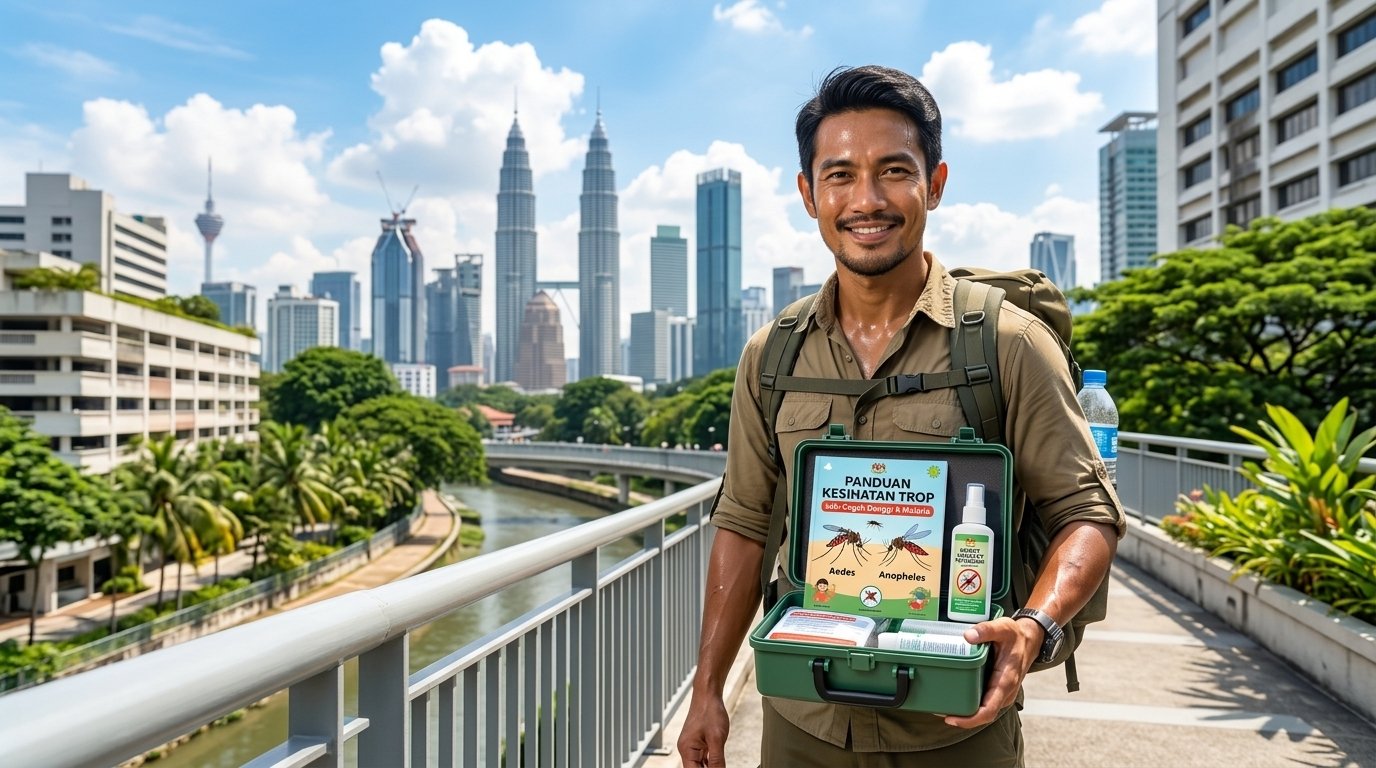
The Hard Truth: Standard first aid kits often miss tropical disease prevention. Malaysian emergency kits should include mosquito protection, ORS, fever monitoring, hydration supplies, clean water systems, and medical planning.
The Four Biggest Tropical Disease Threats
1. Dengue Fever
Transmission: Mosquito bites, especially from Aedes mosquitoes.
Common Symptoms: High fever, severe headache, joint pain, muscle pain, rash, nausea, bruising, or bleeding.
Danger Signs: Persistent vomiting, severe abdominal pain, bleeding, drowsiness, confusion, or difficulty breathing.
Prevention: Use mosquito repellent, mosquito nets, long sleeves, and remove standing water around the home.
Home Support: Hydration, rest, ORS, and paracetamol for fever. Avoid ibuprofen, aspirin, and other NSAIDs unless advised by a doctor.
2. Malaria
Transmission: Anopheles mosquito bites, usually more active at night.
Symptoms: Fever, chills, sweating, headache, body aches, fatigue, and sometimes jaundice or dark urine.
Higher Risk Areas: Forested, rural, or interior areas, especially in parts of Sabah and Sarawak.
Prevention: Mosquito nets, repellents, long clothing, and medical advice before travel to endemic areas.
Important: Suspected malaria requires medical testing and treatment. Do not rely on guesswork.
3. Leptospirosis
Transmission: Exposure to contaminated water, mud, or food, often associated with rat urine after floods.
Symptoms: Fever, headache, muscle pain, vomiting, red eyes, abdominal pain, or jaundice.
Danger: Severe leptospirosis can affect the kidneys, liver, lungs, and bleeding system.
Prevention: Avoid floodwater when possible. Wear boots and gloves. Clean wounds immediately after exposure.
Important: Seek medical care early if fever develops after floodwater exposure.
4. Waterborne Diseases
Examples: Diarrhea, typhoid-like illness, cholera-like illness, hepatitis A, and food poisoning.
Transmission: Contaminated water, unsafe food, poor sanitation, and dirty hands.
Symptoms: Diarrhea, vomiting, abdominal pain, fever, weakness, and dehydration.
Prevention: Filter or boil water, wash hands, separate contaminated items, and avoid unsafe food.
Home Support: ORS is essential. Dehydration is often the most immediate danger.
Heat Illness: The Overlooked Killer
Malaysia’s heat and humidity can turn emergencies into medical crises. During power outages, evacuation, cleanup, or long queues for supplies, heat exhaustion can progress into heatstroke.
Heat Exhaustion vs Heatstroke
Heat Exhaustion: Heavy sweating, weakness, dizziness, nausea, headache, muscle cramps, and fatigue.
Heatstroke Danger Signs: Confusion, collapse, seizures, very high body temperature, or loss of consciousness.
Prevention: Drink before you are thirsty, use shade, avoid midday heat, wear light clothing, and rest often.
Immediate Support: Move to shade, cool the body, sip water or ORS, and seek urgent help if symptoms do not improve.
Your Tropical Disease Emergency Kit
Core Supplies to Stock
- ORS packets: Essential for diarrhea, vomiting, heat illness, and dehydration.
- Thermometer: Helps track fever and heat illness.
- Paracetamol: Fever support, especially when dengue is possible.
- Mosquito repellent: DEET or other effective repellent options.
- Mosquito nets and coils: Useful when sleeping conditions are disrupted.
- Water filtration system: One of the strongest disease-prevention investments.
- Antiseptic and wound care: Floodwater wounds can become infected quickly.
- Gloves, boots, and masks: Reduce exposure during flood cleanup.
Medicines and Medical Planning
Some medicines mentioned in preparedness discussions may require prescriptions or pharmacist supervision in Malaysia. Store medicines legally, follow labels, and seek medical advice for children, pregnancy, elderly family members, chronic disease, and severe symptoms.
- Chronic medications: Keep a practical buffer supply when possible.
- Antihistamines: Useful for bites, allergies, and itching.
- Anti-diarrheal medication: Use carefully and avoid if there is blood in stool or high fever.
- Prescription antibiotics: Only use with proper medical guidance.
- Medical information card: Include allergies, medications, blood type, and emergency contacts.
Prevention Is Everything
In an emergency, medical access may be delayed. Prevention is safer than trying to treat serious disease when hospitals are overloaded.
Prevention Hierarchy: Clean water, mosquito control, safe food, sanitation, hydration, and early warning signs. Treatment should never be the first line of defense.
Key Preparation Steps
- Prepare mosquito protection: Stock repellent, nets, coils, and long clothing.
- Build a clean water system: Store water and keep filtration or boiling options ready.
- Stock ORS: Keep enough packets for family use during illness or heat exposure.
- Create a medical card: Include allergies, medication list, emergency contacts, and chronic conditions.
- Protect against floodwater: Store gloves, boots, antiseptic, and wound care supplies.
- Teach warning signs: Ensure family members recognize dengue danger signs, dehydration, and heatstroke.
- Know where to get help: List nearest clinics, hospitals, and emergency contacts offline.
Download Tropical Disease Emergency Reference
Quick-reference guide covering symptoms, prevention, and home support for dengue, malaria, leptospirosis, and heat illness. Print and keep with your medical supplies.
Get Free ResourcesFinal Word
In emergencies, simple illnesses can become dangerous. Diarrhea can become dehydration. A fever may be dengue. A mosquito bite can become a serious infection. Heat exhaustion can become heatstroke.
But with preparation—clean water, mosquito control, ORS, basic medical supplies, and early recognition—you can protect your family better.
Prepare now. Understand tropical disease risks. Stock practical supplies. Know when to seek help.

Prevent disease before it becomes an emergency.
By Dr. Preppers, your emergency preparedness guide.
Presented by Preppers MY · www.preppersmy.com
Suggested Reads
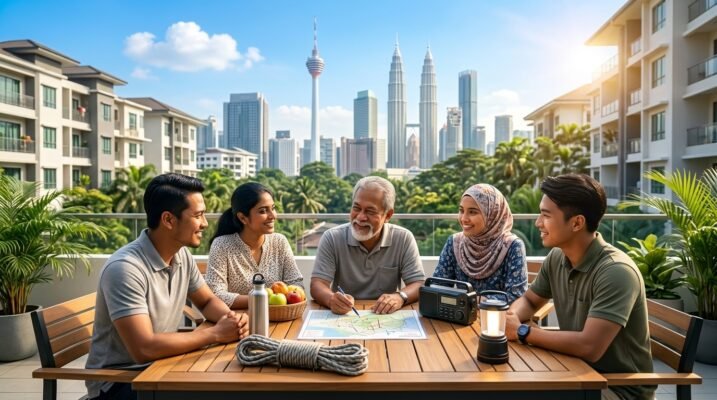
Building Prepper Community in Malaysia | Resilience Through Neighbours & Local Networks
Reading Time: 5 minutes
Apr

Emergency Lighting Guide for Malaysian Families | Blackout Preparedness
Reading Time: 5 minutes
May
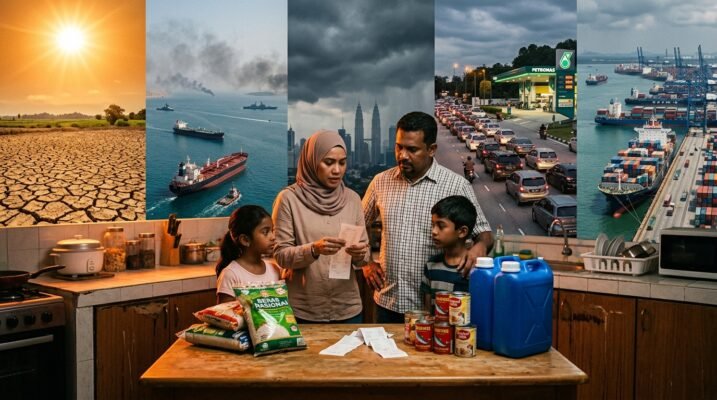
5 Economic Threats in 2026 That Could Change Your Life in Malaysia — And What to Do About It Now
Reading Time: 4 minutes
May

Physical Fitness for Preppers | Tropical Climate Training for Malaysian Families
Reading Time: 5 minutes
Apr
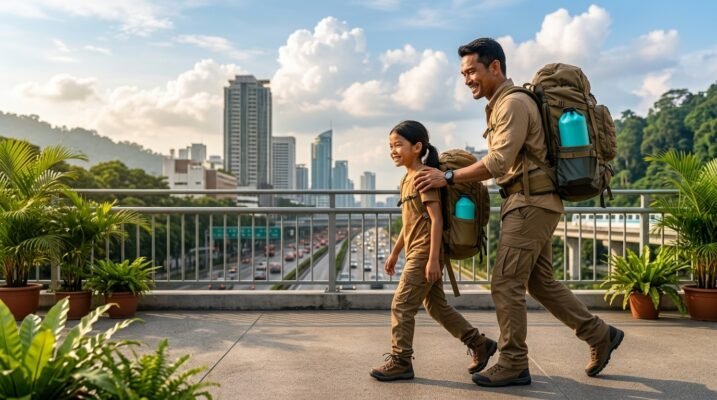
72-Hour Bug Out Bag for Malaysian Families | Tropical-Ready Evacuation Guide
Reading Time: 6 minutes
Apr
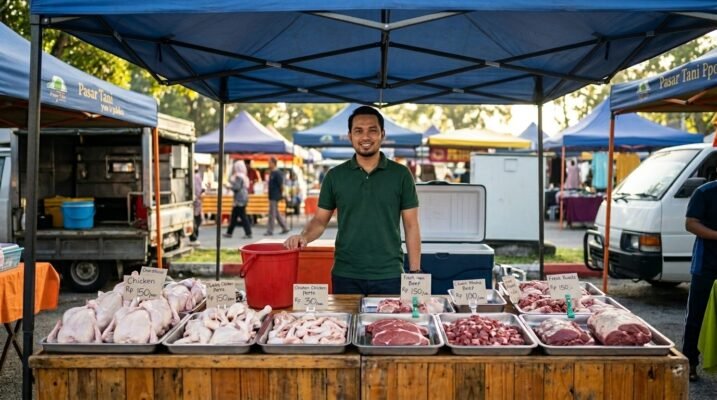
Local Food Security Starts Here | Strengthening Ipoh’s Prepping Community
Reading Time: 4 minutes
Apr

From Classroom to Water Independence | Building a 6-Month Water Supply in Malacca
Reading Time: 5 minutes
Apr
Home Water Storage in High Humidity Environments | Malaysian Water Guide
Reading Time: 5 minutes
Apr
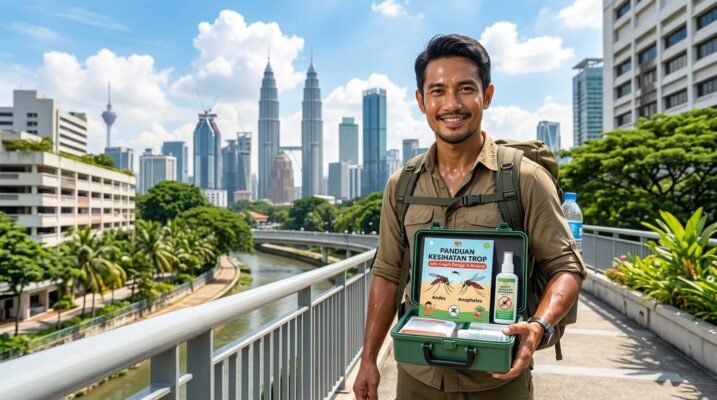
Preparing for Tropical Diseases During Emergencies | Malaysian Family Guide
Reading Time: 4 minutes
Apr
Water Purification for Tropical Climates | Safe Drinking Water Guide for Malaysia
Reading Time: 4 minutes
Apr
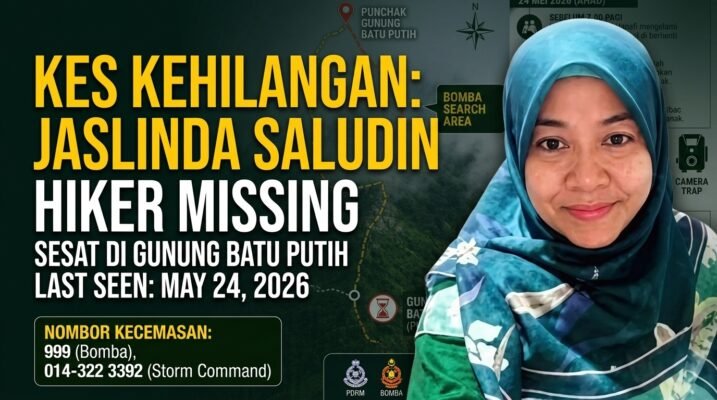
Lost in the Malaysian Jungle: Lessons from Jaslinda’s Disappearance at Gunung Batu Putih
Reading Time: 8 minutes
Jun

Nik Muhammad Hafiz: Building Malaysia’s Preparedness Movement | Preppers MY
Reading Time: 4 minutes
May
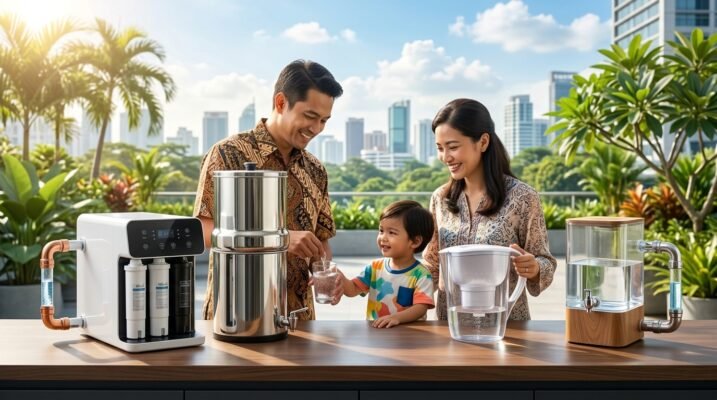
Water Filter Comparison for Malaysian Water Sources | Best Emergency Filters
Reading Time: 5 minutes
Apr
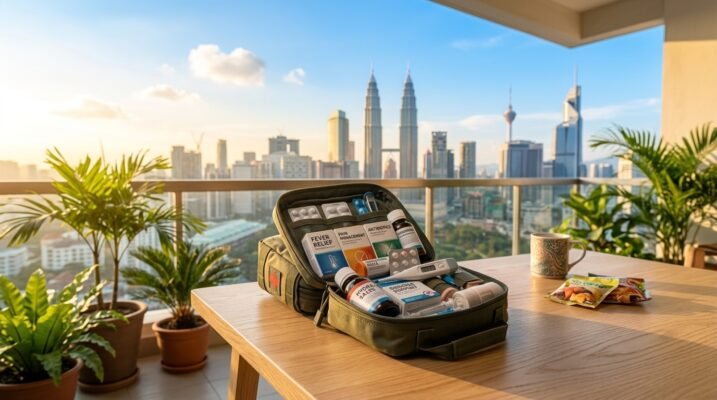
Complete Home Medical Kit for Malaysian Tropical Diseases | Emergency Preparedness
Reading Time: 5 minutes
Apr
7.8 Earthquake Strikes Southern Philippines — What Malaysian Families Must Know Right Now
Reading Time: 4 minutes
Jun

Financial Preparedness for Malaysian Families | Cash, Inflation & Currency Protection
Reading Time: 5 minutes
Apr
90-Day Preparedness Plan for Malaysian Families | Build Real Resilience
Reading Time: 3 minutes
May
She Survived 14 Days Alone in the Jungle — Jaslinda’s Miracle Has a Lesson for Every Hiker
Reading Time: 6 minutes
Jun
El Niño Is Coming Back — And This Time, It Could Be the Worst Malaysia Has Ever Seen
Reading Time: 5 minutes
May

Preparedness Through Gardening | Building Family Resilience Naturally
Reading Time: 4 minutes
Apr
Suggested Related Products