Prepping Basics
Physical Fitness for Preppers | Tropical Climate Training for Malaysian Families


 Share this Article:
Physical Fitness for Preppers: Tropical Climate Edition
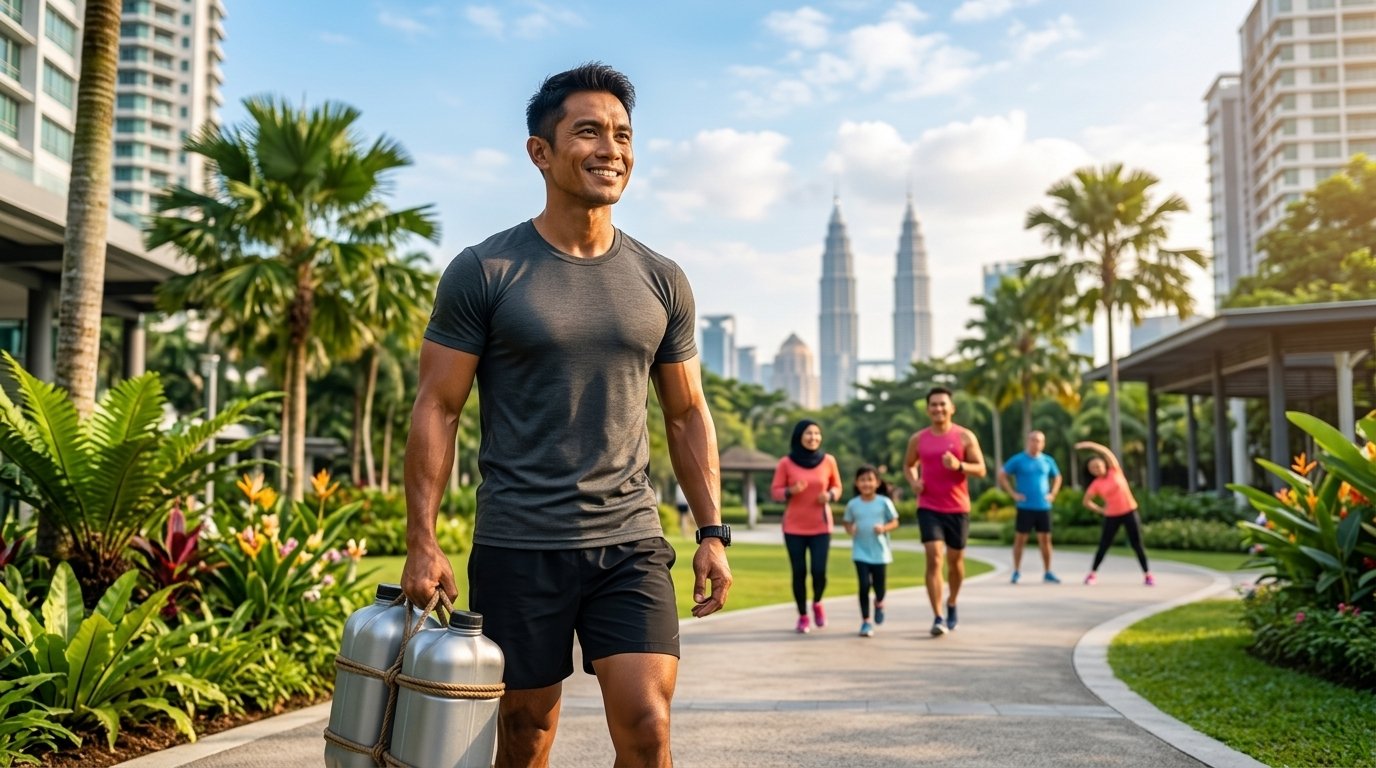
Preparedness is not only gear, storage, and checklists. In a real evacuation, your body becomes your most important survival tool. This guide helps Malaysian families train for heat, humidity, long walking, backpack carrying, hydration discipline, and practical strength.
What This Guide Covers
- Heat acclimatization for Malaysia’s tropical climate
- Hydration and electrolyte planning for hot-weather activity
- Bodyweight strength training with minimal equipment
- Endurance training for evacuation, stairs, and backpack walking
- 12-week progression plan and monthly fitness tests
Why Fitness Matters More Than You Think
Most preparedness plans focus on equipment. But in an emergency, someone may need to carry supplies, climb stairs during a blackout, walk through flooded areas, help children, move elderly relatives, or evacuate with a backpack in hot weather.
- Evacuation: Walking several kilometres with a loaded bag is difficult if you are not conditioned.
- Heat stress: Tropical heat and humidity increase dehydration and fatigue risk.
- Manual work: Clearing debris, carrying water, moving supplies, and setting shelter require strength.
- Stress resilience: Fit people often recover faster, sleep better, and make clearer decisions under pressure.
- Long-term independence: Strength, mobility, and endurance protect your family capability as you age.
Preparedness Principle: Your emergency kit helps you survive. Your fitness helps you carry it, use it, and keep moving when conditions become difficult.
Heat Acclimatization: Your First Priority
Malaysia’s heat is not just uncomfortable. It changes how your body performs. Heat acclimatization helps your body sweat more efficiently, regulate temperature better, and tolerate activity in hot conditions.
How Heat Acclimatization Works
- Week 1: Your body starts adapting to sweating and cardiovascular demand.
- Weeks 2–3: Heat tolerance improves and the same activity begins to feel easier.
- Week 4 onward: You maintain adaptation through regular exposure and sensible hydration.
Safe Acclimatization Protocol
- Start small: 10–15 minutes of brisk walking in warm conditions.
- Build gradually: Add time slowly over several weeks.
- Hydrate before training: Do not begin dehydrated.
- Avoid ego training: Heat adaptation is not about pushing until collapse.
- Use a buddy when possible: Especially during midday training or longer walks.
Stop Immediately If You Notice
- Dizziness or faintness
- Nausea or vomiting
- Confusion, unusual irritability, or poor coordination
- Severe cramps
- Chest pain, breathlessness, or abnormal heart symptoms
Hydration Optimization for Tropical Climate
In Malaysia, hydration is a training skill. You need enough fluid, but also enough electrolytes during longer activity, heavy sweating, or heat exposure.
Basic Hydration Strategy
- Drink regularly: Small amounts throughout the day beat last-minute drinking.
- Use electrolytes when needed: ORS or electrolyte drinks are useful during long activity, diarrhea, vomiting, or heavy sweating.
- Monitor urine colour: Very dark urine often suggests dehydration.
- Drink before thirst becomes severe: Thirst may lag behind fluid loss.
- Rehydrate after training: Replace fluid lost through sweat.
Fitness on Zero Budget
You do not need a gym to build emergency fitness. Bodyweight training develops practical strength that transfers directly to carrying, climbing, pushing, pulling, and getting up from the ground.
Why Bodyweight Training Works
- Functional: Pushups, squats, lunges, planks, and carries train useful movement.
- Scalable: Beginners can start with easier versions and progress gradually.
- Portable: You can train at home, outdoors, during travel, or during disruption.
- Low cost: No membership required.
Foundational Bodyweight Program
Warm-Up
- Arm circles
- Leg swings
- Bodyweight squats
- Inchworms or walkouts
- Light marching or high knees
Main Workout
Complete 2–4 rounds depending on current fitness.
- Pushups or incline pushups
- Bodyweight squats
- Plank hold
- Assisted pullups, rows, or towel rows if available
- Wall sit
- Step-ups, burpees, or mountain climbers depending on ability
Cool-Down
- Chest stretch
- Quad stretch
- Hamstring stretch
- Shoulder stretch
- Slow breathing until heart rate settles
Progression
- Week 1: Learn form and keep it easy.
- Week 2: Add a few reps or slightly longer holds.
- Week 3: Reduce rest or add one extra round.
- Week 4: Make one movement harder, not all movements at once.
Endurance Training for Evacuation Scenarios
Strength helps you lift and carry. Endurance helps you keep moving. Malaysian evacuation fitness should include walking, stairs, and loaded backpack practice.
Weekly Endurance Work
- Backpack walk: Start light and build gradually.
- Brisk walking or light jogging: Build cardiovascular base.
- Stair climbing: Especially useful for apartment dwellers during lift failure.
- Long easy walk: Once weekly, practise steady movement without rushing.
Realistic Progression
- Weeks 1–2: Walk 3–5km with a light bag.
- Weeks 3–4: Increase distance or add a little weight.
- Weeks 5–8: Build toward longer walks with moderate pack weight.
- Weeks 9–12: Test a longer walk with your actual go-bag load.
Age-Specific Training Considerations
Older Adults
- Warm up longer: Joints and muscles need more preparation.
- Reduce impact: Walking, step-ups, and resistance bands may be better than running.
- Train balance: Falls become a major evacuation risk.
- Prioritise functional tasks: Stairs, carrying groceries, getting up from the floor, and walking with a bag.
- Check with a doctor: Especially with heart disease, diabetes, blood pressure issues, or chronic pain.
Parents with Young Children
- Use micro-workouts: Ten minutes done consistently beats long workouts you skip.
- Include children: Walks, squats, and playful movement build family culture.
- Train carrying: Parents may need to carry children or child supplies during evacuation.
- Practise family walks: This reveals who tires quickly and what gear causes problems.
Complete 12-Week Training Plan
Weeks 1–4: Foundation Phase
- 2–3 bodyweight strength sessions per week
- 2 easy walks per week
- Short heat acclimatization sessions
- Hydration tracking habit
- Goal: Build consistency and safe movement patterns.
Weeks 5–8: Build Phase
- 3–4 strength sessions per week
- 1 loaded backpack walk per week
- 1 longer easy walk or stair session per week
- Progressively increase bag weight and distance
- Goal: Improve strength, stamina, and heat tolerance.
Weeks 9–12: Practical Readiness Phase
- Maintain 3 strength sessions per week
- Test your actual go-bag on a controlled walk
- Practise stairs, carrying, and family walking pace
- Monthly fitness test and recovery review
- Goal: Confirm the body can support the plan.
Testing Your Fitness
- Pushup test: Track how many controlled reps you can do.
- 1km walk time: Record your time monthly.
- Backpack walk: Track distance, load, heat, and recovery.
- Stair test: Record how many flights you can climb safely.
- Heat tolerance: Track whether you can exercise without dizziness, nausea, or excessive fatigue.
Nutrition for Training
- Before training: Light carbohydrates and some protein if needed.
- During training: Water for short sessions; electrolytes for longer or hotter sessions.
- After training: Protein, carbohydrates, and fluids help recovery.
- Daily: Eat enough to support training, especially when increasing walking distance or pack weight.
Get Your Prepper Fitness Training Program
Complete 12-week workout plan with progression, hydration tracking sheets, heat acclimatization calendar, and monthly fitness tests. Print and start training this week.
Download Free Resources
Your body is the first tool you carry.
By Dr. Preppers, your emergency preparedness guide.
Presented by Preppers MY · www.preppersmy.com
Suggested Reads
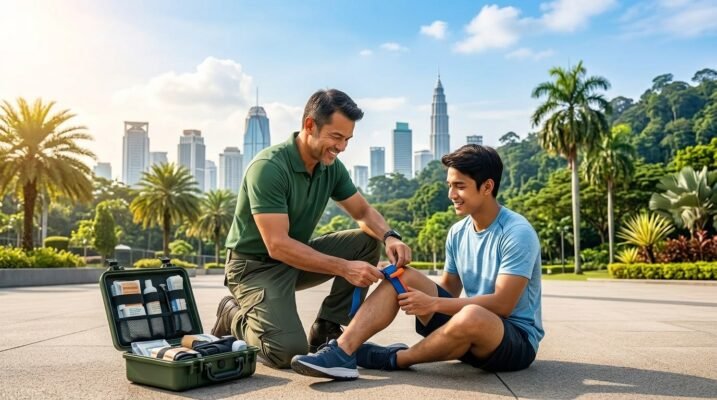
First Aid for Remote Areas in Malaysia | Austere Medicine Survival Guide
Reading Time: 5 minutes
Apr
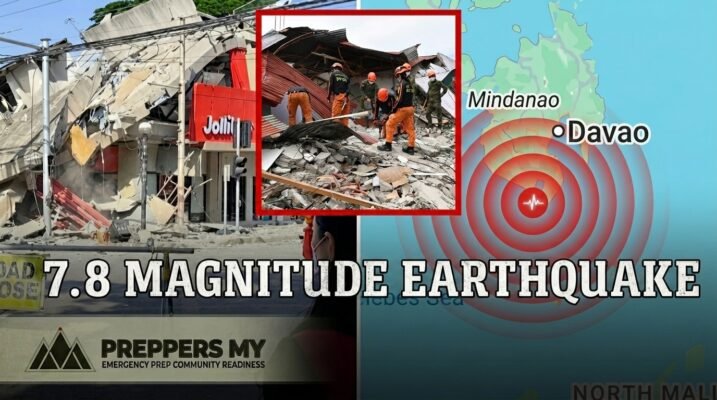
7.8 Earthquake Strikes Southern Philippines — What Malaysian Families Must Know Right Now
Reading Time: 4 minutes
Jun
Building Prepper Community in Malaysia | Resilience Through Neighbours & Local Networks
Reading Time: 5 minutes
Apr

From Viral Videos to Community Awareness | Building Preparedness in Malaysia
Reading Time: 3 minutes
May
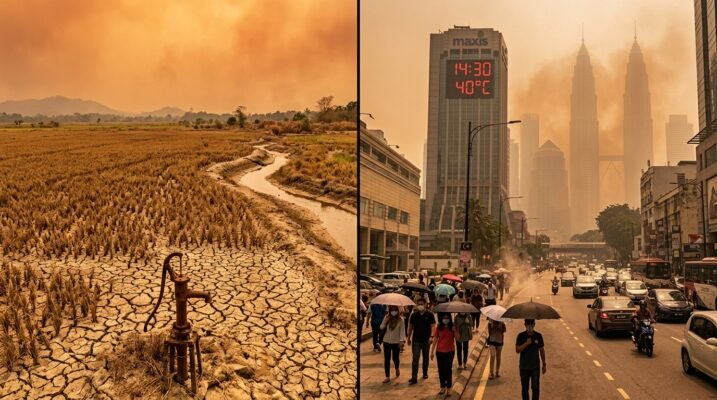
El Niño Is Coming Back — And This Time, It Could Be the Worst Malaysia Has Ever Seen
Reading Time: 5 minutes
May
Complete Home Medical Kit for Malaysian Tropical Diseases | Emergency Preparedness
Reading Time: 5 minutes
Apr
Emergency Shelter Building in Tropical Rainforest | Malaysian Jungle Survival Guide
Reading Time: 5 minutes
Apr
From Classroom to Water Independence | Building a 6-Month Water Supply in Malacca
Reading Time: 5 minutes
Apr
Car Emergency Kit for Malaysian Highways | Monsoon & Breakdown Preparedness
Reading Time: 4 minutes
Apr
90-Day Preparedness Plan for Malaysian Families | Build Real Resilience
Reading Time: 3 minutes
May
South China Sea Geopolitical Crisis | How Malaysian Families Can Prepare
Reading Time: 5 minutes
Apr

Financial Preparedness for Malaysian Families | Cash, Inflation & Currency Protection
Reading Time: 5 minutes
Apr
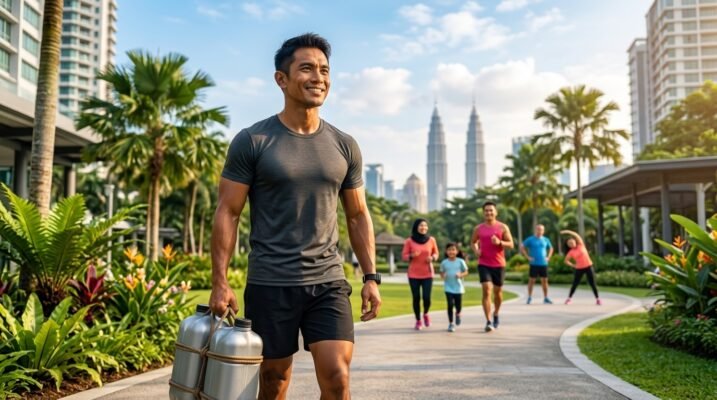
Physical Fitness for Preppers | Tropical Climate Training for Malaysian Families
Reading Time: 5 minutes
Apr

Water Filter Comparison for Malaysian Water Sources | Best Emergency Filters
Reading Time: 5 minutes
Apr
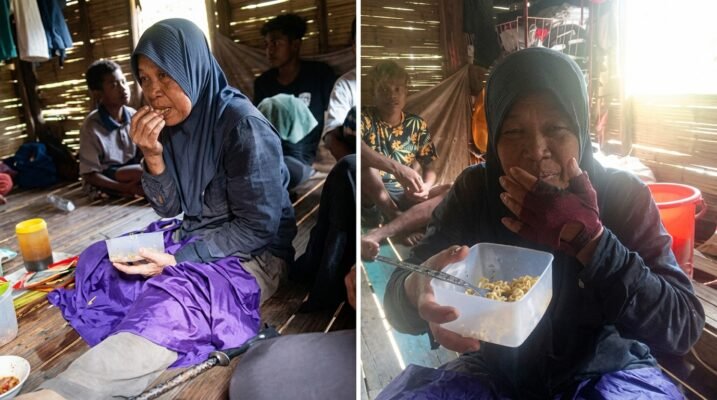
She Survived 14 Days Alone in the Jungle — Jaslinda’s Miracle Has a Lesson for Every Hiker
Reading Time: 6 minutes
Jun
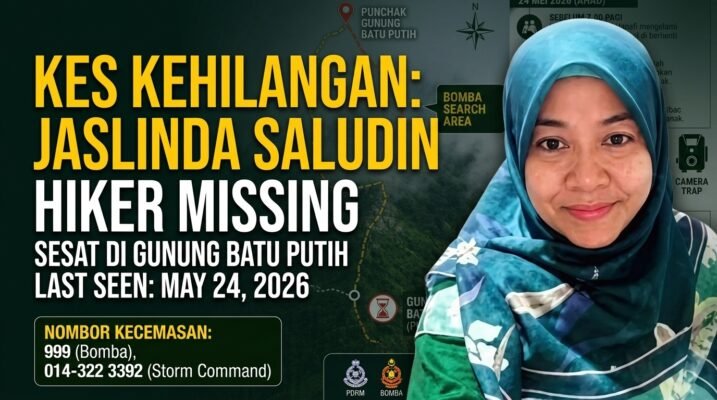
Lost in the Malaysian Jungle: Lessons from Jaslinda’s Disappearance at Gunung Batu Putih
Reading Time: 8 minutes
Jun
Emergency Lighting Guide for Malaysian Families | Blackout Preparedness
Reading Time: 5 minutes
May
Bangkok Bar Fire: What Happened, and What It Teaches Malaysian Families About Venue Safety
Reading Time: 3 minutes
Jul
Home Borewell Installation for Water Independence | Secure Your Family’s Water Supply
Reading Time: 5 minutes
Apr
Water Purification for Tropical Climates | Safe Drinking Water Guide for Malaysia
Reading Time: 4 minutes
Apr
72-Hour Bug Out Bag for Malaysian Families | Tropical-Ready Evacuation Guide
Reading Time: 6 minutes
Apr
Suggested Related Products