Emergency Scenarios
South China Sea Geopolitical Crisis | How Malaysian Families Can Prepare


 Share this Article:
South China Sea Geopolitical Crisis: How Malaysian Families Can Prepare
Tensions in the South China Sea can affect Malaysian families through supply disruptions, energy price shocks, currency pressure, and financial uncertainty. This guide explains the risks clearly and shows practical steps families can take now.
What This Guide Covers
- Why Malaysia is exposed to regional trade disruption
- Three realistic crisis scenarios for families to understand
- Financial, supply, energy, and skills-based preparation
- Practical action steps to build resilience before crisis conditions
Why Malaysia Is Vulnerable to South China Sea Crises
Many Malaysian families do not realise how much everyday life depends on global trade, regional shipping routes, energy markets, and investor confidence. When these systems remain stable, groceries appear on shelves, petrol stays available, salaries continue, and the ringgit feels reliable.
A serious disruption in the South China Sea could change that quickly. Malaysia sits close to one of the world’s most important maritime corridors. If military tensions, shipping risk, or regional uncertainty escalates, the effects may not stay limited to government headlines. They can reach households through higher prices, delayed goods, weaker currency, and pressure on jobs.
The goal is not fear. The goal is to understand exposure and build family resilience before the pressure arrives.
- Supply chain pressure: Shipping delays and higher insurance costs can raise prices for imported goods and products that rely on imported components.
- Energy price shocks: Regional conflict and shipping uncertainty can raise petrol, transport, and electricity-related costs.
- Currency stress: During market panic, the ringgit may weaken and household purchasing power can fall.
- Financial disruption: Banks, credit systems, investments, and cash access may become more restrictive during severe crises.
- Job insecurity: Businesses exposed to trade, logistics, manufacturing, tourism, or imported inputs may face sudden pressure.
Historical Reminder: Malaysia has experienced severe economic stress before, including the 1997 Asian Financial Crisis. Currency pressure, job insecurity, and rising costs are not imaginary risks. Families that prepare financially are more resilient when systems are tested.
Three Realistic Scenarios
Scenario 1: Escalating Skirmishes
Regional military confrontations increase, but without full-scale war. Shipping companies, insurers, and investors begin pricing in risk.
- Shipping insurance becomes more expensive
- Some routes become slower or more costly
- Imported goods gradually increase in price
- The ringgit may face pressure
- Businesses become more cautious with hiring and investment
Family Impact: Not an overnight collapse, but a slow squeeze: food, fuel, rent, logistics, and household expenses rise while wages may not keep up.
Scenario 2: Supply Chain Disruption
A military incident or extended tension causes shipping delays, rerouting, shortages, or temporary trade disruption. Prices rise faster and businesses struggle to absorb costs.
- Delivery times increase
- Consumer prices rise more sharply
- Businesses reduce stock or raise prices
- Inflation becomes more painful
- Household budgets are squeezed
Family Impact: Petrol, food, medicine, spare parts, and imported goods become more expensive. Families with debt, low savings, or no stored essentials feel the pressure first.
Scenario 3: Armed Conflict
A direct military conflict disrupts regional trade, investor confidence, shipping, and financial markets. Even if Malaysia is not directly involved, the economic shock can still affect households.
- Major shipping disruption
- Severe price increases
- Currency stress and investment flight
- Job losses in vulnerable industries
- Possible restrictions or delays in financial access
Family Impact: This becomes a household survival and resilience problem: cash, food, water, energy, income, and medical stability matter immediately.
How This Affects Your Family
Immediate Household Consequences
- Food prices increase: Even local food depends on fuel, fertiliser, packaging, labour, and transport.
- Energy becomes expensive: Petrol and electricity-related costs can affect commuting, business, logistics, and home expenses.
- Savings lose value: Currency depreciation reduces purchasing power, especially for imported goods.
- Employment risk rises: Trade-dependent companies may cut costs, freeze hiring, or reduce staff.
- Debt becomes heavier: If income falls while costs rise, loans, credit cards, and household commitments become harder to manage.
- Banking access may feel less flexible: During severe financial stress, liquidity and withdrawals may become a concern.
Your Preparation Strategy
1. Financial Preparedness
- Build home emergency cash: Keep practical RM cash reserves in small notes for short-term disruptions.
- Diversify savings: Consider holding some savings outside a single currency or single account, based on your risk tolerance.
- Reduce high-interest debt: Credit cards and consumer debt become dangerous during income shocks.
- Build a 6–12 month emergency fund: This gives your family time to adjust during job loss or economic disruption.
- Review insurance: Medical, income protection, disability, and family protection become more important during instability.
2. Supply Preparedness
- Store 3–6 months of staples gradually: Rice, canned food, oil, flour, oats, noodles, UHT milk, baby items, and foods your family already eats.
- Maintain water storage: Keep a practical home water reserve and filtration backup.
- Keep medicine buffers: Refill chronic medications early where possible and track expiry dates.
- Prepare cooking alternatives: Portable gas stove, fuel cartridges, and simple low-power cooking options.
- Stock essential household items: Hygiene, batteries, lighting, cleaning supplies, and repair basics.
3. Energy & Communication Preparedness
- Use power banks and solar charging: Keep phones, lights, radios, and small devices running during disruption.
- Reduce energy dependency: Efficient lights, fans, battery backups, and solar systems reduce vulnerability.
- Keep offline information: Printed contacts, maps, banking details, medical details, and family plans.
- Build communication redundancy: Walkie-talkies, radio, and family meeting points matter when networks fail.
4. Skills & Income Resilience
- Practice aggressive budgeting: Learn how to cut expenses before crisis forces you to do it suddenly.
- Develop recession-resistant skills: Healthcare, teaching, trades, repair, food production, logistics, and essential services stay valuable.
- Build backup income: Freelancing, small business, consulting, or practical side income improves resilience.
- Grow some food at home: Even small container gardening builds skill and reduces dependence.
Possible Timeline to Watch
Escalating Tension Phase: Shipping risk, insurance premiums, investor caution, and gradual price increases.
Critical Disruption Phase: Supply chains reorganise, costs rise faster, currency pressure increases, and household budgets feel the strain.
Adjustment or Recovery Phase: Either tensions reduce and systems slowly normalise, or new trade patterns become the permanent reality.
The exact timeline is uncertain. Prepared families do not need perfect predictions. They need practical buffers that work across multiple scenarios.
Specific Action Items
- Build a cash reserve: Keep small RM notes securely at home for short-term disruption.
- Review your emergency fund: Aim for 3 months first, then 6–12 months over time.
- Reduce high-interest debt: Prioritise credit cards, personal loans, and unnecessary commitments.
- Start food storage gradually: Add extra staples during normal shopping trips.
- Prepare water and filtration: Store clean water and maintain backup purification options.
- Review insurance coverage: Make sure medical and family protection are adequate.
- Prepare backup power: Power banks first, then larger solar or battery systems if budget allows.
- Keep important documents offline: Print copies and store them safely.
- Build income resilience: Improve skills, reduce dependency, and create backup earning options.
The Uncomfortable Truth
Geopolitical crises rarely announce themselves clearly. Most families only realise the seriousness when prices rise, jobs weaken, supplies delay, and cash becomes harder to access.
The families who suffer most are usually the ones who wait until everyone else is reacting. The families who do best are those who prepare quietly, gradually, and practically before pressure arrives.
The Practical Calculation: A few months of structured preparation can protect your family from years of financial stress. Preparedness is not fear-based. It is household risk management.
Don’t Wait
You do not need to predict the future perfectly. You only need to build resilience against the disruptions that are already possible: higher prices, supply delays, job insecurity, currency pressure, and energy stress.
Every ringgit saved, every debt reduced, every staple stored, every skill learned, and every backup system built gives your family more options.
Preparation is not panic. It is the calm decision to make your family harder to destabilise.
Get Your Financial Resilience Checklist
Complete guide covering cash reserves, currency diversification, precious metals, debt reduction, and household financial protection for Malaysian families.
Download Free Resources
Prepare your household before the pressure arrives.
By Dr. Preppers, your emergency preparedness guide.
Presented by Preppers MY · www.preppersmy.com
Suggested Reads


Local Food Security Starts Here | Strengthening Ipoh’s Prepping Community
Reading Time: 4 minutes
Apr
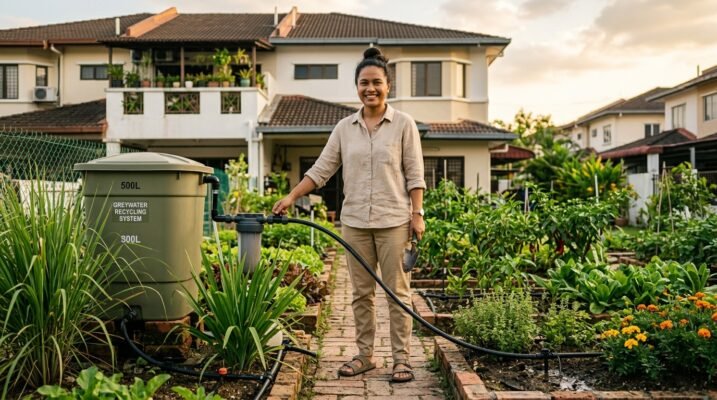
From Classroom to Water Independence | Building a 6-Month Water Supply in Malacca
Reading Time: 5 minutes
Apr

Financial Preparedness for Malaysian Families | Cash, Inflation & Currency Protection
Reading Time: 5 minutes
Apr

Home Borewell Installation for Water Independence | Secure Your Family’s Water Supply
Reading Time: 5 minutes
Apr
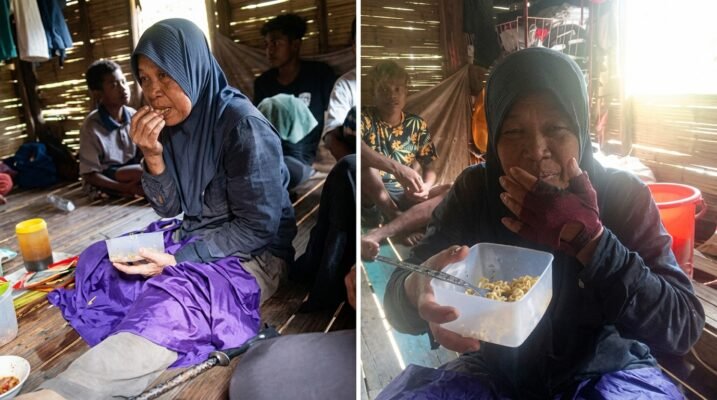
She Survived 14 Days Alone in the Jungle — Jaslinda’s Miracle Has a Lesson for Every Hiker
Reading Time: 6 minutes
Jun

Emergency Lighting Guide for Malaysian Families | Blackout Preparedness
Reading Time: 5 minutes
May

Emergency Shelter Building in Tropical Rainforest | Malaysian Jungle Survival Guide
Reading Time: 5 minutes
Apr

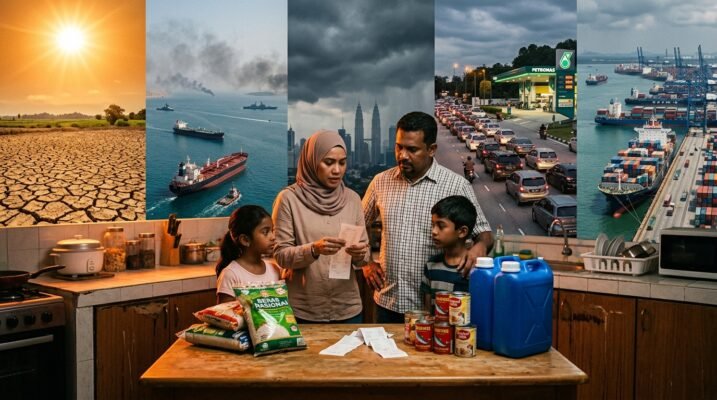
5 Economic Threats in 2026 That Could Change Your Life in Malaysia — And What to Do About It Now
Reading Time: 4 minutes
May

First Aid for Remote Areas in Malaysia | Austere Medicine Survival Guide
Reading Time: 5 minutes
Apr

Walkie-Talkie Buyer’s Guide for Malaysian Families | Emergency Communication
Reading Time: 6 minutes
Apr

Lost in the Malaysian Jungle: Lessons from Jaslinda’s Disappearance at Gunung Batu Putih
Reading Time: 8 minutes
Jun



90-Day Preparedness Plan for Malaysian Families | Build Real Resilience
Reading Time: 3 minutes
May

72-Hour Bug Out Bag for Malaysian Families | Tropical-Ready Evacuation Guide
Reading Time: 6 minutes
Apr

Home Solar Installation for Malaysian Families | Energy Independence Guide
Reading Time: 5 minutes
Apr
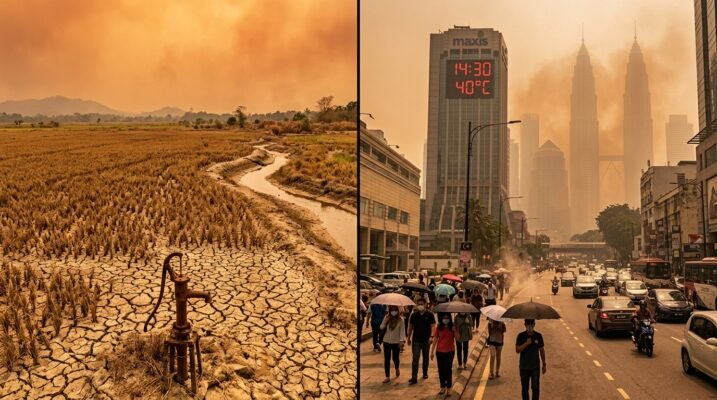
El Niño Is Coming Back — And This Time, It Could Be the Worst Malaysia Has Ever Seen
Reading Time: 5 minutes
May

From Viral Videos to Community Awareness | Building Preparedness in Malaysia
Reading Time: 3 minutes
May

Family Evacuation Plans in Urban Malaysia | Routes, Meeting Points & Communication
Reading Time: 5 minutes
Apr

South China Sea Geopolitical Crisis | How Malaysian Families Can Prepare
Reading Time: 5 minutes
Apr


Blackout Ready: Why Every Malaysian Home Needs a Portable Power Station in 2026
Reading Time: 5 minutes
May
Suggested Related Products