Prepping Basics
Months 4–6 Preparedness Plan | Strengthen Your Family’s Resilience


 Share this Article:
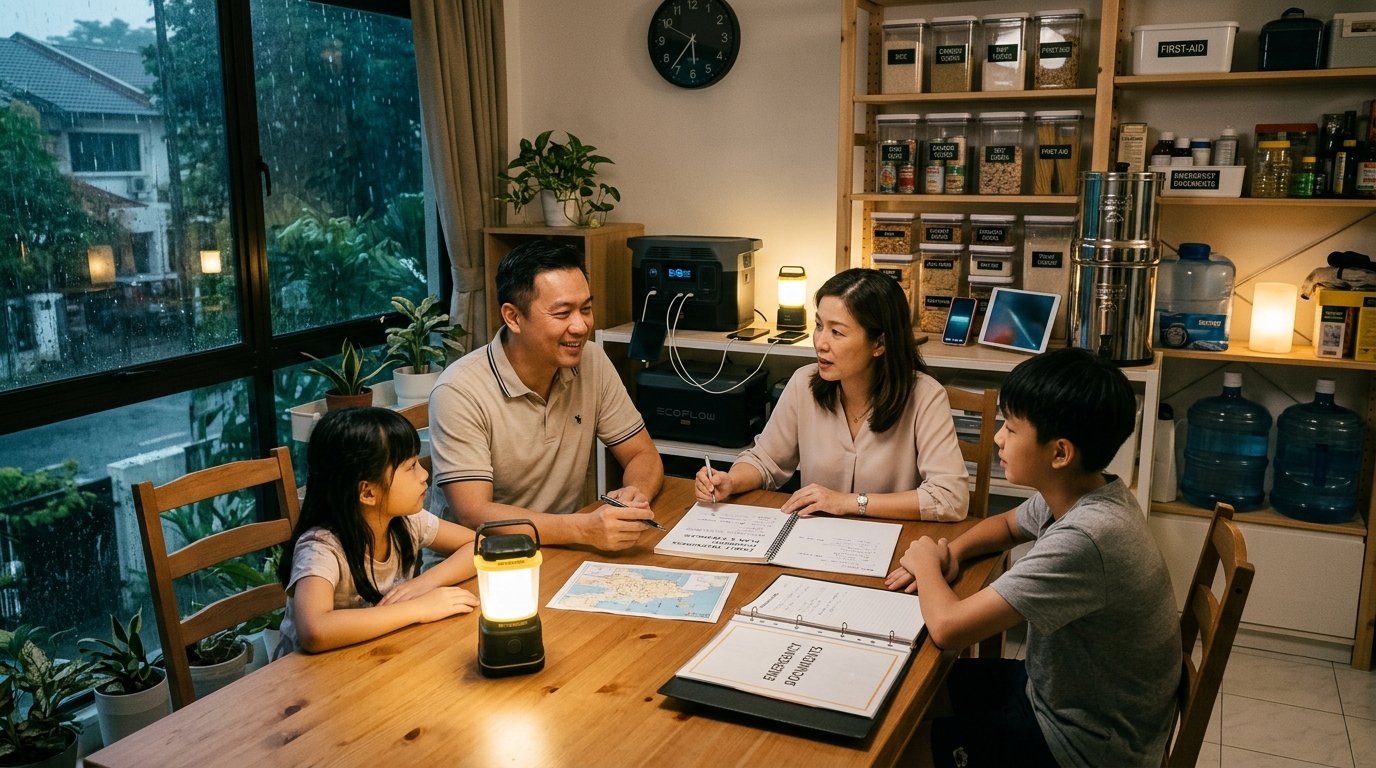
Build Deeper Household Resilience
Months 4–6 focus on strengthening your home systems with better power backup, deeper food and water storage, stronger financial preparedness, and long-term resilience planning for Malaysian families.
Start the 6-Month Plan
The goal is not perfection. The goal is building layered resilience slowly and realistically so your family becomes harder to disrupt during emergencies, economic instability, floods, or blackouts.
Your Months 4–6 Roadmap
You already built your 30-day foundation. Now it is time to strengthen your systems and improve long-term household stability.
Power & Lighting Systems
Upgrade your household backup power and emergency lighting systems.
- Build a charging station
- Upgrade power banks
- Add rechargeable lanterns
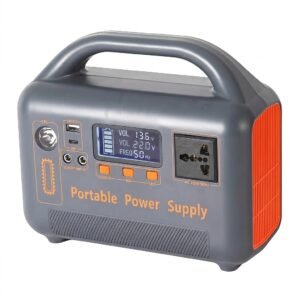
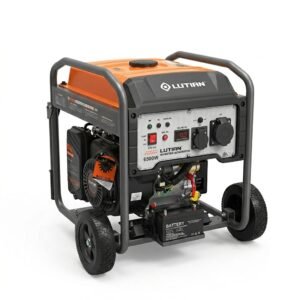
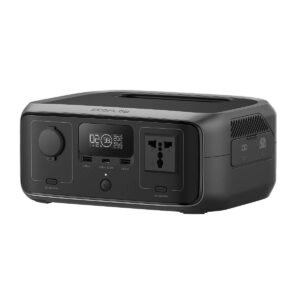
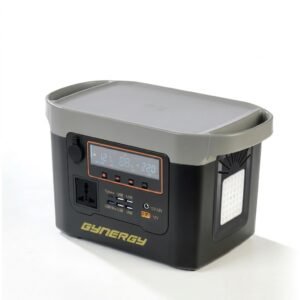
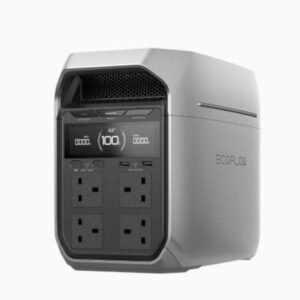
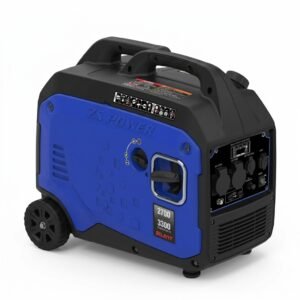
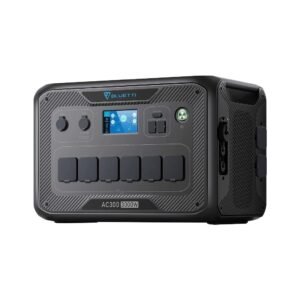
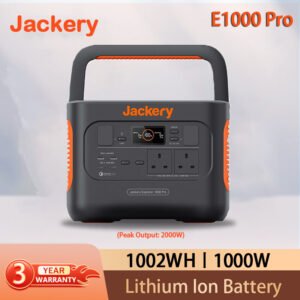
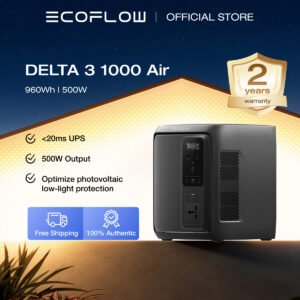
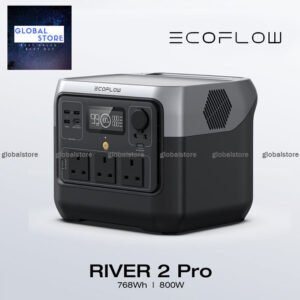
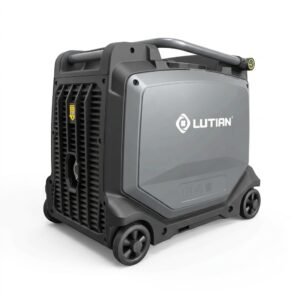
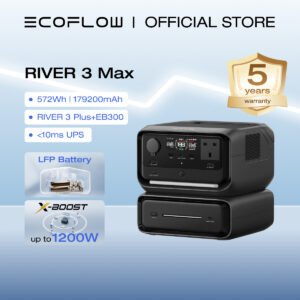
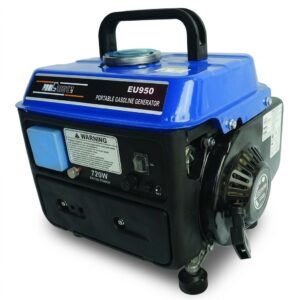
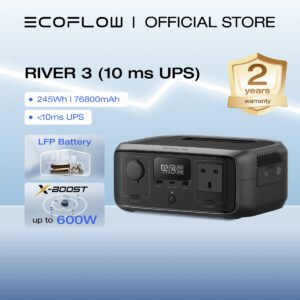
- Research portable power stations
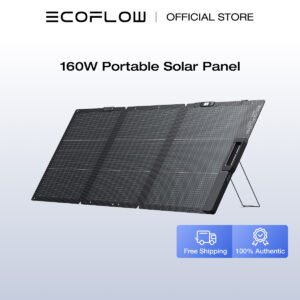
- Prepare solar charging backup
Expand Food Storage
Increase household food storage toward a realistic 3–6 month system.
- Increase rice and dry food supplies
- Rotate pantry storage monthly
- Improve food organisation
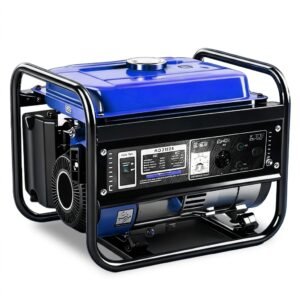
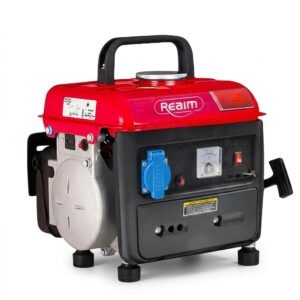
- Add cooking fuel backup
- Expand protein storage
Water & Sanitation
Improve long-term water security and household sanitation systems.
- Add larger storage containers
- Upgrade filtration capability
- Prepare backup hygiene supplies
- Improve flood preparation
- Create maintenance schedule
Financial Preparedness
Strengthen your emergency savings and financial resilience systems.
- Build emergency cash reserve
- Review insurance documents
- Create household budget tracker
- Reduce unnecessary expenses
- Store important documents securely
Upgrade Your Backup Power
By Month 4, your household should move beyond basic flashlights and phone chargers. Reliable power systems improve communication, lighting, comfort, and safety during outages.
Recommended Power Goals
- Rechargeable emergency lighting
- Backup phone charging for all adults
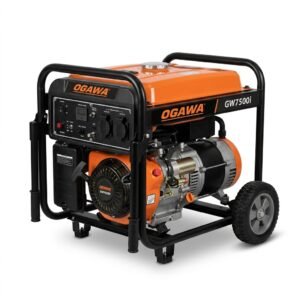
- Portable power station or solar backup
- Battery organisation system
- Charging routines during blackouts
Build a Real Food Storage System
Long-term food storage is not about panic buying. It is about building a rotating pantry filled with food your family already eats.
Core Food Storage Categories
- Rice, noodles, oats, flour
- Canned protein and dry beans
- Cooking oil and seasonings
- Coffee, tea, sugar, milk powder
- Comfort foods and snacks
- Pet food and special diet items
Strengthen Water Security
Water becomes a major issue during floods, contamination, supply disruptions, and infrastructure failures.
Water Security Priorities
- Increase storage capacity
- Prepare water purification methods
- Label and rotate storage water
- Protect containers from tropical heat
- Keep emergency sanitation supplies
Financial Preparedness Matters
Emergencies are not only physical disasters. Job loss, inflation, economic shocks, and medical emergencies affect households every year.
Financial Preparedness Checklist
- Calculate essential monthly expenses
- Build 1–3 months emergency fund
- Store RM cash at home in small notes
- Review insurance and emergency contacts
- Organise physical and digital documents
- Track preparedness purchases monthly
- Identify backup income possibilities
Monthly Household Maintenance
Preparedness systems only work when maintained regularly.
Monthly Review Checklist
- Inspect food storage and expiry dates
- Test emergency lights and batteries
- Recharge backup power systems
- Check water storage condition
- Update emergency contacts
- Review evacuation and communication plans
- Inspect medical kit supplies
Download the Months 4–6 Planner
Track your progress, organise your supplies, and build deeper resilience step-by-step using the printable preparedness planner.
Download Free Planner
Preparedness becomes powerful when your systems start supporting each other.
By Dr. Preppers, your emergency preparedness guide.
Presented by Preppers MY · www.preppersmy.com
Suggested Reads
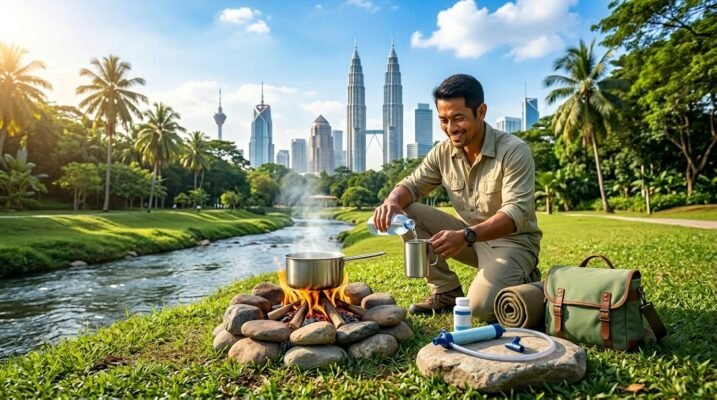
Water Purification for Tropical Climates | Safe Drinking Water Guide for Malaysia
Reading Time: 4 minutes
Apr
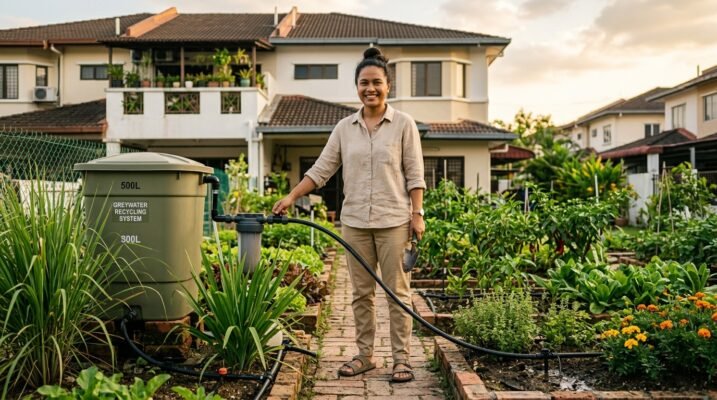
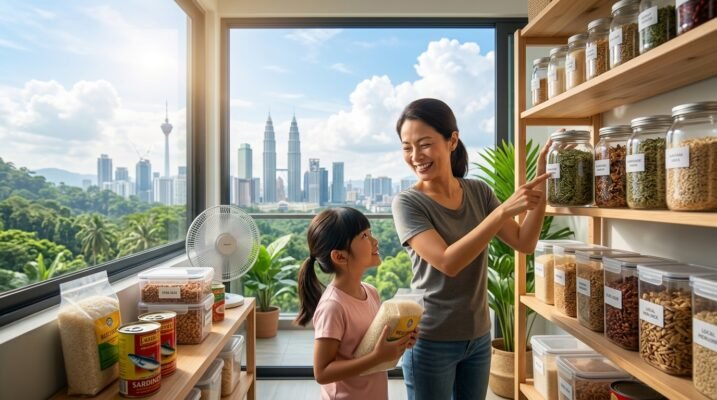
From Classroom to Water Independence | Building a 6-Month Water Supply in Malacca
Reading Time: 5 minutes
Apr

Walkie-Talkie Buyer’s Guide for Malaysian Families | Emergency Communication
Reading Time: 6 minutes
Apr
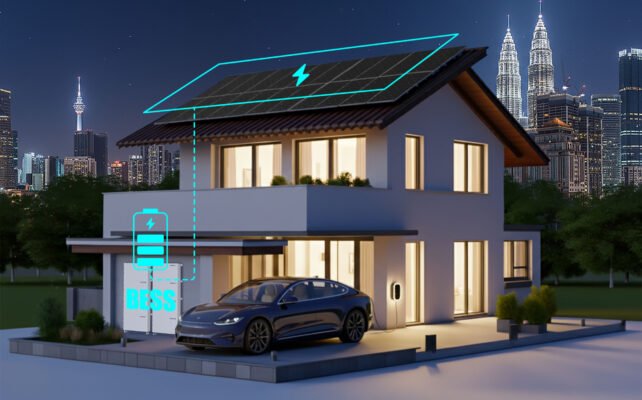
Home Solar Installation for Malaysian Families | Energy Independence Guide
Reading Time: 5 minutes
Apr
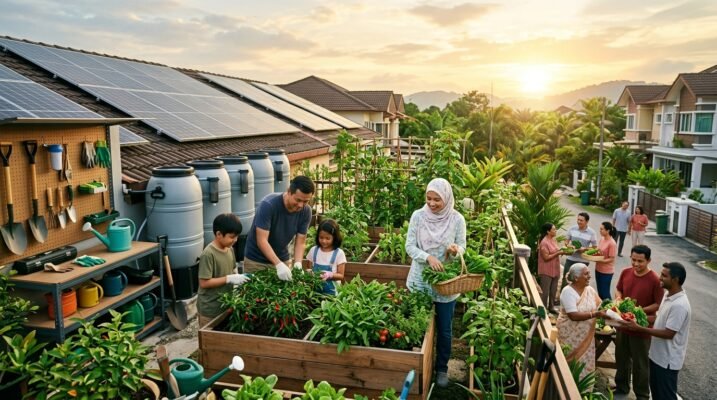
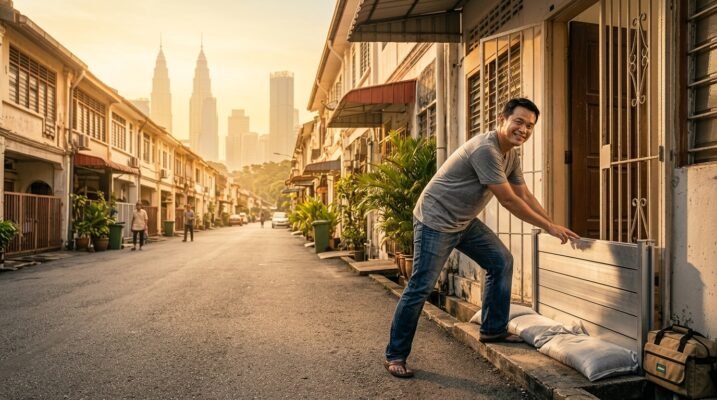
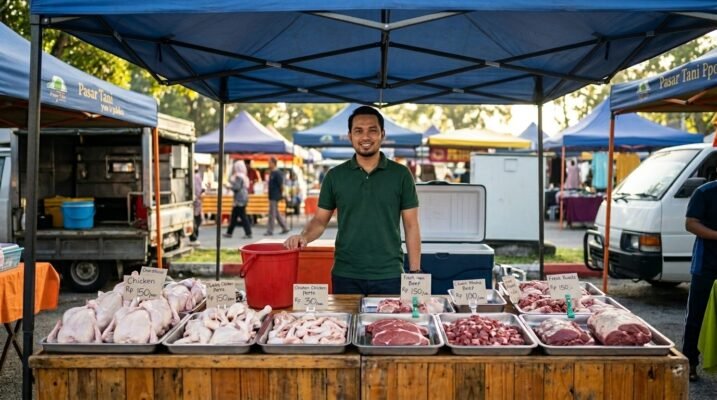
Local Food Security Starts Here | Strengthening Ipoh’s Prepping Community
Reading Time: 4 minutes
Apr
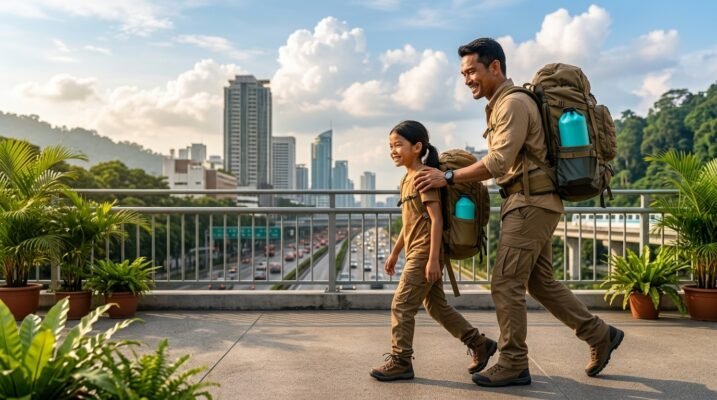
72-Hour Bug Out Bag for Malaysian Families | Tropical-Ready Evacuation Guide
Reading Time: 6 minutes
Apr

Family Evacuation Plans in Urban Malaysia | Routes, Meeting Points & Communication
Reading Time: 5 minutes
Apr

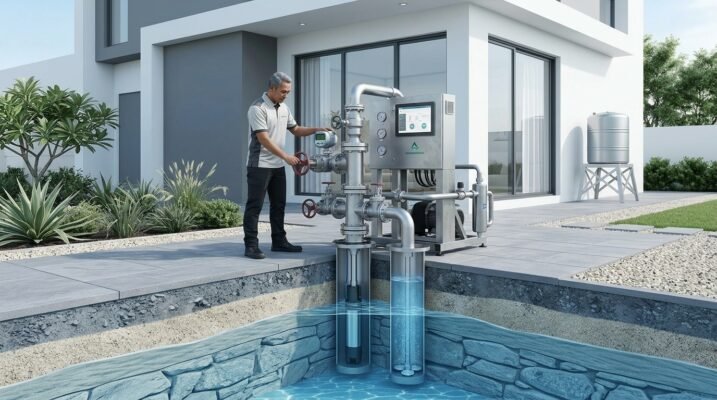
Home Borewell Installation for Water Independence | Secure Your Family’s Water Supply
Reading Time: 5 minutes
Apr
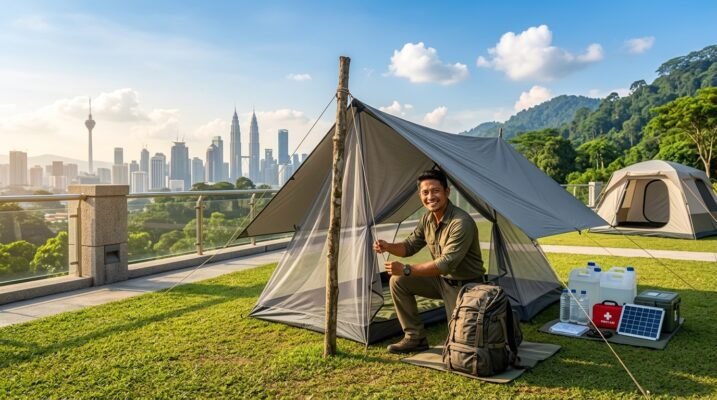
Emergency Shelter Building in Tropical Rainforest | Malaysian Jungle Survival Guide
Reading Time: 5 minutes
Apr
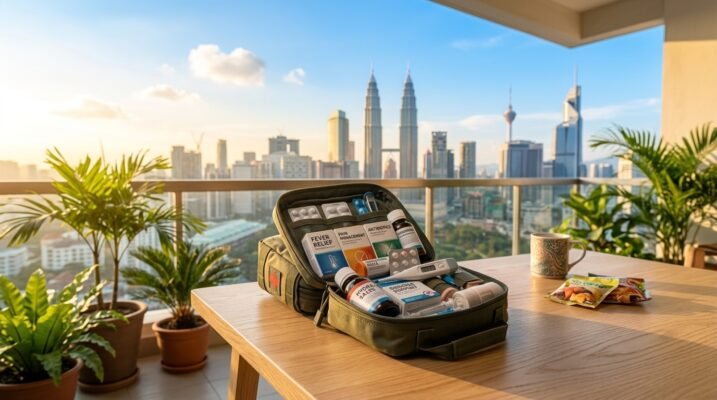
Complete Home Medical Kit for Malaysian Tropical Diseases | Emergency Preparedness
Reading Time: 5 minutes
Apr
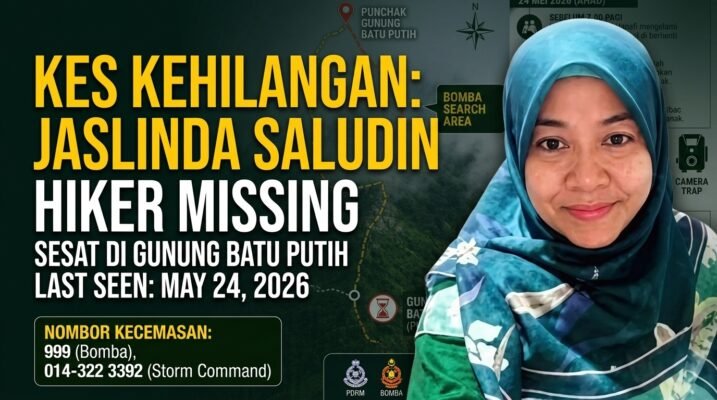
Lost in the Malaysian Jungle: Lessons from Jaslinda’s Disappearance at Gunung Batu Putih
Reading Time: 8 minutes
Jun
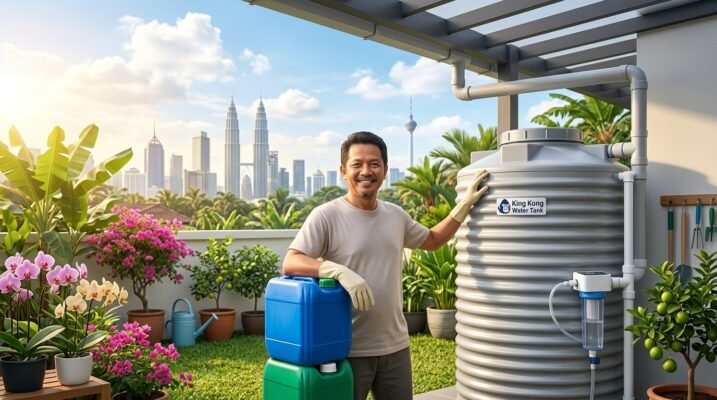
Home Water Storage in High Humidity Environments | Malaysian Water Guide
Reading Time: 5 minutes
Apr
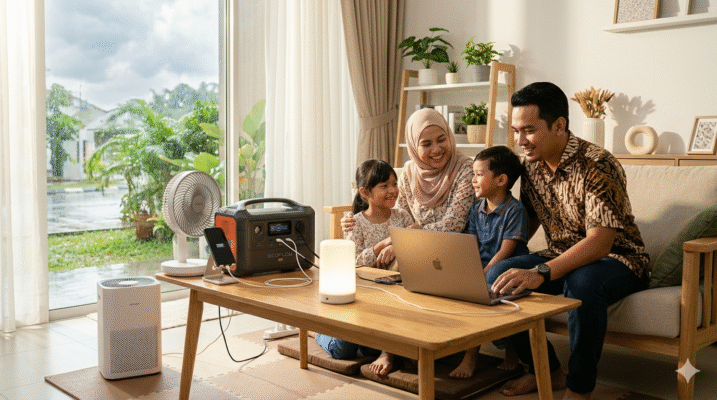
Blackout Ready: Why Every Malaysian Home Needs a Portable Power Station in 2026
Reading Time: 5 minutes
May
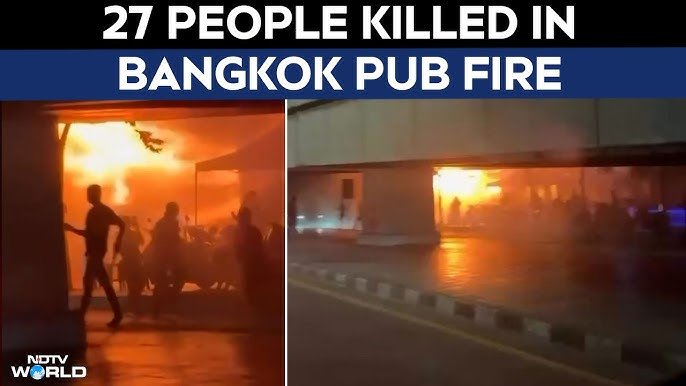
Bangkok Bar Fire: What Happened, and What It Teaches Malaysian Families About Venue Safety
Reading Time: 3 minutes
Jul

Water Filter Comparison for Malaysian Water Sources | Best Emergency Filters
Reading Time: 5 minutes
Apr
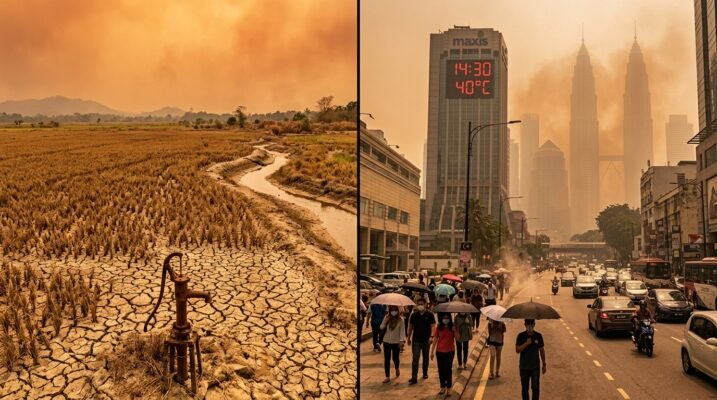
El Niño Is Coming Back — And This Time, It Could Be the Worst Malaysia Has Ever Seen
Reading Time: 5 minutes
May
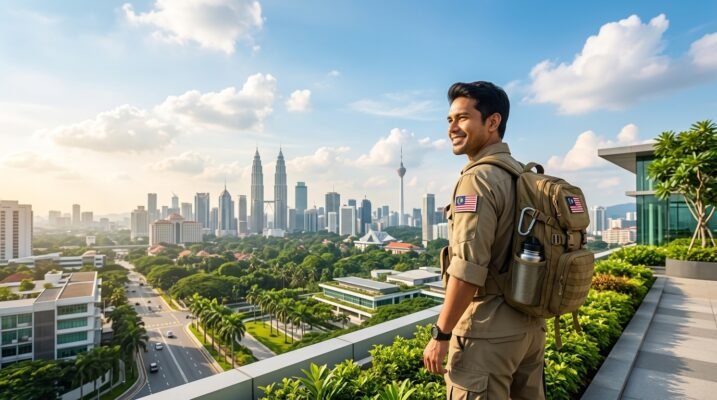
South China Sea Geopolitical Crisis | How Malaysian Families Can Prepare
Reading Time: 5 minutes
Apr
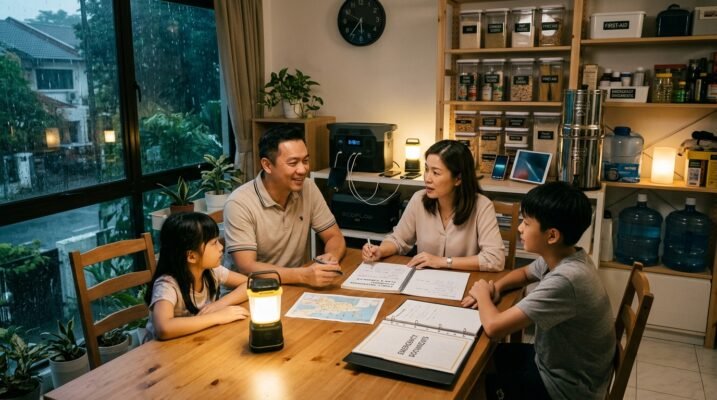
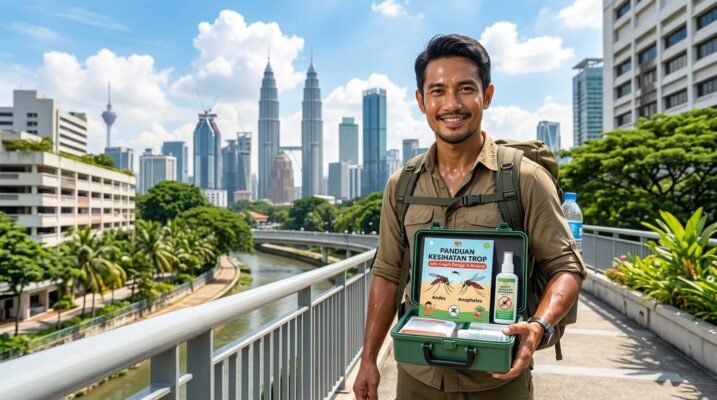
Preparing for Tropical Diseases During Emergencies | Malaysian Family Guide
Reading Time: 4 minutes
Apr
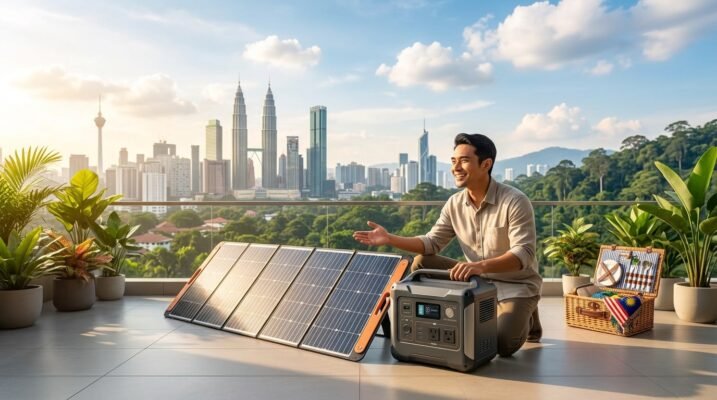
Suggested Related Products