Prepared Home
Complete Home Medical Kit for Malaysian Tropical Diseases | Emergency Preparedness


 Share this Article:
Complete Home Medical Kit for Malaysian Tropical Diseases
A standard first aid kit is not enough for Malaysia’s tropical risks. This guide helps families prepare a practical home medical kit for fever, dengue symptom support, heat illness, dehydration, diarrhea, wounds, allergies, and common emergency health needs.
What This Guide Covers
- Core medical kit sections for Malaysian households
- Fever, hydration, gastrointestinal, wound, and allergy supplies
- Tropical disease support for dengue, heat illness, and flood-related risks
- Storage, expiry tracking, and when to seek urgent medical care
Why Malaysian Homes Need a Tropical Medical Kit
Most basic first aid kits focus on cuts, scrapes, small burns, and simple bandaging. Malaysian households need to think wider because our climate and emergency risks include dengue, heat illness, dehydration, diarrhea, wound infection, insect reactions, and flood-related contamination.
A home medical kit does not replace doctors or hospitals. It gives your family the ability to respond early, monitor symptoms, support hydration, control fever safely, and manage minor problems while deciding when professional care is needed.
- Dengue symptom support and fever monitoring
- Heat exhaustion and dehydration support
- Diarrhea and vomiting support
- Wound cleaning and infection prevention
- Insect bites, allergies, rashes, and swelling
- Family-specific medicines and chronic medication buffers
Important: A home medical kit is for early support and preparedness. Severe symptoms, dengue warning signs, heatstroke, breathing difficulty, heavy bleeding, dehydration, confusion, or persistent vomiting require medical care.
Core Medical Kit Sections
- Fever and pain management
- Tropical disease symptom support
- Infection prevention and wound care
- Gastrointestinal and dehydration support
- Allergy, bites, swelling, and skin care
Section 1: Fever & Pain Management
Essential Medications
Paracetamol
Purpose: Fever reduction and pain relief. Commonly preferred when dengue is possible because NSAIDs may increase bleeding risk.
Stock: Keep adequate tablets or syrup based on family age groups.
Note: Follow label dosing carefully and avoid exceeding the maximum daily dose.
Ibuprofen
Purpose: Pain and inflammation support for selected conditions.
Warning: Avoid if dengue is suspected unless advised by a doctor. Also use caution with gastric disease, kidney disease, and certain chronic conditions.
Thermometer
Purpose: Tracks fever pattern and helps identify worsening illness.
Stock: Keep at least one digital thermometer and spare batteries if needed.
Section 2: Tropical Disease Support
Dengue Symptom Support
Dengue requires monitoring, hydration, fever control, and awareness of warning signs. There is no simple home cure, so the goal is safe support while knowing when to seek care.
Dengue Support Supplies
ORS Packets
Purpose: Supports hydration during fever, sweating, vomiting, or diarrhea.
Stock: Keep a generous supply for the whole family.
Paracetamol
Purpose: Fever support when dengue is possible.
Important: Avoid aspirin and NSAIDs if dengue is suspected unless directed by a clinician.
Fluid Tracking Sheet
Purpose: Tracks intake, urine output, fever timing, and warning signs.
Why It Matters: Written tracking helps when deciding whether to go to clinic or hospital.
Heat Illness Support
For Heat Exhaustion & Heatstroke Risk
ORS or Electrolyte Solution
Purpose: Replaces fluid and electrolytes lost through sweating.
Reusable Ice Packs
Purpose: Helps cool the body during heat exhaustion.
Use: Apply to neck, armpits, groin, or wrap in cloth before contact with skin.
Cooling Towels or Cloths
Purpose: Useful during blackout, evacuation, or outdoor heat exposure.
Section 3: Infection Prevention & Wound Care
Wound & Infection Prevention Supplies
Antiseptic Solution or Wipes
Purpose: Cleans minor wounds, cuts, and abrasions.
Antibiotic Ointment
Purpose: Helps protect suitable minor wounds after cleaning.
Antifungal Cream
Purpose: Useful for athlete’s foot, ringworm-type rashes, and humidity-related fungal problems.
Dressings, Gauze, Tape & Bandages
Purpose: Covers wounds, controls bleeding, and protects skin during healing.
Prescription Antibiotics
Important: Antibiotics should only be obtained and used with medical guidance. Store legally and label clearly.
Section 4: Gastrointestinal & Dehydration Support
For Diarrhea, Nausea, Vomiting & Food Poisoning
ORS Packets
Purpose: First-line support for dehydration from diarrhea or vomiting.
Loperamide
Purpose: May help selected non-bloody diarrhea situations.
Warning: Avoid if fever, blood in stool, severe abdominal pain, or suspected serious infection is present.
Anti-Nausea Medication
Purpose: Helps reduce vomiting when appropriate.
Note: Some options require prescription or pharmacist advice.
Activated Charcoal
Purpose: May be useful in selected food-related stomach upset situations.
Important: Do not use for serious poisoning without medical advice.
Section 5: Allergy, Bites & Skin Support
For Insect Bites, Swelling, Rashes & Allergic Reactions
Cetirizine or Loratadine
Purpose: Antihistamine support for bites, itching, hives, and mild allergic reactions.
Hydrocortisone Cream
Purpose: Helps with itching and mild inflammatory rashes.
Insect Repellent
Purpose: Prevention is better than treating bites. Keep repellent in both home kit and go-bag.
Epinephrine Auto-Injector
Purpose: For people with known severe allergies.
Important: Requires prescription and training. Use is followed by urgent hospital care.
Complete Medical Kit Inventory
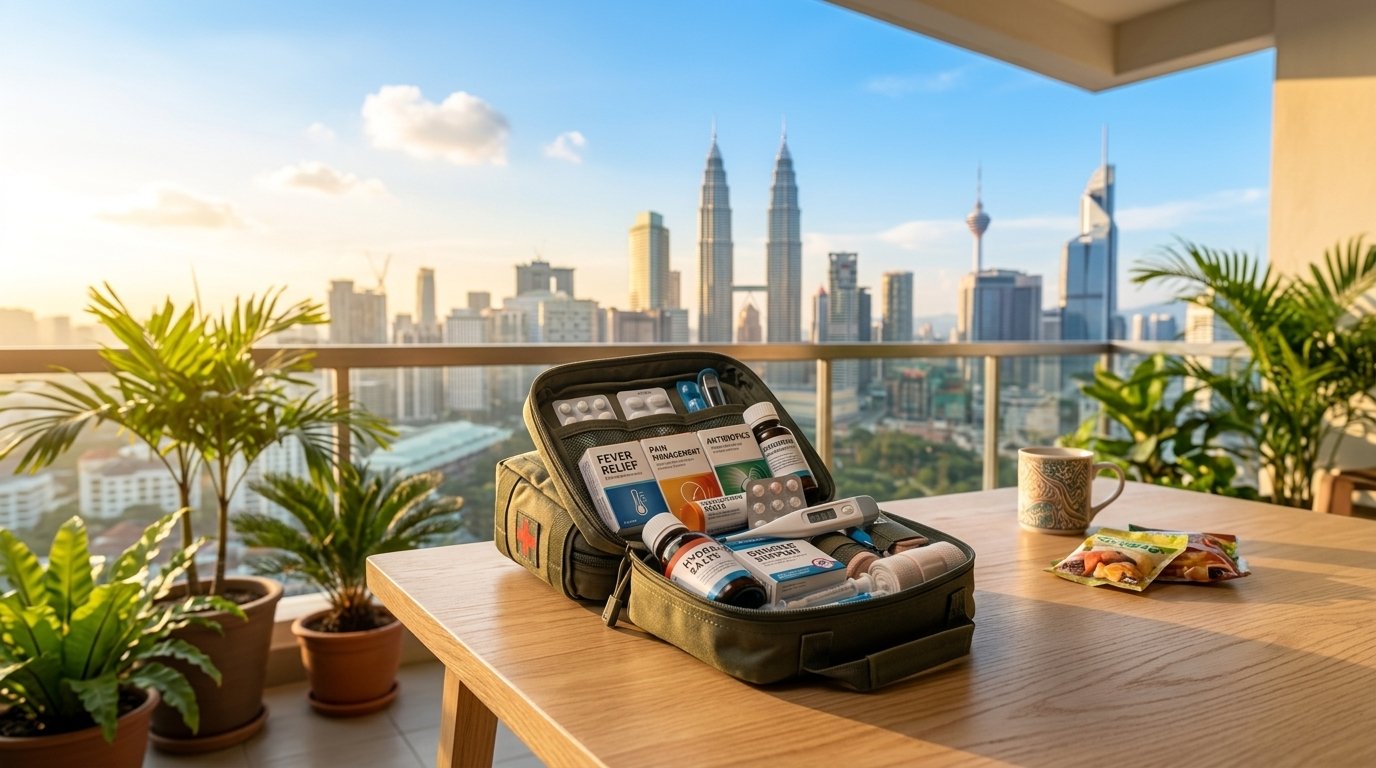
Suggested Tropical Home Medical Kit
- Paracetamol tablets and child-appropriate preparation if needed
- Ibuprofen where appropriate
- ORS packets
- Digital thermometer
- Antiseptic solution or wipes
- Antibiotic ointment
- Antifungal cream
- Hydrocortisone cream
- Antihistamines
- Loperamide where appropriate
- Anti-nausea medication where appropriate
- Reusable ice packs
- Gauze, dressings, tape, bandages, and gloves
- Honey or soothing throat support
- Family-specific prescriptions and chronic medication buffer
- Medical information card and expiry tracking sheet
Getting Prescription Medications Responsibly
Some medications require a doctor’s prescription or pharmacist supervision. Prepare responsibly and legally.
- Speak with your doctor: Explain your household risks, flood exposure, travel patterns, allergies, and chronic conditions.
- Ask for guidance: Know when each medication is appropriate and when it is not.
- Label clearly: Keep dosage instructions, expiry dates, and family restrictions visible.
- Do not share prescription medicines: What is safe for one person may be unsafe for another.
Storage & Maintenance
Where to Store the Kit
- Cool and dry: Avoid bathrooms, hot kitchens, cars, and direct sunlight.
- Accessible: Adults should reach it quickly during emergencies.
- Child-safe: Keep medicines out of children’s reach.
- Waterproof container: Protect from humidity and flooding.
Maintenance Schedule
- Monthly: Check for damaged packaging, leaks, or missing items.
- Quarterly: Test thermometer and review stock levels.
- Annually: Check all expiry dates and replace expired items.
- After use: Restock immediately so the kit stays ready.
When to Seek Hospital Care
Your home kit helps with early support. It should never delay urgent care.
- Fever with dengue warning signs
- Persistent vomiting or inability to keep fluids down
- Bleeding from gums, nose, stool, or urine
- Severe abdominal pain or severe lethargy
- Confusion, fainting, seizure, or breathing difficulty
- Heatstroke signs such as confusion, collapse, or very high body temperature
- Severe allergic reaction, facial swelling, or wheezing
- Wounds with spreading redness, pus, fever, or severe pain
Get Your Complete Medical Kit Checklist & Dosage Guide
Printable checklist with medication categories, storage instructions, expiry tracking sheet, and warning signs requiring medical attention.
Download Free Resources
Prepare the kit before the fever starts.
By Dr. Preppers, your emergency preparedness guide.
Presented by Preppers MY · www.preppersmy.com
Suggested Reads

Preparedness Through Gardening | Building Family Resilience Naturally
Reading Time: 4 minutes
Apr

From Classroom to Water Independence | Building a 6-Month Water Supply in Malacca
Reading Time: 5 minutes
Apr
7.8 Earthquake Strikes Southern Philippines — What Malaysian Families Must Know Right Now
Reading Time: 4 minutes
Jun

Home Solar Installation for Malaysian Families | Energy Independence Guide
Reading Time: 5 minutes
Apr

From Viral Videos to Community Awareness | Building Preparedness in Malaysia
Reading Time: 3 minutes
May
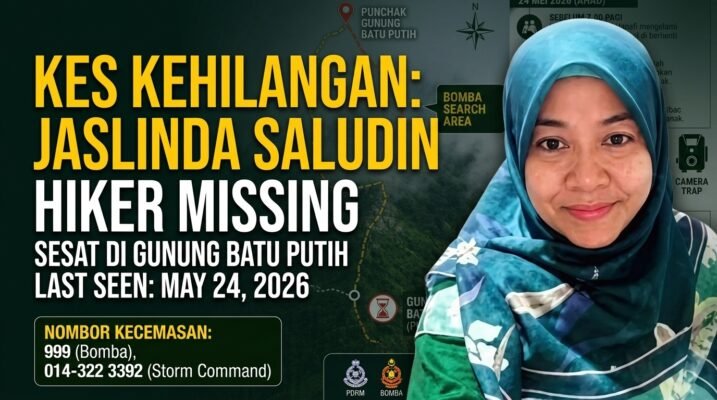
Lost in the Malaysian Jungle: Lessons from Jaslinda’s Disappearance at Gunung Batu Putih
Reading Time: 8 minutes
Jun
72-Hour Bug Out Bag for Malaysian Families | Tropical-Ready Evacuation Guide
Reading Time: 6 minutes
Apr

Family Evacuation Plans in Urban Malaysia | Routes, Meeting Points & Communication
Reading Time: 5 minutes
Apr

Physical Fitness for Preppers | Tropical Climate Training for Malaysian Families
Reading Time: 5 minutes
Apr

Preparing for Tropical Diseases During Emergencies | Malaysian Family Guide
Reading Time: 4 minutes
Apr

Local Food Security Starts Here | Strengthening Ipoh’s Prepping Community
Reading Time: 4 minutes
Apr
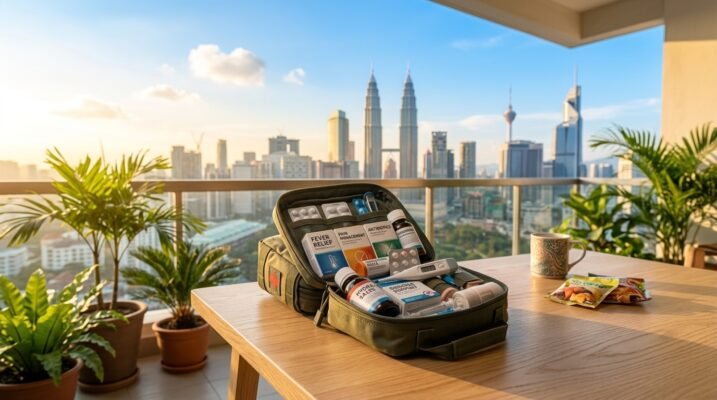
Complete Home Medical Kit for Malaysian Tropical Diseases | Emergency Preparedness
Reading Time: 5 minutes
Apr
90-Day Preparedness Plan for Malaysian Families | Build Real Resilience
Reading Time: 3 minutes
May

Blackout Ready: Why Every Malaysian Home Needs a Portable Power Station in 2026
Reading Time: 5 minutes
May

Building Prepper Community in Malaysia | Resilience Through Neighbours & Local Networks
Reading Time: 5 minutes
Apr

Water Purification for Tropical Climates | Safe Drinking Water Guide for Malaysia
Reading Time: 4 minutes
Apr
El Niño Is Coming Back — And This Time, It Could Be the Worst Malaysia Has Ever Seen
Reading Time: 5 minutes
May

Walkie-Talkie Buyer’s Guide for Malaysian Families | Emergency Communication
Reading Time: 6 minutes
Apr
South China Sea Geopolitical Crisis | How Malaysian Families Can Prepare
Reading Time: 5 minutes
Apr


Home Borewell Installation for Water Independence | Secure Your Family’s Water Supply
Reading Time: 5 minutes
Apr
Car Emergency Kit for Malaysian Highways | Monsoon & Breakdown Preparedness
Reading Time: 4 minutes
Apr
Suggested Related Products